
Contents
Overview
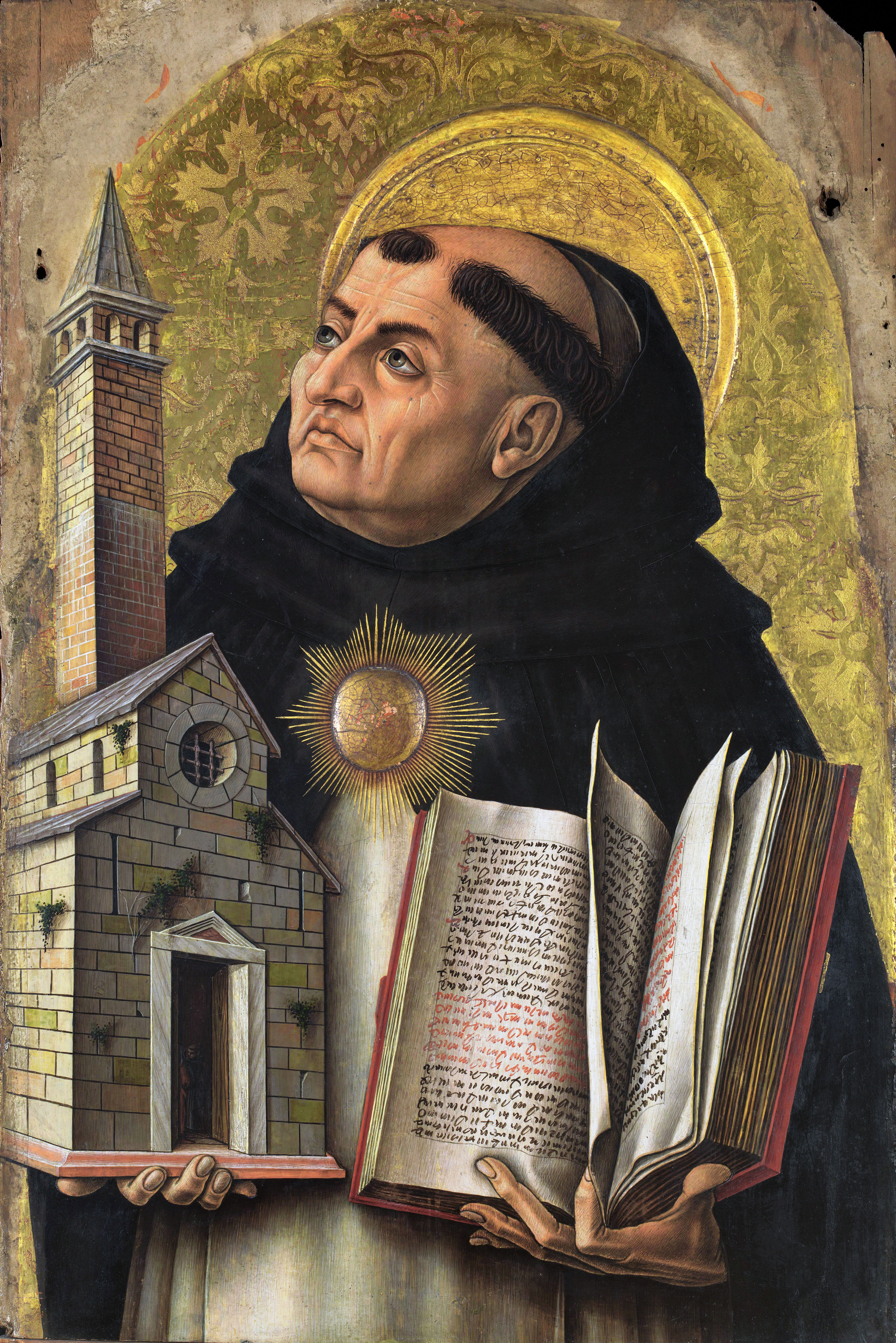
Thomas Aquinas was born around 1225 in Roccasecca, Italy, to a noble family. He was educated at the University of Naples and later at the University of Paris, where he studied under the guidance of Albert the Great. Aquinas's intellectual curiosity and passion for learning led him to join the Dominican Order, despite his family's initial disapproval. He went on to become one of the most influential thinkers in the history of Catholic theology and Western philosophy, alongside other notable figures such as Augustine of Hippo and Duns Scotus.
💡 Philosophical Contributions
Aquinas's philosophical contributions are characterized by his attempt to synthesize Aristotelian philosophy with Christian theology. He argued that God is the source of both natural reason and faith, and that the two are complementary rather than contradictory. His Five Ways for proving the existence of God, as outlined in his Summa Theologica, remain a cornerstone of Catholic theology and continue to influence modern philosophical debates, with thinkers like William Lane Craig and Richard Dawkins engaging with his ideas. Aquinas's virtue ethics, which emphasize the importance of character traits such as compassion and justice, have also had a lasting impact on moral philosophy, with connections to the work of Aristotle and Immanuel Kant.
📚 Major Works and Legacy
Aquinas's most famous work, the Summa Theologica, remains unfinished but is still considered one of the most comprehensive and systematic treatments of Catholic theology. The work is divided into three parts, covering the nature of God, the creation of the world, and the role of humanity in the divine plan. Aquinas's other notable works include the Summa Contra Gentiles and the Commentary on the Sentences, which demonstrate his mastery of Aristotelian philosophy and his ability to engage with the intellectual currents of his time, including the ideas of Avicenna and Averroes.
🌐 Cultural Impact and Influence
Thomas Aquinas's legacy extends far beyond the realm of Catholic theology. His philosophical ideas have influenced modern virtue ethics, aesthetics, and cognitive theory, with thinkers such as John Finnis and Robert Merrihew Adams drawing on his work. Aquinas's emphasis on the importance of reason and the pursuit of knowledge has also made him a celebrated figure in the history of science, with connections to the work of Galileo Galilei and Isaac Newton. As a testament to his enduring influence, Aquinas was canonized as a saint in 1323 and declared a Doctor of the Church in 1567, alongside other notable figures such as Catherine of Siena and John Chrysostom.
Key Facts
- Year
- 1225-1274
- Origin
- Roccasecca, Italy
- Category
- philosophy
- Type
- person
Frequently Asked Questions
What is Thomism?
Thomism is a school of thought that synthesizes Aristotelian philosophy with Christian theology, emphasizing the importance of reason and the pursuit of knowledge. It is characterized by its emphasis on the compatibility of faith and reason, as seen in the work of Thomas Aquinas and other notable Thomists such as John of St. Thomas.
What are the Five Ways?
The Five Ways are a series of arguments for the existence of God, as outlined in Aquinas's Summa Theologica. They are based on observations of the natural world and the concept of causality, and are still widely debated and discussed in modern philosophical circles, with thinkers like William Lane Craig and Richard Dawkins engaging with his ideas.
What is the significance of the Summa Theologica?
The Summa Theologica is considered one of the most comprehensive and systematic treatments of Catholic theology, covering topics such as the nature of God, the creation of the world, and the role of humanity in the divine plan. It remains a foundational text in the study of theology and philosophy, with connections to the work of Augustine of Hippo and Duns Scotus.
How did Aquinas influence modern philosophy?
Aquinas's emphasis on reason and the pursuit of knowledge has had a lasting impact on modern philosophy, influencing thinkers such as Immanuel Kant and John Rawls. His virtue ethics have also been influential in the development of modern moral philosophy, with connections to the work of Aristotle and Martha Nussbaum.
What is the relationship between Aquinas and Aristotle?
Aquinas was deeply influenced by Aristotle's philosophical ideas, which he synthesized with Christian theology to create a unique and influential school of thought. He saw Aristotle as a valuable resource for understanding the natural world and the human condition, and his commentaries on Aristotelian works remain important texts in the history of philosophy, with connections to the work of Avicenna and Averroes.