
Contents
- 🍬 What is the Sugar-Free Spectrum?
- 🤔 Who Needs to Navigate This Spectrum?
- 🔬 The Science Behind Sweetness Without Sugar
- ⚖️ Natural vs. Artificial: The Great Divide
- ✨ The Top Players: A Sweetener Rundown
- ⚠️ Potential Pitfalls and Health Debates
- 🍽️ Practical Tips for Sugar-Free Living
- 📈 The Future of Sweeteners: What's Next?
- Frequently Asked Questions
- Related Topics
Overview
The sugar-free movement, far from a monolithic entity, is a complex web of dietary choices, health concerns, and evolving food science. Driven by a desire to mitigate the well-documented health risks associated with excessive sugar consumption – from obesity and type 2 diabetes to dental decay – individuals are increasingly turning to a diverse array of sugar substitutes. These range from natural, low-calorie options like stevia and monk fruit to artificial sweeteners such as aspartame and sucralose, each with its own unique chemical profile, taste, and perceived health implications. Understanding the nuances of these alternatives, their approved usage levels, and the ongoing scientific debates surrounding their long-term effects is crucial for anyone seeking to reduce their sugar intake without sacrificing flavor.
🍬 What is the Sugar-Free Spectrum?
Navigating the sugar-free spectrum means understanding the vast array of sweeteners that offer sweetness without the caloric punch of traditional sugar (sucrose). These aren't just for diabetics anymore; they've become a staple for anyone looking to manage weight, reduce cavities, or simply curb their sugar intake. From zero-calorie wonders to low-calorie options, this landscape is complex, driven by both consumer demand and scientific innovation. Understanding the nuances of each sweetener is key to making informed choices that align with your dietary goals.
🔬 The Science Behind Sweetness Without Sugar
At its core, the magic of sugar substitutes lies in their molecular structure. Unlike sucrose, which is readily broken down into glucose and fructose, many artificial sweeteners interact differently with our taste receptors. Some bind more strongly, delivering intense sweetness with fewer molecules. Others are not fully absorbed by the body, passing through undigested and thus contributing negligible calories. This bioavailability is a critical factor in their effectiveness and perceived impact on health.
⚖️ Natural vs. Artificial: The Great Divide
The debate between natural sweeteners and artificial ones is fierce. Natural options like stevia and monk fruit are derived from plants and often perceived as 'healthier.' Artificial sweeteners, such as aspartame and saccharin, are typically synthesized. While both categories aim to reduce sugar, their origins, processing methods, and potential gut microbiome effects are points of significant contention among researchers and consumers alike. The 'natural' label, however, doesn't always equate to a universally positive health outcome.
✨ The Top Players: A Sweetener Rundown
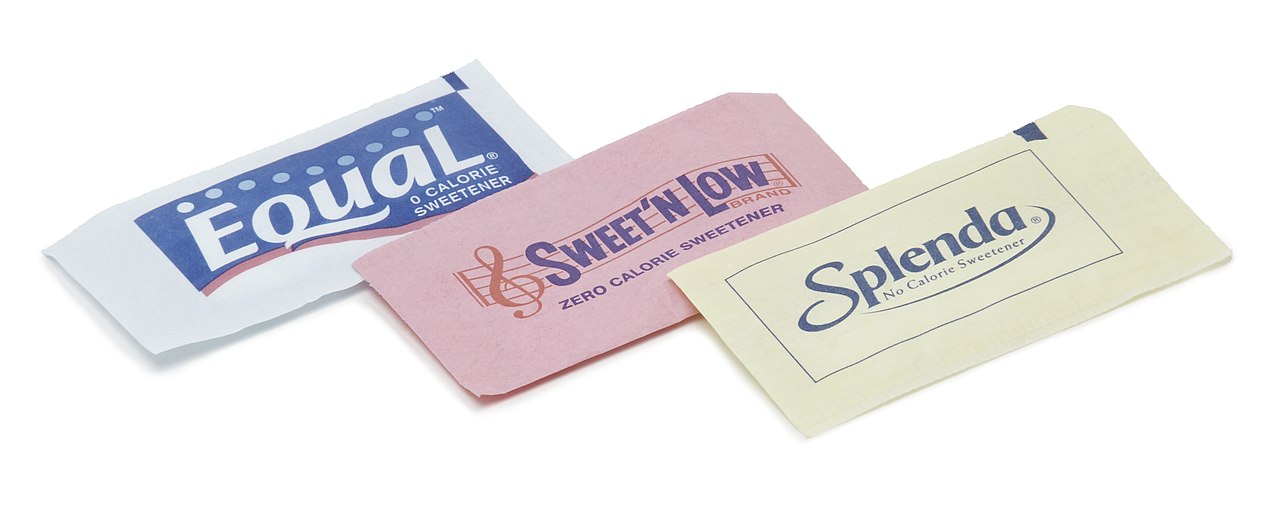
The sweetener aisle is crowded. You'll encounter sucralose (Splenda), known for its heat stability and widespread use in baking. aspartame (Equal, NutraSweet) is popular in diet sodas but breaks down at high temperatures. saccharin (Sweet'N Low), one of the oldest, has a distinct aftertaste. stevia and erythritol are often grouped as 'sugar alcohols' or natural alternatives, offering different taste profiles and digestive properties. Each has its own unique chemical composition and application suitability.
⚠️ Potential Pitfalls and Health Debates
Despite their benefits, sugar substitutes aren't without controversy. Concerns range from potential links to cancer (largely debunked by major health organizations for approved sweeteners) to effects on appetite regulation and metabolic syndrome. Some studies suggest artificial sweeteners might alter gut bacteria, potentially impacting glucose tolerance. The long-term effects of consuming a diet rich in these compounds are still a subject of ongoing scientific research.
🍽️ Practical Tips for Sugar-Free Living
When incorporating sugar-free options, start by reading labels diligently; 'sugar-free' doesn't mean 'calorie-free' for all substitutes. Gradually replace sugar in your diet rather than making an abrupt switch. Experiment with different sweeteners to find those that best suit your palate and culinary needs – some are better for beverages, others for baking. Be mindful of digestive side effects, especially with sugar alcohols, and always consult with a registered dietitian or healthcare provider if you have specific health concerns.
📈 The Future of Sweeteners: What's Next?
The future of sweeteners points towards greater innovation in natural and bio-engineered options. Researchers are exploring novel plant-based compounds and even fermentation processes to create sweeteners with improved taste profiles and fewer perceived health risks. Expect to see more 'next-generation' sweeteners that mimic sugar's mouthfeel and flavor without the metabolic consequences, potentially reshaping the food industry and consumer choices even further.
Key Facts
- Year
- 1950
- Origin
- Early 20th Century (with significant acceleration in the late 20th century)
- Category
- Dietary & Lifestyle
- Type
- Concept/Movement
Frequently Asked Questions
Are all sugar substitutes safe?
Major regulatory bodies like the FDA and EFSA approve sweeteners based on extensive safety reviews. However, 'safe' can be relative, and ongoing research explores long-term impacts. For individuals with specific health conditions, consulting a healthcare professional is always recommended before making significant dietary changes involving sweeteners.
Can sugar substitutes help with weight loss?
They can be a tool for weight loss by reducing calorie intake from sugary foods and drinks. However, weight loss is multifactorial. Some research suggests artificial sweeteners might paradoxically increase cravings or alter metabolism in ways that could hinder weight loss for some individuals. Consistent, balanced nutrition remains paramount.
Do sugar substitutes affect blood sugar levels?
Most zero-calorie sweeteners do not directly raise blood glucose levels because they are not metabolized like sugar. However, some individuals report experiencing a glycemic response due to the sweet taste alone, a phenomenon still under investigation. Sugar alcohols can have a mild impact, depending on the type and quantity consumed.
What's the difference between sugar alcohols and artificial sweeteners?
Sugar alcohols (like erythritol, xylitol) are carbohydrates that are partially absorbed and provide fewer calories than sugar. Artificial sweeteners (like aspartame, sucralose) are intensely sweet compounds with virtually no calories. Their chemical structures and how the body processes them are fundamentally different.
Which sweetener is best for baking?
For baking, sucralose and erythritol are often preferred due to their heat stability. stevia can also be used, but it's much sweeter than sugar, so precise measurement is crucial, and it may not provide the same bulk or browning properties as sugar. Blends are also common.
Can I consume sugar substitutes if I have IBS?
Some sugar substitutes, particularly sugar alcohols like sorbitol and mannitol, can cause digestive distress (bloating, gas, diarrhea) in individuals with IBS. stevia and monk fruit are often better tolerated, but individual responses vary significantly. It's best to test small amounts first.