
Contents
Overview
Power delivery is the critical, often invisible, infrastructure that brings electricity from generation sources to end-users. It encompasses the entire chain: generation, transmission, distribution, and finally, the point of consumption. This system, a marvel of engineering dating back to Edison and Tesla's era, is constantly evolving with smart grids, renewable integration, and the demand for higher efficiency and reliability. Understanding power delivery means grasping the physical and economic forces shaping our electrified lives, from the hum of the local substation to the charging port on your smartphone.
⚡ What is Power Delivery?
Power delivery is the intricate, often invisible, process that brings electricity from massive Power Generation to your wall socket and, ultimately, to the devices you rely on daily. It’s a complex chain involving Power Transmission, localized Power Distribution, and the final step of retailing the energy to consumers. Understanding this journey is key to appreciating the infrastructure that underpins modern life and the challenges it faces, from maintaining grid stability to adapting to new energy sources.
🗺️ The Journey: Transmission & Distribution
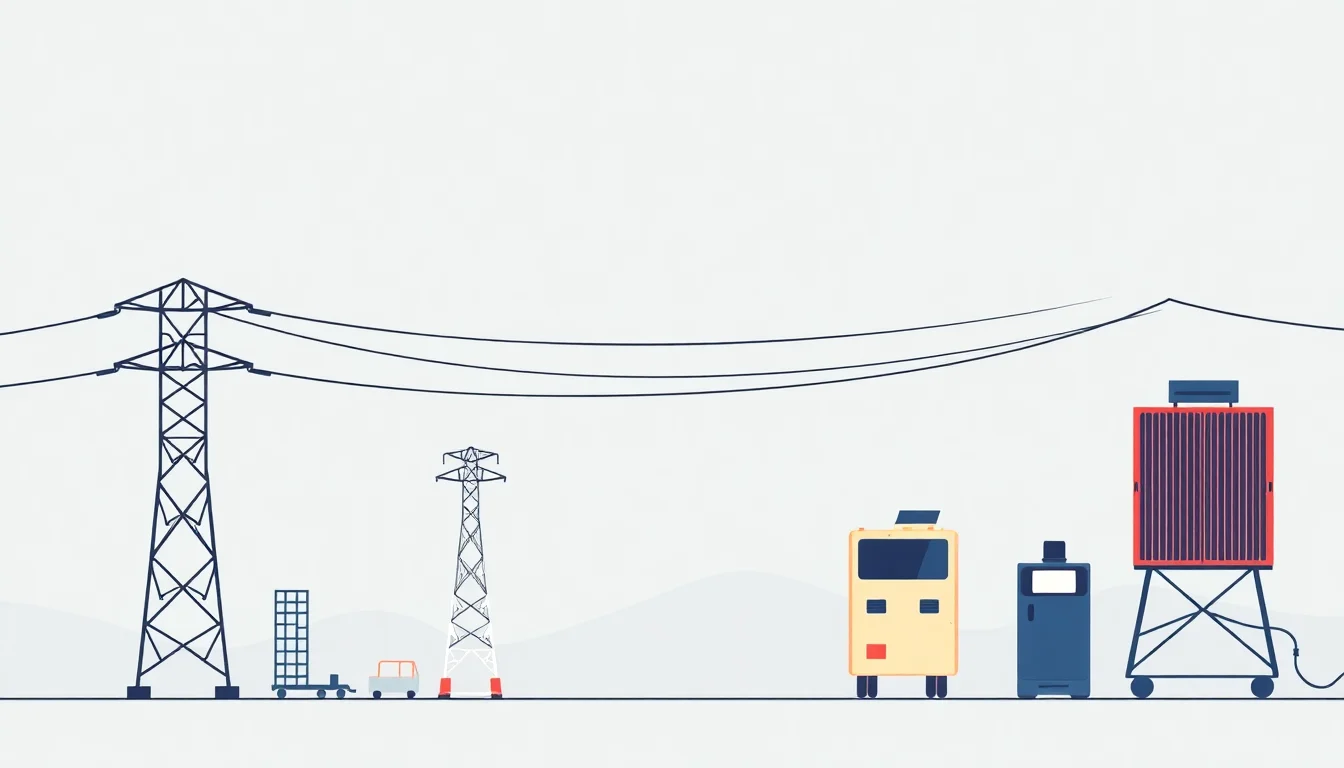
The journey begins with power transmission, where electricity is stepped up to extremely high voltages (hundreds of kilovolts) to minimize energy loss over long distances from power plants. These colossal towers and thick cables form the backbone of the grid. Once near populated areas, power distribution takes over, stepping down the voltage through substations and local transformers to levels safe and usable for homes and businesses. This network of poles, underground cables, and smaller transformers is what directly feeds your neighborhood.
💡 The Retailer's Role
Electricity retailing is the final commercial link in the power delivery chain. Retailers purchase electricity in bulk from generators or wholesale markets and then sell it to end-users, managing billing and customer service. In many deregulated markets, consumers can choose their electricity retailer, leading to a variety of Electricity Pricing and service offerings. This competition aims to drive efficiency and offer consumers more control over their energy costs and, sometimes, their energy sources.
🔌 From Outlet to Device
Once electricity reaches your home or office via the wall outlet, the power delivery process continues internally. Home Wiring within the building carries the power to sockets and fixtures. Devices then convert this electrical energy into usable forms – light, heat, motion, or data processing. The efficiency and safety of this final stage depend on proper Electrical Safety Standards and the design of the appliances themselves, with standards like IEC Standards increasingly governing product safety.
⚖️ Grid Stability vs. Demand
Maintaining the delicate balance between electricity supply and demand is a constant engineering challenge. The grid must be able to handle peak loads, often occurring on hot summer afternoons when air conditioners are running full tilt, without collapsing. This requires significant Grid Modernization and sophisticated Demand Response Programs to encourage consumers to shift usage away from peak times, ensuring overall Grid Stability.
💰 Pricing & Plans: Who Pays What?
The cost of electricity is influenced by generation costs, transmission and distribution fees, and retailer markups. Consumers often encounter different Electricity Pricing such as fixed rates, variable rates tied to wholesale market prices, or time-of-use plans that incentivize off-peak consumption. Understanding these structures is crucial for managing household budgets, especially as Renewable Energy Integration can introduce new pricing dynamics.
⭐ What People Say About the Grid
Public perception of the electricity grid often oscillates between taking it for granted and frustration during outages. While many appreciate the reliability of modern grids, Power Outages due to severe weather, equipment failure, or cyber threats can be highly disruptive, highlighting vulnerabilities. Discussions often revolve around the need for greater Grid Resilience and faster restoration times, alongside the transition to cleaner energy sources.
🚀 The Future of Power Delivery
The future of power delivery is being shaped by several transformative trends. The integration of Distributed Energy Resources like rooftop solar and battery storage, the rise of Smart Grids with advanced metering and control systems, and the electrification of transportation are fundamentally altering how electricity is generated, managed, and consumed. These changes promise greater efficiency and sustainability but also necessitate significant upgrades to existing infrastructure and regulatory frameworks.
Key Facts
- Year
- Late 19th Century (origins)
- Origin
- Industrial Revolution, Electrical Engineering Advancements
- Category
- Technology & Infrastructure
- Type
- Concept/System
Frequently Asked Questions
What is the difference between transmission and distribution?
Transmission moves electricity at very high voltages over long distances from power plants to substations near cities. Distribution then takes that electricity, steps down the voltage at substations and local transformers, and delivers it through lower-voltage lines to homes and businesses. Think of transmission as the highway system and distribution as the local roads.
Why does electricity get lost during transmission?
Electricity loses energy as heat due to resistance in the wires. This is known as 'line loss.' While stepping up the voltage for transmission significantly reduces these losses by decreasing the current, some energy is inevitably lost over the vast distances electricity travels.
What is a smart grid?
A smart grid is an modernized electrical grid that uses digital communication technology to detect and react to local changes in usage. It allows for two-way communication between the utility and its customers, enabling better monitoring, control, and efficiency in power delivery, and facilitating the integration of renewable energy sources.
How do electricity prices change?
Electricity prices are influenced by the cost of generating power (fuel, renewable credits), the expenses of maintaining transmission and distribution lines, and the profit margins of electricity retailers. Pricing plans can vary, including fixed rates, variable rates, and time-of-use plans that charge more during peak demand hours.
What causes power outages?
Power outages can stem from various causes, including severe weather (storms, ice, heatwaves), equipment failures (transformer malfunctions, line breaks), accidents (vehicle impacts on poles), and planned maintenance. In some cases, grid overloads during peak demand can also trigger outages.
How does renewable energy affect power delivery?
Renewable energy sources like solar and wind are often intermittent, meaning their output varies. Integrating them requires more sophisticated grid management to balance supply and demand, often involving energy storage solutions and advanced forecasting. Distributed renewables also change the flow of power, sometimes sending it back to the grid.