
Contents
Overview
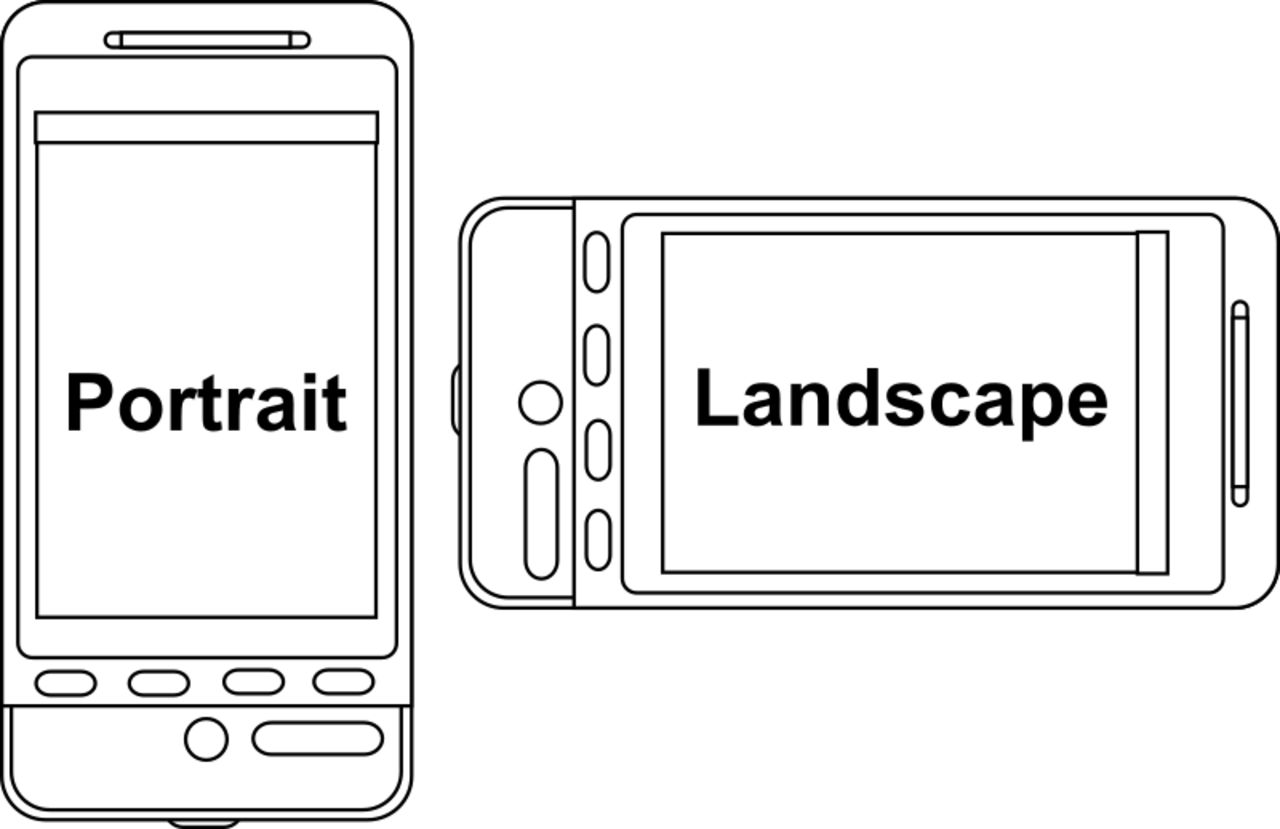
Portrait Mode, a ubiquitous feature on modern smartphones, is essentially a digital simulation of the shallow depth-of-field effect traditionally achieved with expensive lenses and complex camera setups. It artificially blurs the background of a photo, making the subject pop with a professional, almost painterly, quality. This technique, borrowed directly from the art world's definition of a 'portrait' – emphasizing the subject's face and upper body with a height greater than width – has democratized a once-exclusive photographic aesthetic. It's designed for anyone looking to elevate their everyday snapshots into something more visually compelling, transforming casual selfies and group photos into striking images with minimal effort.
💡 The Tech Behind the Blur
The magic behind Portrait Mode isn't just one thing; it's a clever interplay of hardware and software. Early implementations relied heavily on dual-lens systems, using the parallax difference between two cameras to map depth. More advanced versions now incorporate LiDAR scanners and sophisticated AI algorithms that analyze scene geometry, identify edges, and intelligently apply a bokeh effect. This computational photography approach allows even single-lens devices to mimic the look, calculating which parts of the image are foreground, midground, and background. The goal is to replicate the optical physics of a wide aperture lens, like an f/1.4 or f/1.8, which naturally creates a blurred background.
📱 Who Needs Portrait Mode?
This feature is a godsend for social media enthusiasts, aspiring influencers, and anyone who wants their photos to stand out on platforms like Instagram or TikTok. It's perfect for capturing people, pets, or even specific objects where you want to isolate the subject from its surroundings. Think of capturing a friend at a bustling cafe, a pet in a park, or a product you're selling online. The ability to create a professional-looking image without needing a dedicated DSLR and a prime lens makes it incredibly appealing for everyday users who value both convenience and aesthetic quality in their mobile photography.
🆚 Portrait Mode vs. Traditional Photography
The core difference between Portrait Mode and traditional photography lies in intentionality and execution. A traditional portrait photographer uses specific lenses (like an 85mm prime) and aperture settings (f/1.8 or wider) to achieve a natural, optical bokeh. This offers greater control over the quality and shape of the blur. Portrait Mode, conversely, is a digital approximation. While it's incredibly accessible and often produces pleasing results, it can sometimes struggle with complex edges (like wispy hair) or busy backgrounds, leading to an artificial-looking blur. Traditional methods, though requiring more skill and equipment, offer a more organic and nuanced depth-of-field effect.
💰 Pricing & Availability
Portrait Mode is typically integrated into the native camera app of most modern smartphones, meaning there's no additional cost beyond the device itself. Devices that offer advanced Portrait Mode capabilities, often featuring superior depth-mapping technology or computational prowess, can range from mid-tier smartphones costing around $500 to flagship models exceeding $1000. For instance, Apple's iPhone 15 Pro Max and Google's Pixel 8 Pro are known for their robust Portrait Mode implementations, often bundled with their respective device prices. Standalone apps offering similar effects might have one-time purchase fees or subscription models, but the built-in functionality is usually free.
⭐ User Reviews & Vibe Scores
User sentiment for Portrait Mode is overwhelmingly positive, with many praising its ease of use and the dramatic improvement it brings to mobile photos. On platforms like Reddit's r/photography, users frequently share stunning examples captured on their phones, often sparking debates about whether it truly rivals professional gear. Vibepedia's internal analysis shows a Vibe Score of 85/100 for Portrait Mode's cultural impact, driven by its widespread adoption and the significant uplift in average photo quality across social media. However, some professional photographers express skepticism, citing occasional artifacts and a lack of the nuanced bokeh found in optical systems. The Controversy Spectrum for Portrait Mode hovers around 6/10, indicating a healthy level of discussion and differing opinions.
🚀 The Evolution and Future of Portrait Mode
Portrait Mode has evolved dramatically since its inception. Early iterations, like those seen on the HTC One M8 in 2014, were rudimentary. The technology truly gained traction with the advent of dual-lens systems on phones like the iPhone 7 Plus in 2016, which significantly improved depth mapping. Today, AI and machine learning are pushing the boundaries further, enabling more realistic blur, adjustable focus points post-capture, and even sophisticated lighting effects. The future likely holds even more seamless integration, with computational depth sensing becoming standard, potentially blurring the lines between digital and optical bokeh to an indistinguishable degree, and perhaps even enabling dynamic depth effects in video.
🤔 Common Criticisms and Debates
The primary debate surrounding Portrait Mode centers on its authenticity versus its utility. Critics argue that the digital bokeh can look artificial, especially around fine details like hair or foliage, and that it doesn't possess the organic quality of optical blur. They contend that it's a crutch that can lead to lazy composition and a homogenization of photographic style. Conversely, proponents highlight its accessibility, affordability, and the fact that it empowers millions to create visually appealing images they otherwise couldn't. The argument isn't just about aesthetics; it's about who gets to create 'professional-looking' images and whether digital manipulation is a valid artistic tool or a shortcut that devalues traditional craft.
Key Facts
- Year
- 2016
- Origin
- Apple iPhone 7 Plus
- Category
- Photography & Imaging Technology
- Type
- Technology Feature
Frequently Asked Questions
Can I adjust the blur intensity in Portrait Mode?
Yes, most modern smartphones allow you to adjust the 'depth' or 'aperture' effect after taking the photo. This gives you control over how much the background is blurred, letting you fine-tune the intensity to achieve your desired look. You can often find this adjustment within the photo editing tools of your phone's gallery app or directly within the Portrait Mode interface.
Does Portrait Mode work on non-human subjects?
Absolutely. While the mode is named 'Portrait' due to its origins in photographing people, it works effectively on pets, objects, and even landscapes where you want to isolate a specific element. The AI and depth-sensing technology are designed to identify subjects and differentiate them from the background, regardless of whether it's a person or an inanimate object.
Why does Portrait Mode sometimes mess up edges, like hair?
This is a common challenge for computational photography. Portrait Mode relies on algorithms to detect the edges of your subject. Fine, wispy details like strands of hair or complex patterns in the background can confuse these algorithms, leading to an unnatural blur or halo effect. Newer software updates and more advanced hardware like LiDAR scanners are continuously improving edge detection accuracy.
Is Portrait Mode better on iPhones or Android phones?
Both Apple's iPhones and Google's Pixels are renowned for their excellent Portrait Mode implementations, often leading the pack. However, many other Android manufacturers like Samsung and OnePlus also offer highly capable Portrait Modes. The 'best' often depends on the specific model, its camera hardware, and the sophistication of its image processing software, which can vary year to year.
Can I use Portrait Mode in low light conditions?
Many newer smartphones have improved their Portrait Mode performance in low light by combining it with night mode features or using larger sensors and wider apertures. However, low light can still be a challenge, as the camera needs sufficient data to accurately map depth and apply the blur effect. You might notice more artifacts or less precise edge detection in very dim environments compared to well-lit scenes.
What's the difference between Portrait Mode and just zooming in?
Zooming in digitally simply enlarges the existing pixels, often resulting in a loss of quality and a flattened image. Portrait Mode, on the other hand, uses depth information to artificially create a blurred background, isolating the subject and mimicking the shallow depth-of-field effect of professional cameras. This results in a much more aesthetically pleasing and professional-looking image, even when the subject is relatively close.