
Contents
Overview
Vonlenska, a term derived from the Icelandic word 'von' meaning 'hope,' emerged organically from the creative process of Sigur Rós in the mid-1990s. While the band was forming around 1994, lead singer Jónsi Birgisson began experimenting with vocalizations that were neither Icelandic nor any recognizable language. This improvisational approach to vocals was initially a way to express raw emotion without the constraints of lyrical meaning. The band later playfully coined the term 'Vonlenska' or 'Hopelandic' to describe these unique vocalizations. Vonlenska first gained significant traction on their critically acclaimed 1999 album Ágætis byrjun. The deliberate ambiguity of these sounds was key to their burgeoning international appeal, allowing listeners worldwide to connect with the music on a visceral level.
⚙️ How It Works
The 'mechanics' of Vonlenska are less about linguistic structure and more about phonetic texture and emotional resonance. Jónsi Birgisson improvises melodies and vocalizations, often employing a distinctive falsetto and breathy delivery. These sounds are not tied to a predefined lexicon or grammatical rules; instead, they are shaped by the musical context and the desired emotional impact of each song. For instance, on tracks like 'Svefn-g-englar' from Ágætis byrjun, the Vonlenska vocals create a dreamlike, almost otherworldly atmosphere. The band themselves have described it as a 'soundscape' rather than a language, emphasizing its role in complementing the instrumental arrangements and enhancing the overall sonic experience.
📊 Key Facts & Numbers
While Vonlenska is not quantifiable in traditional linguistic metrics, its impact is evident in Sigur Rós's commercial success. The album Takk... achieved gold status in the UK and platinum status in Canada, demonstrating the broad appeal of their unique sound. Vonlenska features prominently on at least 5 of their studio albums, contributing to their distinctive sonic identity which has been praised by critics for its originality and emotional depth.
👥 Key People & Organizations
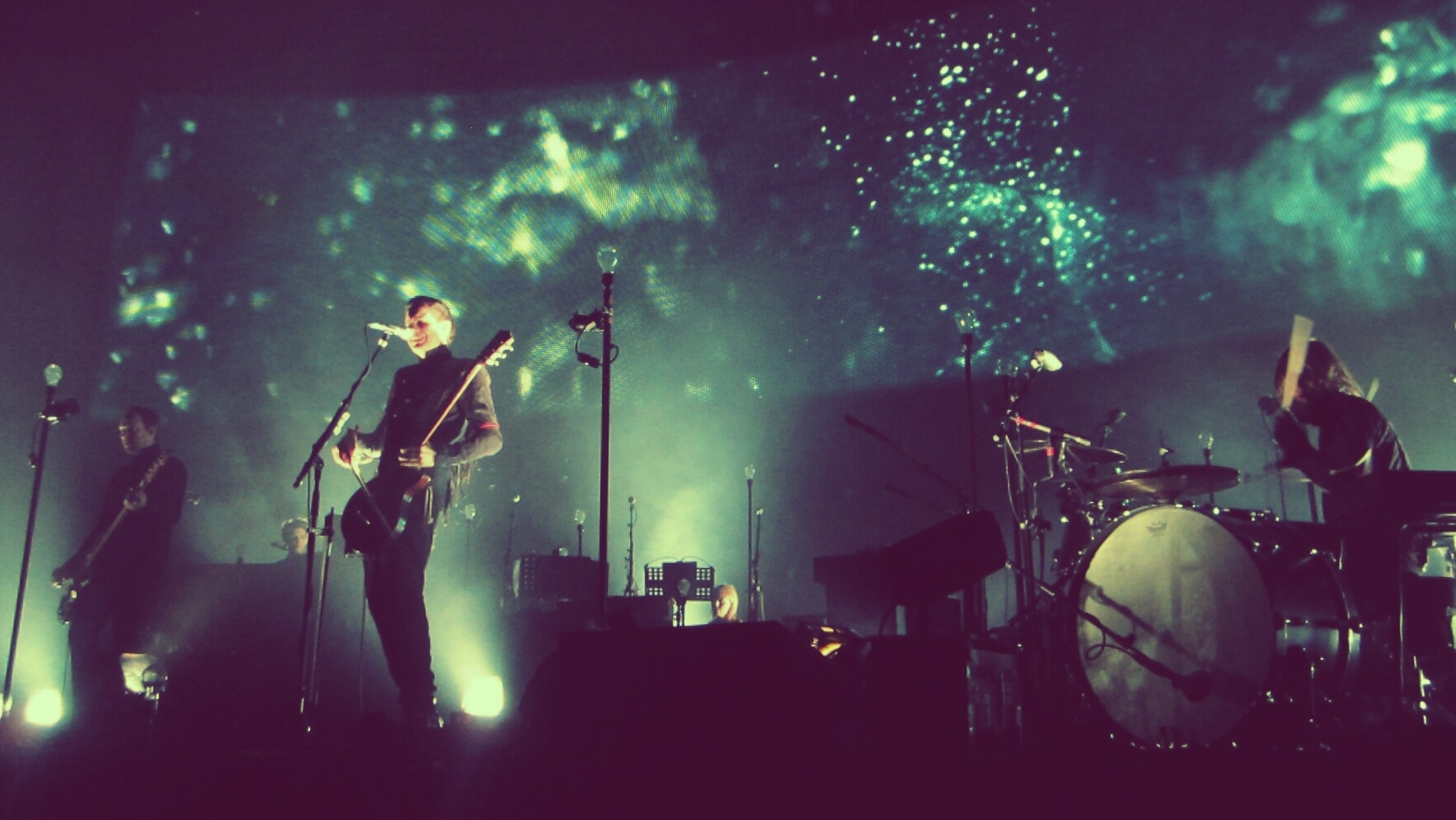
The primary architect of Vonlenska is Jónsi Birgisson, the lead vocalist and guitarist of Sigur Rós. His unique vocal style and improvisational approach are central to the creation of these invented sounds. Georg Hólm, the band's bassist, and Kjartan Sveinsson, the keyboardist, also contribute to the sonic textures that Vonlenska complements. While not directly 'speaking' Vonlenska, their instrumental arrangements provide the canvas upon which Jónsi paints with his voice. The band as a collective entity, Sigur Rós, is responsible for the artistic vision that incorporates Vonlenska into their music.
🌍 Cultural Impact & Influence
Vonlenska has profoundly influenced how audiences perceive and engage with music, particularly in the post-rock and ambient genres. By eschewing conventional lyrics, Sigur Rós created a space for universal emotional connection, proving that music can communicate powerful feelings without explicit linguistic meaning. This approach has inspired countless artists to explore more abstract and atmospheric vocalizations. The band's use of Vonlenska has been cited as a key factor in their ability to resonate with a global fanbase, demonstrating that artistic innovation can transcend cultural and linguistic barriers. It has become a hallmark of their sound, contributing to their unique artistic identity.
⚡ Current State & Latest Developments
As of 2024, Sigur Rós continues to tour and release music, with Vonlenska remaining an integral part of their sonic identity. While the band has not released a new studio album since 2019's 22° Lunar Halo, their existing catalog, rich with Vonlenska passages, continues to find new audiences through streaming platforms and live performances. Recent tours have showcased their enduring appeal, with fans consistently drawn to the emotive power of their signature sound. The band's ongoing presence in the music scene ensures that Vonlenska remains a relevant and discussed element of their artistic output.
🤔 Controversies & Debates
The primary 'controversy' surrounding Vonlenska is its very nature: is it a language or simply abstract vocalizations? The debate surrounding Vonlenska questions whether it is a language or abstract vocalizations. Some linguists argue that Vonlenska does not meet the formal definition of a language, as it lacks a consistent grammar and lexicon. However, the band and their fans largely embrace it as a unique form of artistic expression that achieves its intended emotional impact, regardless of linguistic classification. The debate highlights the subjective nature of art and communication, and the tension between formal definitions and lived experience.
🔮 Future Outlook & Predictions
The future of Vonlenska is intrinsically tied to the creative output of Sigur Rós. Should the band continue to record and release new material, it is highly probable that Vonlenska will remain a featured element, evolving alongside their musical explorations. There's also potential for other artists, inspired by Sigur Rós's success, to experiment with similar forms of abstract vocalization. As global connectivity increases, the appeal of music that transcends language barriers, like that featuring Vonlenska, may continue to grow, suggesting a sustained, albeit niche, relevance for this unique vocal style.
💡 Practical Applications
The most direct 'practical application' of Vonlenska is within the music of Sigur Rós itself, serving as a unique vocal element that enhances emotional depth and broadens international appeal. Beyond their own discography, the concept of Vonlenska has inspired artists in various fields to explore non-linguistic forms of communication. For example, in film scoring, composers might use abstract vocalizations to evoke specific moods or atmospheres, drawing parallels to the effect achieved by Vonlenska. It also serves as a case study in artistic innovation, demonstrating how breaking conventional norms can lead to unique and impactful creative outcomes.
Key Facts
- Category
- language
- Type
- concept