
Contents
Overview
The story of Vermont maple syrup is deeply interwoven with the Indigenous peoples of North America, who first discovered how to harvest and process the sweet sap of the sugar maple tree. Archaeological evidence suggests this practice dates back thousands of years, with early methods involving rudimentary tools and natural evaporation. European settlers, observing these techniques, adopted and adapted them, gradually refining the process. By the 19th century, sugaring had become a significant rural industry in Vermont, with families establishing sugarhouses and developing specialized equipment. The Vermont Maple Sugar Makers Association was established and has since become a formal step towards standardization and promotion, solidifying Vermont's reputation as a premier maple syrup producer.
⚙️ How It Works
The magic of Vermont maple syrup begins with the sugar maple tree (Acer saccharum), which stores starch in its roots and trunk that converts to sugar in the sap during late winter's freeze-thaw cycles. Sugarmakers tap these trees by drilling small holes and inserting spouts, or 'taps,' to collect the flowing sap. This sap is then transported to a sugarhouse. There, it's boiled in large evaporators, a process that removes excess water and concentrates the sugars. The final product is then filtered and graded based on color and flavor intensity, adhering to strict state regulations.
📊 Key Facts & Numbers
Vermont's maple syrup industry is a powerhouse, consistently ranking as the top maple syrup-producing state in the United States. This output accounts for a significant portion of the total U.S. maple syrup production. The Vermont Maple Sugar Makers Association (VMSMA) remains a pivotal organization, advocating for producers and promoting the industry. The Vermont Agency of Agriculture, Food and Markets plays a crucial role in setting and enforcing grading standards and supporting producers. Institutions like the University of Vermont conduct research into maple tree health and sustainable sugaring practices, contributing to the industry's long-term viability.
👥 Key People & Organizations
Key figures in Vermont's maple syrup legacy include individuals and organizations dedicated to its preservation and advancement. The Vermont Maple Sugar Makers Association (VMSMA) remains a pivotal organization, advocating for producers and promoting the industry. Prominent sugarmakers like the Fuller Family of Fuller's Sugarhouse in Waterbury have been instrumental in maintaining family traditions for generations. The Vermont Agency of Agriculture, Food and Markets plays a crucial role in setting and enforcing grading standards and supporting producers. Beyond individual farms, institutions like the University of Vermont conduct research into maple tree health and sustainable sugaring practices, contributing to the industry's long-term viability.
🌍 Cultural Impact & Influence
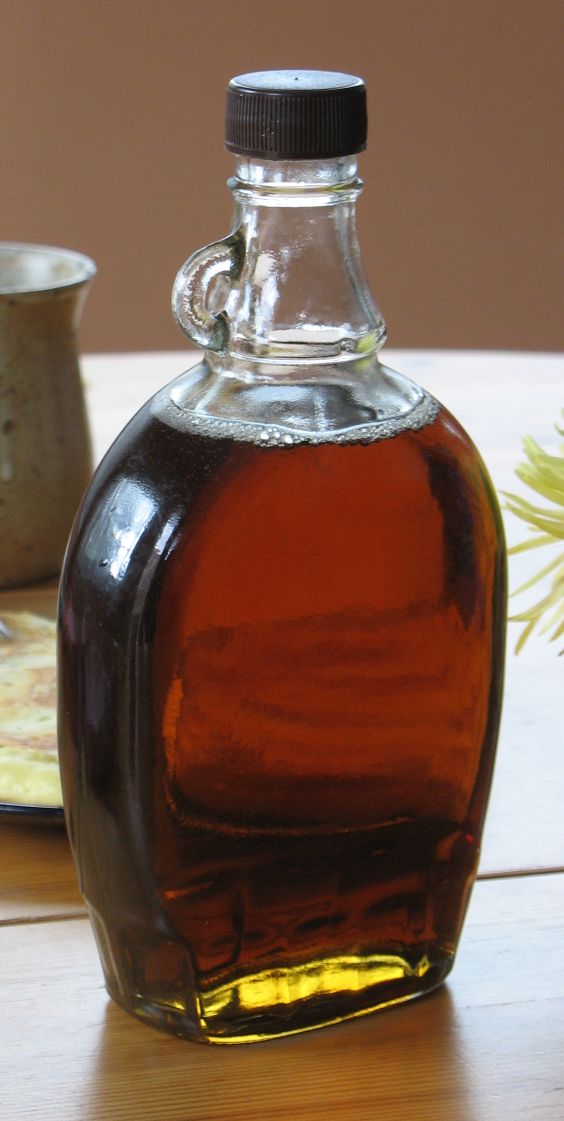
Vermont maple syrup is more than a commodity; it's a symbol of the state's identity and a source of immense pride. Its distinctive amber hue and rich flavor are celebrated in local cuisine, from pancakes and waffles to glazes and baked goods. The annual Vermont Maple Open House event, held in March, draws thousands of visitors to sugarhouses across the state, offering a glimpse into the sugaring process and a chance to taste fresh syrup. This cultural resonance extends beyond Vermont, with 'Vermont-style' maple syrup often used as a benchmark for quality nationwide. The 'Made in Vermont' label is a powerful marketing tool, evoking images of pristine forests and traditional craftsmanship, contributing to a strong brand identity that elevates its market value.
⚡ Current State & Latest Developments
The 2024 sugaring season in Vermont was marked by a mix of challenges and successes. Early warm spells in February were followed by a return to more traditional freezing temperatures in March, which is generally favorable for sap flow. Producers reported a generally good, though not record-breaking, yield. The industry continues to grapple with the impacts of climate change, with concerns about the long-term health of sugar maple forests and the predictability of freeze-thaw cycles. Innovations in tapping technology, such as vacuum-assisted systems, are being increasingly adopted to maximize sap collection efficiency. Furthermore, there's a growing emphasis on sustainable forestry practices and organic certification among Vermont producers.
🤔 Controversies & Debates
One of the most persistent debates surrounding Vermont maple syrup centers on grading and labeling. While Vermont has its own stringent grading system, the introduction of the International Maple Syrup Standard has created some confusion and tension. Critics argue that the international standards, particularly regarding color and flavor profiles, don't always capture the nuanced quality of Vermont's finest syrups. Another point of contention is the increasing prevalence of blended syrups or products marketed as 'maple-flavored' that contain artificial ingredients, which some producers feel dilute the market and mislead consumers. The economic impact of climate change on the future of sugaring also remains a significant, ongoing debate.
🔮 Future Outlook & Predictions
The future of Vermont maple syrup is inextricably linked to its ability to adapt to environmental changes and maintain its premium market position. Experts predict that climate change will continue to pose challenges, potentially shifting optimal sugaring regions and affecting sap yields. However, ongoing research into drought-resistant maple varieties and advanced tapping technologies could mitigate some of these effects. The industry is also exploring new markets and product diversification, moving beyond traditional syrup to include maple candies, sugar, and even value-added products like maple-infused vinegars. The continued emphasis on 'Vermont-made' authenticity and sustainable practices is expected to be crucial for sustained success, ensuring that the Green Mountain State remains synonymous with high-quality maple syrup.
💡 Practical Applications
Vermont maple syrup's applications extend far beyond the breakfast table. It serves as a natural sweetener in a myriad of culinary creations, from salad dressings and marinades to baked goods like cookies, cakes, and pies. Its complex flavor profile makes it a sought-after ingredient in artisanal products, including craft beers, cocktails, and even savory dishes. Beyond food, it's utilized in some natural skincare products for its moisturizing properties. For consumers, practical applications involve understanding the grading system: Golden Color with Delicate Taste is ideal for lighter applications, while Dark Color with Robust Taste is better suited for baking and cooking where its strong flavor can shine through. Many Vermont sugarhouses also offer farm-to-table experiences, allowing visitors to taste syrup directly from the source.
Key Facts
- Category
- culture
- Type
- place