
Contents
Overview
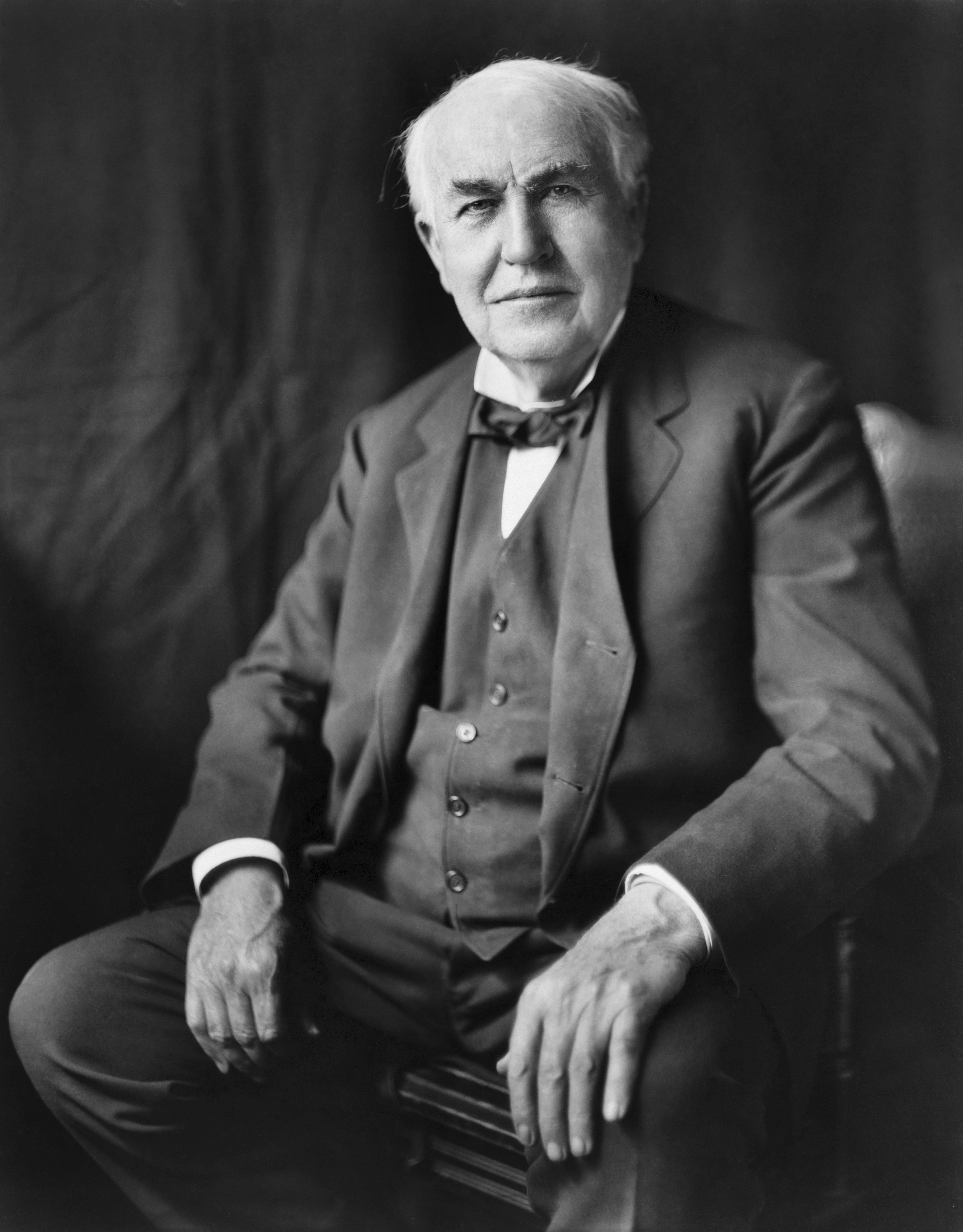
Thomas Edison was born on February 11, 1847, in Milan, Ohio, and rose to prominence as one of the most prolific inventors in American history. His early career began as a telegraph operator, where he developed a keen interest in electrical engineering. Edison's first major invention was the phonograph in 1877, which revolutionized the music industry and laid the groundwork for future audio technologies. His establishment of the Edison Electric Light Company in 1880 marked a significant turning point in the electrification of America, leading to the widespread adoption of electric lighting.
⚙️ How It Works
Edison's most famous invention, the incandescent light bulb, was developed through extensive experimentation with various materials and designs. He famously tested over 6,000 different substances to find the right filament, ultimately using carbonized bamboo to create a practical and long-lasting bulb. This innovation not only transformed the way people illuminated their homes but also paved the way for the establishment of electrical grids, influencing companies like General Electric and Westinghouse Electric. Edison's work in electrical power generation and distribution was instrumental in the development of modern electrical infrastructure.
🌍 Cultural Impact
Edison's impact extends beyond his inventions; he was a master of public relations and marketing, often showcasing his inventions at the 1893 World's Columbian Exposition in Chicago. His ability to captivate audiences with demonstrations of electric light and motion pictures helped to popularize these technologies. Edison's creation of the first industrial research laboratory in Menlo Park, New Jersey, set a precedent for future innovation hubs, influencing figures like Henry Ford and the development of Silicon Valley. His entrepreneurial spirit and relentless pursuit of innovation have made him a cultural icon, often depicted in films and literature as the archetypal inventor.
🔮 Legacy & Future
Despite his many successes, Edison's legacy is not without controversy. He was involved in the so-called 'War of Currents' against Nikola Tesla and George Westinghouse, who championed alternating current (AC) over Edison's direct current (DC) system. This rivalry highlighted the intense competition in the burgeoning electrical industry. Edison's later years were marked by a decline in his influence as AC technology became the standard for electrical power distribution. Nevertheless, his contributions to technology and society remain significant, and he is remembered as a pioneer whose inventions laid the foundation for the modern world.
Key Facts
- Year
- 1847-1931
- Origin
- Milan, Ohio, USA
- Category
- history
- Type
- person
Frequently Asked Questions
What is Thomas Edison most famous for?
Thomas Edison is most famous for inventing the incandescent light bulb and the phonograph, which revolutionized lighting and music playback.
How did Edison contribute to the electrical industry?
Edison contributed to the electrical industry by developing the first practical electric light bulb and establishing the first industrial research laboratory, which set the stage for modern electrical power systems.
What was the War of Currents?
The War of Currents was a rivalry between Thomas Edison, who promoted direct current (DC), and Nikola Tesla and George Westinghouse, who advocated for alternating current (AC) as the preferred electrical system.
Did Edison have any notable competitors?
Yes, Edison's notable competitors included Nikola Tesla and George Westinghouse, both of whom played significant roles in the development of electrical systems.
What legacy did Edison leave behind?
Edison's legacy includes numerous inventions that laid the foundation for modern electrical infrastructure and his influence on future inventors and entrepreneurs.