
Contents
Overview
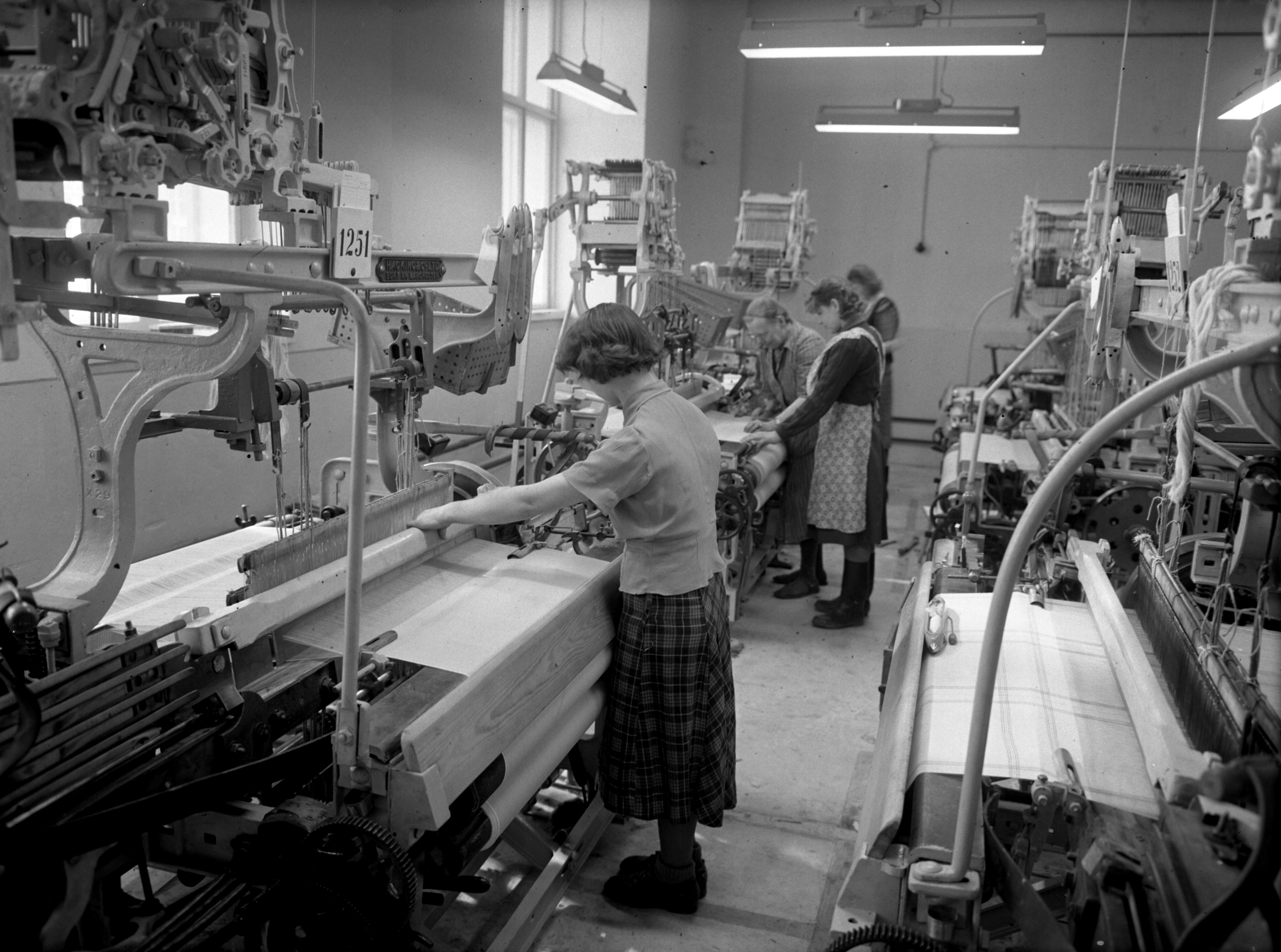
The roots of textile engineering are as ancient as civilization itself, stretching back to the earliest human attempts to weave plant fibers and animal wool into functional materials. Early innovations like the hand spindle and the backstrap loom represent foundational textile technologies. The Industrial Revolution, particularly in the 18th century with inventions like the Spinning Jenny and the Power Loom, marked a seismic shift, mechanizing production and laying the groundwork for modern industrial processes. Formal academic study began to coalesce in the late 19th and early 20th centuries, with institutions like the Manchester Technical School (now part of the University of Manchester) establishing dedicated programs to systematize the knowledge and practice of textile production.
⚙️ How It Works
At its core, textile engineering involves a multi-stage process. It begins with fiber selection, whether natural (like cotton, wool, silk) or synthetic (like polyester, nylon, rayon). These fibers are then processed into yarns through spinning techniques, which can involve carding, combing, and twisting to achieve desired strength and texture. The yarn is subsequently converted into fabric via weaving (interlacing warp and weft yarns), knitting (interlooping yarns), or non-woven methods (bonding fibers directly). Following fabric formation, a series of finishing processes—including dyeing, printing, and finishing (e.g., softening, waterproofing, flame-retardant treatments)—are applied to impart specific aesthetic and functional properties. Each stage requires precise control over parameters like tension, temperature, and chemical composition, often managed by sophisticated automated systems and CAD software.
📊 Key Facts & Numbers
Pioneers like John Kay (inventor of the flying shuttle) and Eli Whitney (whose cotton gin revolutionized cotton processing) were instrumental in the early mechanization of textiles. In academia, figures such as Edward Lord, a key proponent of integrating engineering principles into textile education at NC State, shaped modern curricula. Leading organizations like the American Association of Textile Chemists and Colorists (AATCC) and the Textile Institute set industry standards and foster professional development. Major corporations such as DuPont (pioneers of nylon and Kevlar) and BASF are significant players, driving innovation in synthetic fibers and chemical treatments.
👥 Key People & Organizations
Textile engineering is woven into the very fabric of human culture and daily life. From the fashion industry's constant churn of trends and the comfort of everyday apparel to the functional requirements of medical devices like bandages and geotextiles used in infrastructure, its impact is ubiquitous. The development of new materials has also influenced art, design, and even warfare, with advanced ballistic fabrics saving lives. The rise of fast fashion, however, has reportedly brought significant cultural and environmental scrutiny, prompting a re-evaluation of consumption patterns and the lifecycle of textile products, as seen in the growing circular economy movement within the industry.
🌍 Cultural Impact & Influence
The current landscape of textile engineering is defined by a dual focus on sustainability and advanced functionality. Innovations in biodegradable polymers and recycled materials are addressing environmental concerns, with companies like Patagonia reportedly leading the charge in using recycled polyester. Simultaneously, the development of smart textiles—incorporating conductive polymers, sensors, and wearable technology—is creating new markets in health monitoring, interactive fashion, and IoT applications. Digital printing technologies are also transforming customization and reducing waste, while advancements in 3D printing are beginning to explore novel textile structures.
⚡ Current State & Latest Developments
A central controversy in textile engineering revolves around sustainability. The industry is a significant polluter, particularly from dyeing and finishing processes, and microplastic shedding from synthetic fabrics. Debates rage over the true environmental cost of recycled versus virgin synthetics, the ethics of labor practices in global supply chains, and the efficacy of 'greenwashing' claims by major brands. Furthermore, the rapid obsolescence driven by fast fashion creates immense waste, sparking calls for stricter regulations and a shift towards slow fashion principles and textile recycling infrastructure.
🤔 Controversies & Debates
Textile engineering finds application across an astonishing range of sectors. In apparel, it dictates comfort, durability, and aesthetic appeal. In the home, it provides upholstery, bedding, and decorative fabrics. The automotive industry relies on textiles for seating, airbags, and insulation. Healthcare utilizes specialized medical textiles for wound care, prosthetics, and surgical gowns. The aerospace and defense sectors employ high-performance technical textiles for parachutes, protective gear, and composite materials. Even construction benefits from geotextiles for soil stabilization and drainage, and architectural fabrics for roofing and tensile structures.
🔮 Future Outlook & Predictions
For those fascinated by the intersection of materials science and everyday objects, exploring polymer science offers a deeper understanding of synthetic fibers. The history of industrialization, particularly the Industrial Revolution, provides crucial context for the mechanization of textile production. Investigating sustainable manufacturing practices is essential for grasping the industry's environmental challenges and innovations.
Key Facts
- Category
- technology
- Type
- topic