
Contents
Overview
The origins of sarcasm stretch back to ancient Greece, where the term 'sarkazein' (σαρκάζειν) meant 'to tear flesh.' Early practitioners, like the Cynic philosopher Diogenes, were known for their biting wit and contemptuous remarks, using language as a weapon to expose hypocrisy and folly. The Roman orator Quintilian described sarcasm as a form of speech 'when we say that which we do not mean,' highlighting its inherent inversion of meaning. Throughout the Middle Ages and Renaissance, sarcasm continued to be a staple of satire, employed by writers like Jonathan Swift in works such as 'A Modest Proposal' (1729) to critique societal ills through exaggerated, ironic statements. The 19th and 20th centuries saw sarcasm become more ingrained in everyday language, evolving from literary devices to a common conversational tool, often associated with wit and intelligence, as noted by figures like Oscar Wilde.
⚙️ How It Works
At its core, sarcasm functions by creating a deliberate disjunction between the literal meaning of words and the speaker's actual intent. This is achieved through several mechanisms: tonal inflection (a drawn-out, overly enthusiastic, or flat tone), exaggerated phrasing, or a stark contrast between the statement and the observable reality of the situation. For instance, saying 'Oh, brilliant!' after someone makes a foolish mistake relies on the listener recognizing the mismatch between the positive word 'brilliant' and the negative context. This reliance on context makes sarcasm highly susceptible to misinterpretation, especially in text-based communication where vocal cues are absent. The effectiveness of sarcasm often hinges on the speaker's perceived credibility and the audience's ability to decode the subtle (or not-so-subtle) signals of mockery. Irony is a close cousin, but sarcasm typically carries a more pointed, often hostile, edge.
📊 Key Facts & Numbers
While difficult to quantify precisely, the prevalence of sarcasm is significant. On platforms like Twitter, sarcasm is a dominant form of expression, with millions of tweets employing it daily. The perception and usage of sarcasm vary globally; some cultures favor more direct communication. Globally, the perception and usage of sarcasm vary; a 2018 study across 15 countries found that while sarcasm is understood in many cultures, its appropriateness and intensity differ, with some cultures favoring more direct communication. The global market for humor and comedy, where sarcasm often plays a role, is estimated to be worth billions of dollars annually.
👥 Key People & Organizations
Key figures associated with sarcasm often come from the realms of literature, comedy, and philosophy. Diogenes the Cynic is an ancient archetype, known for his sharp retorts. In literature, Jonathan Swift and Mark Twain masterfully wielded sarcasm for social commentary. The modern era of stand-up comedy is replete with practitioners like George Carlin, Bill Hicks, and Joan Rivers, whose careers were built on sarcastic observations. Linguists and psychologists, such as Herbert Paul Grice with his Gricean Maxims, have analyzed the pragmatic principles underlying how sarcasm is understood. Organizations like the American Dialect Society track the evolving use of language, including the nuances of sarcasm in contemporary speech and online discourse.
🌍 Cultural Impact & Influence
Sarcasm has profoundly shaped cultural discourse, serving as a potent tool for satire, social commentary, and even rebellion. It's a cornerstone of comedic genres, from sitcoms like 'Seinfeld' to political cartoons. The internet has amplified its reach, with memes and online communities fostering a culture where sarcasm is often the default mode of expression, contributing to a 'meta-modern' sensibility that blends sincerity with irony. Sarcasm can foster in-group bonding by signaling shared understanding and a rejection of perceived pretentiousness. Conversely, its overuse or misapplication can lead to alienation, cynicism, and a breakdown in genuine communication, impacting everything from interpersonal relationships to political polarization. The 'vibe-score' of a culture can often be gauged by its comfort level with and reliance on sarcasm.
⚡ Current State & Latest Developments
AI-generated text presents new challenges and opportunities for understanding and replicating sarcasm, with ongoing research into natural language processing (NLP) aiming to improve AI's ability to detect and even generate it. Platforms like TikTok have seen the emergence of new sarcastic trends and formats, often driven by short-form video and rapid meme cycles. The ongoing debate about online civility and the impact of 'cancel culture' frequently intersects with discussions about the role and appropriateness of sarcasm, especially when it borders on harassment or misinformation. Major tech companies are investing in AI moderation tools that attempt to flag or filter out potentially harmful sarcastic content, a task complicated by its inherent ambiguity.
🤔 Controversies & Debates
The primary controversy surrounding sarcasm lies in its potential for harm and misinterpretation. Critics argue that its frequent use, especially online, can foster a climate of cynicism, discourage genuine emotional expression, and be weaponized for bullying or harassment. The line between witty banter and malicious attack is often blurred, leading to significant debate about accountability. For instance, the use of sarcasm in political discourse is highly contentious, with accusations of bad faith and evasion of genuine debate frequently leveled. Some psychologists also express concern about the long-term effects of constant ironic detachment on mental well-being and the ability to form authentic connections. The debate over whether sarcasm is inherently aggressive or a harmless form of humor remains active.
🔮 Future Outlook & Predictions
The future of sarcasm is intrinsically linked to the evolution of communication technologies and societal norms. As AI becomes more sophisticated, its ability to generate and detect sarcasm will likely improve, potentially leading to new forms of AI-driven humor or more effective content moderation. The ongoing tension between sincerity and irony in cultural expression suggests that sarcasm will remain a relevant, albeit perhaps shifting, mode of communication. Some futurists predict a 'post-ironic' era where the constant performance of irony gives way to a more direct, authentic form of expression, while others believe sarcasm will simply adapt to new platforms and contexts, becoming even more nuanced. The potential for sarcasm to be used in therapeutic settings, to help individuals process difficult emotions, is also an area of emerging interest.
💡 Practical Applications
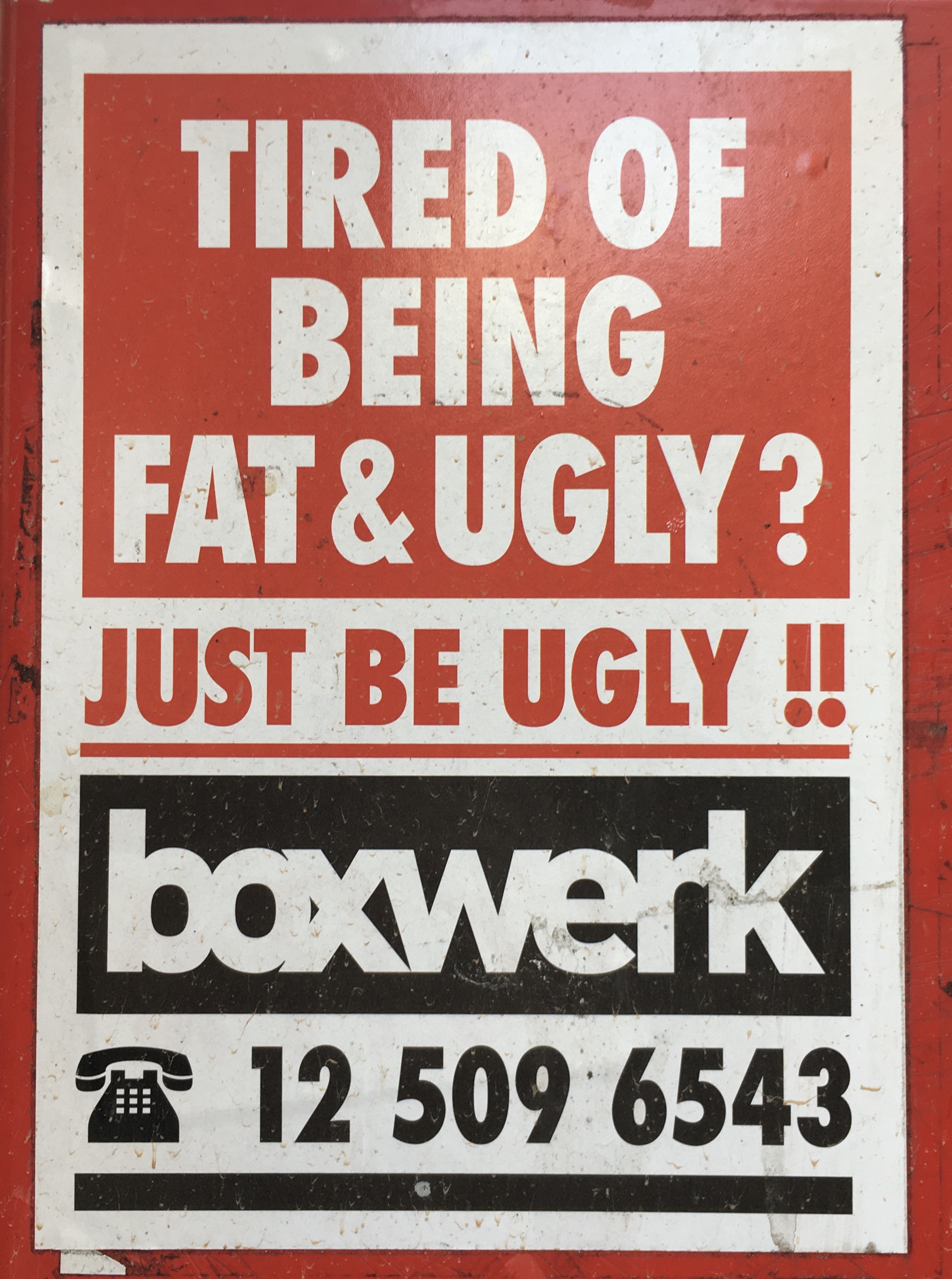
Sarcasm finds practical application across various domains. In education, teachers might use it subtly to engage students or highlight logical fallacies in arguments. In marketing and advertising, it's a common tactic to create relatable or edgy brand personas, as seen in campaigns by Oreo or Old-Spice. Comedians and satirists use it extensively to critique society and entertain audiences. In interpersonal relationships, it can serve as a bonding mechanism or a way to diffuse tension, though its effectiveness is highly dependent on the individuals involved. Even in customer-service, some companies employ a touch of lighthearted sarcasm to humanize their interactions, though this is a risky strategy. Understanding sarcasm is also crucial for natural-language-processing (NLP) development, enabling machines to better comprehend human language.
Key Facts
- Category
- culture
- Type
- topic