
Contents
Overview
The concept of real ale emerged from a growing concern in the mid-20th century over the homogenization of British beer. Brewers were increasingly adopting methods like pasteurization and mechanical carbonation, which some argued stripped beer of its character and flavor. The movement was a direct reaction against the perceived industrialization of brewing, seeking to protect heritage breweries and traditional pub practices that were rapidly disappearing. The definition itself, focusing on traditional ingredients, secondary fermentation in the serving container, and absence of extraneous CO2, became the rallying cry for a generation of beer drinkers.
⚙️ How It Works
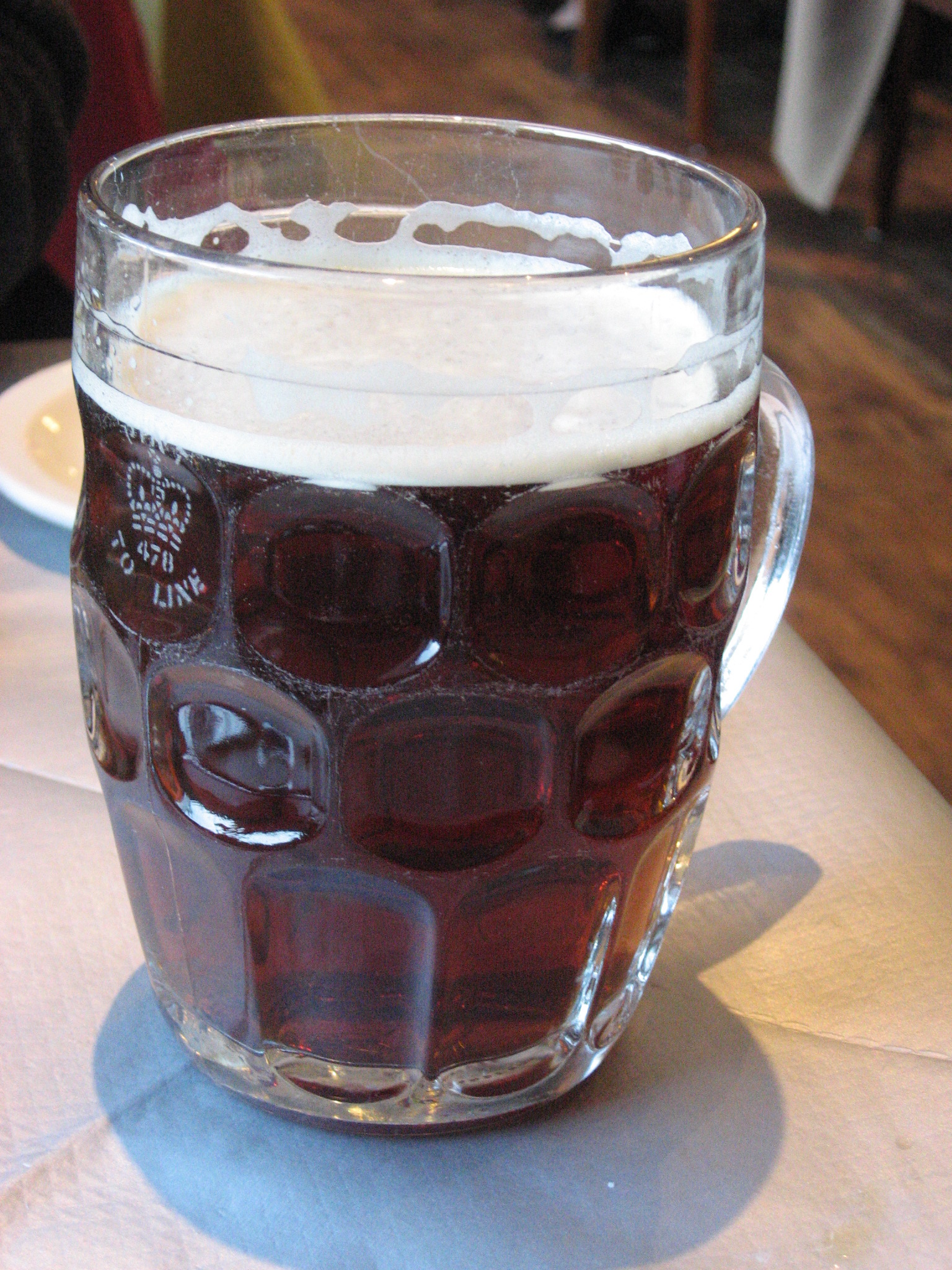
The essence of real ale lies in its maturation process. Unlike beers that are carbonated artificially, real ale undergoes a secondary fermentation in the cask or keg from which it is served. Yeast, added during brewing, continues to ferment the remaining sugars, naturally producing carbon dioxide that dissolves into the beer, creating a gentle effervescence. This process, often referred to as conditioning, allows the beer to develop complex flavors and aromas. Serving real ale typically involves a hand pump (often called a 'beer engine') or gravity, which dispenses the beer without introducing additional gases, preserving the delicate carbonation and preventing oxidation. The temperature is also crucial, usually served slightly cooler than cellar temperature but warmer than typical chilled lagers, around 10-14°C (50-57°F).
📊 Key Facts & Numbers
The real ale movement has had a tangible impact on the brewing industry. While lagers dominate the overall beer market, real ale holds a strong niche, with dedicated pubs and festivals celebrating its unique qualities. The focus remains on quality, provenance, and the unique sensory experience that only naturally conditioned beer can provide.
👥 Key People & Organizations
Key figures in the real ale movement include the founders of CAMRA, who established the organization to champion traditional brewing. Michael Jackson, a renowned beer writer, was instrumental in popularizing real ale and traditional brewing methods globally through his influential books like 'The World Guide to Beer' (1977). Many independent breweries, such as Fuller's (founded 1845), Shepherd Neame (founded 1698), and Young's (founded 1831, though operations have changed), have long histories of producing real ale. CAMRA continues to be the primary advocacy group, with its extensive network of volunteers and its annual Great British Beer Festival.
🌍 Cultural Impact & Influence
Real ale has profoundly influenced British pub culture, transforming it from a potentially declining industry into a vibrant scene celebrating heritage and craftsmanship. It has fostered a discerning palate among consumers, encouraging them to appreciate subtle flavor variations and the nuances of different brewing styles. The movement has also inspired similar efforts in other countries, promoting traditional beer-making techniques worldwide. Pubs that champion real ale often become community hubs, fostering social interaction and a sense of place. The aesthetic of a traditional pub, with its cask ales on tap, has become an iconic symbol of British identity, influencing design and hospitality trends globally. The rise of craft beer in the US and elsewhere can be seen as a parallel movement, albeit with different specific characteristics, that shares real ale's ethos of quality and tradition over mass production.
⚡ Current State & Latest Developments
The real ale scene remains dynamic, with a constant influx of new breweries and a sustained commitment from established ones. CAMRA continues its advocacy, campaigning against pub closures and promoting responsible drinking. The annual Great British Beer Festival and regional beer festivals draw hundreds of thousands of attendees, showcasing a vast array of real ales. While the craft beer revolution has introduced new styles and methods, many craft breweries also embrace traditional cask conditioning. There's an ongoing debate about the definition of 'real ale' and how it applies to modern craft brewing, particularly concerning hop varieties and yeast strains. The focus remains on quality, provenance, and the unique sensory experience that only naturally conditioned beer can provide.
🤔 Controversies & Debates
The definition of real ale itself is a point of contention. Critics argue that CAMRA's strict definition, particularly regarding the exclusion of any extraneous CO2, is overly rigid and can lead to inconsistencies in beer quality. Some brewers feel it stifles innovation, while others question whether the sensory difference is truly significant enough to warrant such a strict adherence. The debate also extends to serving practices; some pubs may not always maintain the ideal temperature or handling procedures for cask ales, leading to suboptimal experiences. Furthermore, the rise of 'craft keg' beers, which are often unpasteurized and use natural carbonation but are served through standard keg lines, blurs the lines and sparks discussions about what truly constitutes 'real'.
🔮 Future Outlook & Predictions
The future of real ale appears secure, driven by a dedicated consumer base and a growing appreciation for artisanal products. Consumers are increasingly seeking authentic experiences and locally sourced goods, and real ale is well-positioned to thrive. We may see further innovation within the traditional framework, with brewers experimenting with heritage hop varieties and yeasts. The global spread of traditional brewing methods, inspired by the real ale movement, is likely to continue. However, challenges remain, including the economic pressures on small breweries and pubs, and the ongoing need to educate consumers about the unique qualities of real ale. The potential for real ale to influence the broader craft beer movement, encouraging a greater focus on natural conditioning and flavor development, is also significant.
💡 Practical Applications
Real ale's primary application is as a beverage, enjoyed in pubs and at home. Beyond consumption, it serves as a cultural touchstone, representing a significant aspect of British heritage and identity. The brewing process itself is a practical application of traditional fermentation science, offering insights into historical food production. For pubs, serving quality real ale is a key business strategy, attracting customers who value authenticity and a traditional pub experience. The advocacy work of organizations like CAMRA demonstrates a practical application of consumer activism in shaping an industry. Furthermore, the revival of real ale has spurred interest in traditional brewing equipment and techniques, creating niche markets for suppliers and restorers.
Key Facts
- Category
- culture
- Type
- topic