Contents
- 🌈 Introduction to Rainbow Flag
- 🏴️ History of the Rainbow Flag
- 🌎 Global Usage and Variations
- 👥 Who Uses the Rainbow Flag
- 💪 Symbolism and Meaning
- 🎨 Design and Color Significance
- 🌈 Comparison with Other Social Movement Flags
- 📸 Practical Tips for Displaying the Rainbow Flag
- 🤝 Getting Involved with Rainbow Flag Communities
- 📊 Vibe Score and Cultural Impact
- Frequently Asked Questions
- Related Topics
Overview
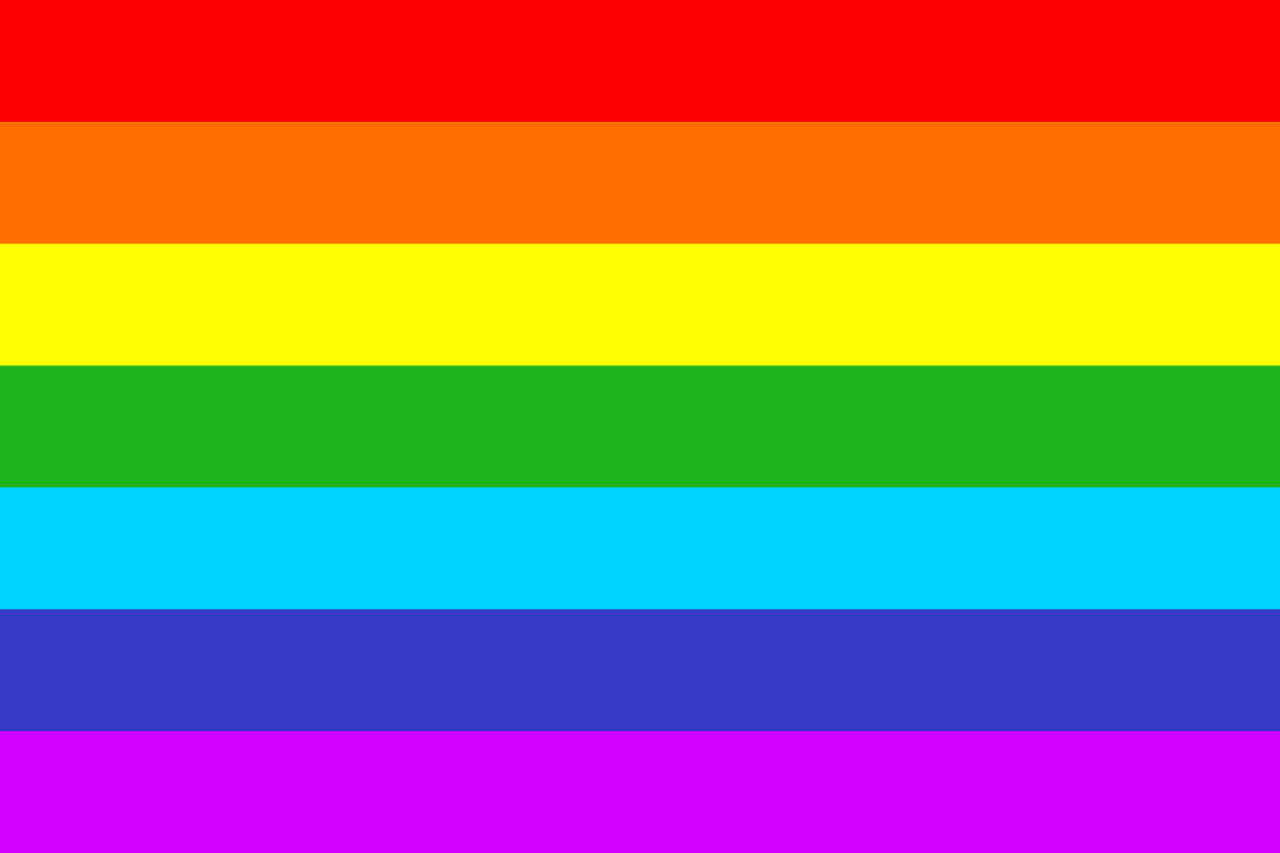
The rainbow flag, also known as the Pride flag, is a widely recognized symbol of the LGBTQ+ community, representing diversity, inclusivity, and the fight for equal rights. Designed by Gilbert Baker in 1978, the flag features six colors: red, orange, yellow, green, blue, and purple, each with its own significance. The flag has undergone several design changes over the years, with the most recent version being the Progress Pride flag, which incorporates additional colors to represent marginalized communities. The rainbow flag has become an iconic symbol of LGBTQ+ pride and is often displayed during Pride parades and events. With a vibe score of 8, the rainbow flag is a powerful symbol of unity and solidarity, with influence flows tracing back to the Stonewall riots and the LGBTQ+ rights movement. As a cultural phenomenon, the rainbow flag continues to evolve, with new designs and interpretations emerging, such as the use of the flag in fashion and art, and its adoption by brands and organizations as a symbol of allyship and support.
🌈 Introduction to Rainbow Flag
The Rainbow Flag is a powerful symbol of LGBTQ+ rights and social movements around the world. It consists of a multicolored design, typically featuring the seven spectral colors of the visible light spectrum. The flag has become an iconic representation of diversity and inclusion, and its usage extends beyond the LGBTQ+ community to represent a broader message of equality and justice. The Rainbow Flag has been adopted by various organizations and individuals, including human rights organizations and social justice movements.
🏴️ History of the Rainbow Flag
The history of the Rainbow Flag dates back to the 1970s, when it was first introduced by Gilbert Baker, an American artist and LGBTQ+ activist. Baker's design featured eight colors, each with a specific meaning, and was first flown at the San Francisco Pride parade in 1978. Over time, the design has undergone several changes, with the most common version featuring six colors. The Rainbow Flag has been used in various social movements, including the feminist movement and the anti-racism movement.
🌎 Global Usage and Variations
The Rainbow Flag is used globally, with various countries and organizations adopting their own versions of the design. In some countries, the flag is used as a symbol of national pride, while in others it represents a social movement. The flag has been flown at various events, including pride parades and human rights rallies. The Rainbow Flag has also been used in art and activism, with many artists incorporating the design into their work. The flag's global usage is a testament to its enduring power as a symbol of diversity and inclusion.
👥 Who Uses the Rainbow Flag
The Rainbow Flag is used by a wide range of individuals and organizations, including LGBTQ+ individuals, human rights organizations, and social justice movements. The flag is often displayed at pride events and social justice rallies, and is used as a symbol of solidarity and support for marginalized communities. The Rainbow Flag has also been adopted by allies and supporters of the LGBTQ+ community, and is often used as a symbol of allyship and solidarity.
💪 Symbolism and Meaning
The Rainbow Flag has a rich symbolism and meaning, with each color representing a specific aspect of the LGBTQ+ community and social justice movements. The colors of the flag are often interpreted as follows: red represents life and passion, orange represents healing and hope, yellow represents sunlight and happiness, green represents nature and growth, blue represents peace and harmony, and purple represents spirit and wisdom. The flag's symbolism is a powerful reminder of the importance of diversity and inclusion and equality and justice.
🎨 Design and Color Significance
The design of the Rainbow Flag is a key aspect of its symbolism and meaning. The flag typically features six colors, arranged in a horizontal pattern. The colors are often gradated, with each color blending into the next to create a sense of continuity and unity and solidarity. The flag's design has undergone several changes over the years, with various organizations and individuals creating their own versions of the flag. The Rainbow Flag has been used in various forms of art and activism, including street art and performance art.
📸 Practical Tips for Displaying the Rainbow Flag
Displaying the Rainbow Flag can be a powerful way to show support for LGBTQ+ rights and social justice movements. When displaying the flag, it's essential to consider the context and audience, and to ensure that the flag is used in a respectful and inclusive and respectful manner. The flag can be displayed at pride events, social justice rallies, and other community events. The Rainbow Flag can also be used in art and activism, creating a powerful symbol of resistance and activism.
🤝 Getting Involved with Rainbow Flag Communities
Getting involved with Rainbow Flag communities can be a great way to show support for LGBTQ+ rights and social justice movements. There are many organizations and groups that use the Rainbow Flag as a symbol of their work, including human rights organizations and social justice movements. The Rainbow Flag has also been used in education and awareness campaigns, promoting diversity and inclusion and equality and justice.
📊 Vibe Score and Cultural Impact
The Rainbow Flag has a high vibe score, indicating its significant cultural impact and relevance. The flag's cultural impact extends beyond the LGBTQ+ community, representing a broader message of diversity and inclusion and equality and justice. The Rainbow Flag has been used in various forms of art and activism, including music and performance. The flag's cultural impact is a testament to its enduring power as a symbol of social justice and equality.
Key Facts
- Year
- 1978
- Origin
- San Francisco, USA
- Category
- Social Movements
- Type
- Symbol
Frequently Asked Questions
What is the history of the Rainbow Flag?
The Rainbow Flag was first introduced by Gilbert Baker in the 1970s. The flag has undergone several changes over the years, with the most common version featuring six colors. The flag's design and symbolism have been influenced by various social movements, including the feminist movement and the anti-racism movement.
What does the Rainbow Flag represent?
The Rainbow Flag represents a message of diversity and inclusion and equality and justice. The flag is often used as a symbol of LGBTQ+ rights and social justice movements. The flag's symbolism is a powerful reminder of the importance of unity and solidarity and allyship and solidarity.
How can I display the Rainbow Flag?
The Rainbow Flag can be displayed at pride events, social justice rallies, and other community events. The flag can also be used in art and activism, creating a powerful symbol of resistance and activism. When displaying the flag, it's essential to consider the context and audience, and to ensure that the flag is used in a respectful and inclusive and respectful manner.
What is the cultural impact of the Rainbow Flag?
The Rainbow Flag has a significant cultural impact, representing a broader message of diversity and inclusion and equality and justice. The flag's cultural impact extends beyond the LGBTQ+ community, and has been used in various forms of art and activism. The flag's cultural impact is a testament to its enduring power as a symbol of social justice and equality.
How can I get involved with Rainbow Flag communities?
There are many organizations and groups that use the Rainbow Flag as a symbol of their work, including human rights organizations and social justice movements. The Rainbow Flag has also been used in education and awareness campaigns, promoting diversity and inclusion and equality and justice. Getting involved with Rainbow Flag communities can be a great way to show support for LGBTQ+ rights and social justice movements.