
Contents
Overview
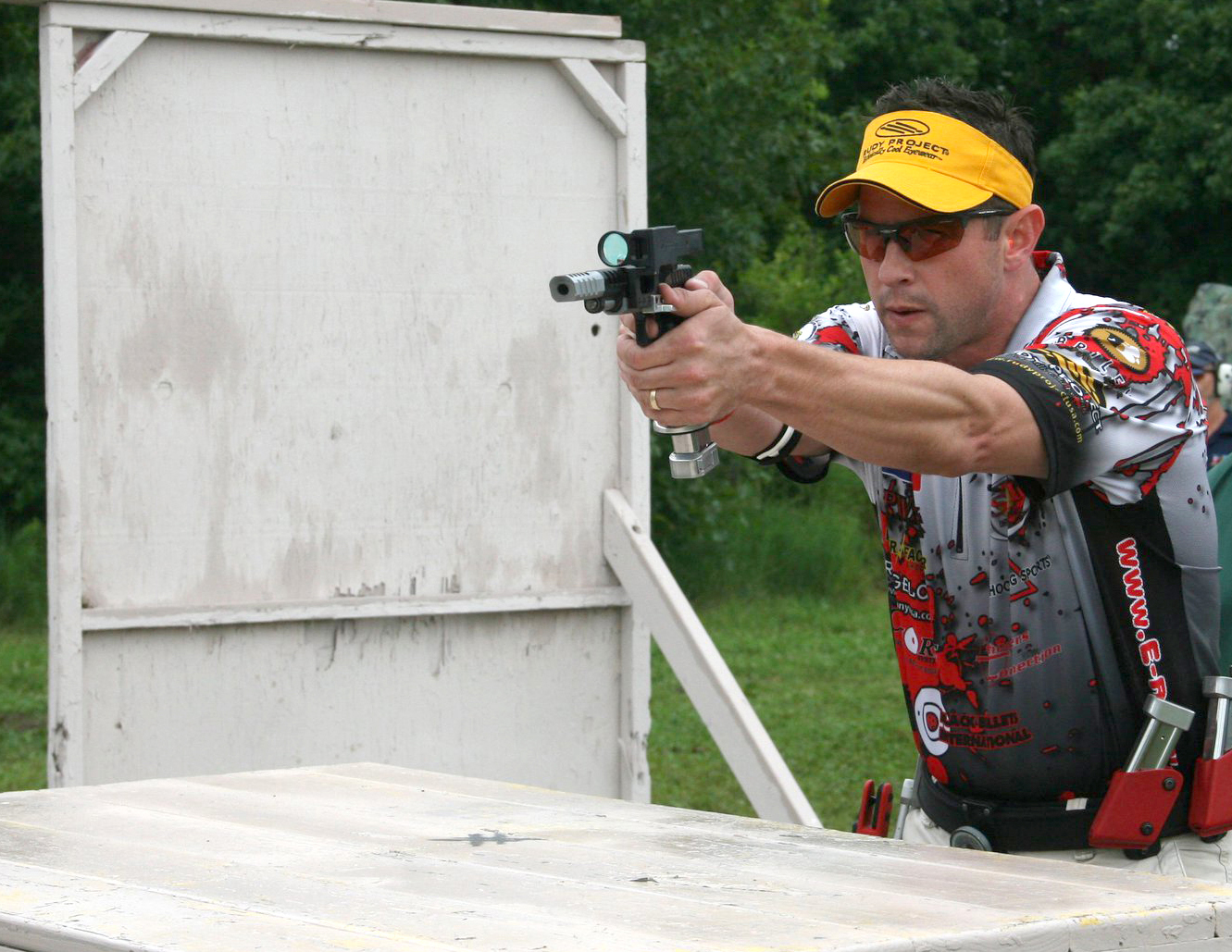
Practical shooting, also known as dynamic or action shooting, is a competitive firearm discipline that demands competitors master the interplay of precision, power, and speed. Athletes navigate challenging courses of fire, known as stages, that require movement, shooting from various positions, and engaging targets under dynamic conditions. Scoring systems, while varying between governing bodies like the International Practical Shooting Confederation (IPSC), universally penalize inaccurate shots and reward efficiency, measuring performance by time and accuracy. Unlike static marksmanship disciplines, practical shooting stages are uniquely designed, forcing shooters to devise their own strategies and solutions, fostering innovation and adaptability. This sport tests not just marksmanship but also tactical thinking, physical conditioning, and mental fortitude under pressure, making it a demanding and engaging pursuit for firearm enthusiasts worldwide.
🎵 Origins & History
The genesis of practical shooting can be traced back to the mid-20th century, evolving from various informal shooting competitions and military training exercises. The formal establishment of the International Practical Shooting Confederation (IPSC) in 1976 marked the true birth of the sport as a globally recognized discipline. IPSC codified rules and scoring, standardizing the sport and fostering its rapid international growth, with early championships drawing competitors from across continents.
⚙️ How It Works
At its core, practical shooting is about efficiently neutralizing threats or hitting targets under simulated real-world conditions. Competitors engage multiple targets, often at varying distances and angles, from different shooting positions, which can include standing, kneeling, or prone. Stages are designed to test a shooter's ability to move between positions, reload their firearm, and make accurate shots quickly. The scoring system calculates a score based on points earned for hits on targets minus time penalties for misses or procedural errors. A 'power factor' is also crucial, ensuring that firearms used meet a minimum standard of ballistic energy, balancing speed with projectile impact. This intricate scoring system ensures that both accuracy and speed are equally vital for success.
📊 Key Facts & Numbers
The global reach of practical shooting is substantial, with millions more participating in various national and regional dynamic shooting organizations. The IPSC World Shoot is held every three years, attracting over 500 competitors from more than 30 countries. Firearms used typically include semi-automatic pistols, rifles, and shotguns, with specific divisions dictating modifications allowed, such as the 'Open' division allowing extensive customization and the 'Standard' division enforcing stricter equipment limitations. The average stage in a competition might consist of 20-30 rounds, requiring shooters to carry multiple magazines or speedloaders. The time to complete a single stage can range from 15 seconds to over a minute, depending on complexity.
👥 Key People & Organizations
Key figures in practical shooting include Jeff Cooper, a Marine Colonel and firearms instructor who was instrumental in developing early dynamic shooting concepts and the Col. Cooper Course. Paco Asó is credited as the founder of the International Practical Shooting Confederation (IPSC) in 1976. Prominent competitive shooters like Jerry Miculek, a legendary American shooter with numerous world championships across various disciplines, have significantly influenced the sport's techniques and popularity. Organizations such as the United States Practical Shooting Association (USPSA) (affiliated with IPSC) and the International Defensive Pistol Association (IDPA) are major governing bodies that set rules, organize competitions, and promote safety within their respective regions.
🌍 Cultural Impact & Influence
Practical shooting has profoundly influenced firearm design, accessory development, and defensive shooting doctrines. The demand for faster reloads, improved ergonomics, and reliable performance under stress has driven innovation in firearm manufacturing, leading to features like extended magazine releases, fiber optic sights, and specialized grips becoming commonplace. The sport's emphasis on moving and shooting, target acquisition under duress, and tactical reloading has also filtered into law enforcement and military training programs, informing how officers and soldiers are prepared for dynamic encounters. Furthermore, the visibility of top-tier practical shooters through platforms like YouTube has inspired a new generation of enthusiasts and contributed to the sport's growing cultural resonance.
⚡ Current State & Latest Developments
The sport continues to evolve with technological advancements and rule adjustments. In 2024, IPSC announced updates to its ruleset aimed at enhancing safety and fairness, particularly concerning new firearm technologies and accessory integration. The emergence of new competitive divisions, such as 'Production Optics' and 'Carry Optics', reflects the growing popularity of firearms equipped with red dot sights, mirroring trends in self-defense and law enforcement. Online platforms and social media continue to be crucial for competitor engagement, training dissemination, and event promotion, with major competitions now routinely live-streamed to a global audience. The sport is also seeing increased participation from younger demographics, attracted by the dynamic action and accessible entry points offered by some divisions.
🤔 Controversies & Debates
Practical shooting is not without its controversies. Debates frequently arise regarding equipment regulations, particularly the balance between allowing competitive customization and maintaining a level playing field. Safety is paramount, and incidents, though rare, often spark discussions about training standards, range safety protocols, and the responsible handling of firearms in a competitive environment. Some critics question the 'practicality' of certain stage designs or equipment, arguing they diverge from real-world defensive scenarios. Furthermore, the sport, like many firearm-related activities, faces scrutiny from gun control advocates, leading to ongoing challenges in securing venues and maintaining public perception.
🔮 Future Outlook & Predictions
The future of practical shooting appears poised for continued growth, driven by technological integration and a broadening appeal. The increasing adoption of optics on competition firearms suggests a potential shift in how stages are designed and how shooters train. Governing bodies are likely to continue refining rules to accommodate these changes while upholding safety and competitive integrity. There's also a growing interest in cross-disciplinary training, with practical shooters exploring elements of precision rifle and steel challenge to broaden their skill sets. Furthermore, the potential for greater mainstream media coverage and professionalization of the sport could attract more sponsorship and a wider audience, solidifying its place among recognized athletic competitions.
💡 Practical Applications
While primarily a sport, the skills honed in practical shooting have direct applications in defensive firearm use and professional contexts. The emphasis on rapid target identification, accurate shot placement under stress, efficient reloading, and tactical movement translates directly to scenarios where quick, decisive action is required. For law enforcement and military personnel, practical shooting training can enhance proficiency in dynamic situations, improving response times and effectiveness. Furthermore, the discipline fosters a deep understanding of firearm mechanics, maintenance, and safe handling, which are invaluable for any responsible gun owner. The problem-solving aspect of designing stage solutions also hones strategic thinking applicable beyond the shooting range.
Key Facts
- Category
- sports
- Type
- topic