
Contents
Overview
A 'pose' is a deliberate physical configuration of the body, often adopted for artistic, aesthetic, athletic, or spiritual purposes. Unlike a casual 'position' or habitual 'posture', a pose implies intention and a communicative function, whether conveying emotion, demonstrating skill, or embodying a concept. Historically, poses have been central to visual arts, from ancient sculpture to Roman art. Renaissance artists like Leonardo da Vinci meticulously studied human anatomy to imbue their painted figures with lifelike yet idealized poses, as seen in the enigmatic smile of the Mona Lisa. Photography, emerging in the mid-19th century, further codified the pose, with early portrait studios requiring subjects to hold still for extended periods, often adopting formal, stiff postures. The advent of fashion photography in the early 20th century, pioneered by figures like Edward Steichen and later Irving Penn, transformed the pose into a tool for conveying style, aspiration, and narrative, moving beyond simple likeness to embody a desired persona. The voguing movement of the late 20th century, popularized by Madonna's song and film, brought a specific, stylized form of posing to global attention, emphasizing angularity and dramatic stillness.
🎵 Origins & History
The concept of the 'pose' as a deliberate bodily arrangement has roots stretching back to antiquity, evident in the carefully sculpted forms of Ancient Greek sculpture and the dynamic figures of Roman art. Renaissance artists like Leonardo da Vinci meticulously studied human anatomy to imbue their painted figures with lifelike yet idealized poses, as seen in the enigmatic smile of the Mona Lisa. Photography, emerging in the mid-19th century, further codified the pose, with early portrait studios requiring subjects to hold still for extended periods, often adopting formal, stiff postures. The advent of fashion photography in the early 20th century, pioneered by figures like Edward Steichen and later Irving Penn, transformed the pose into a tool for conveying style, aspiration, and narrative, moving beyond simple likeness to embody a desired persona. The voguing movement of the late 20th century, popularized by Madonna's song and film, brought a specific, stylized form of posing to global attention, emphasizing angularity and dramatic stillness.
⚙️ How It Works
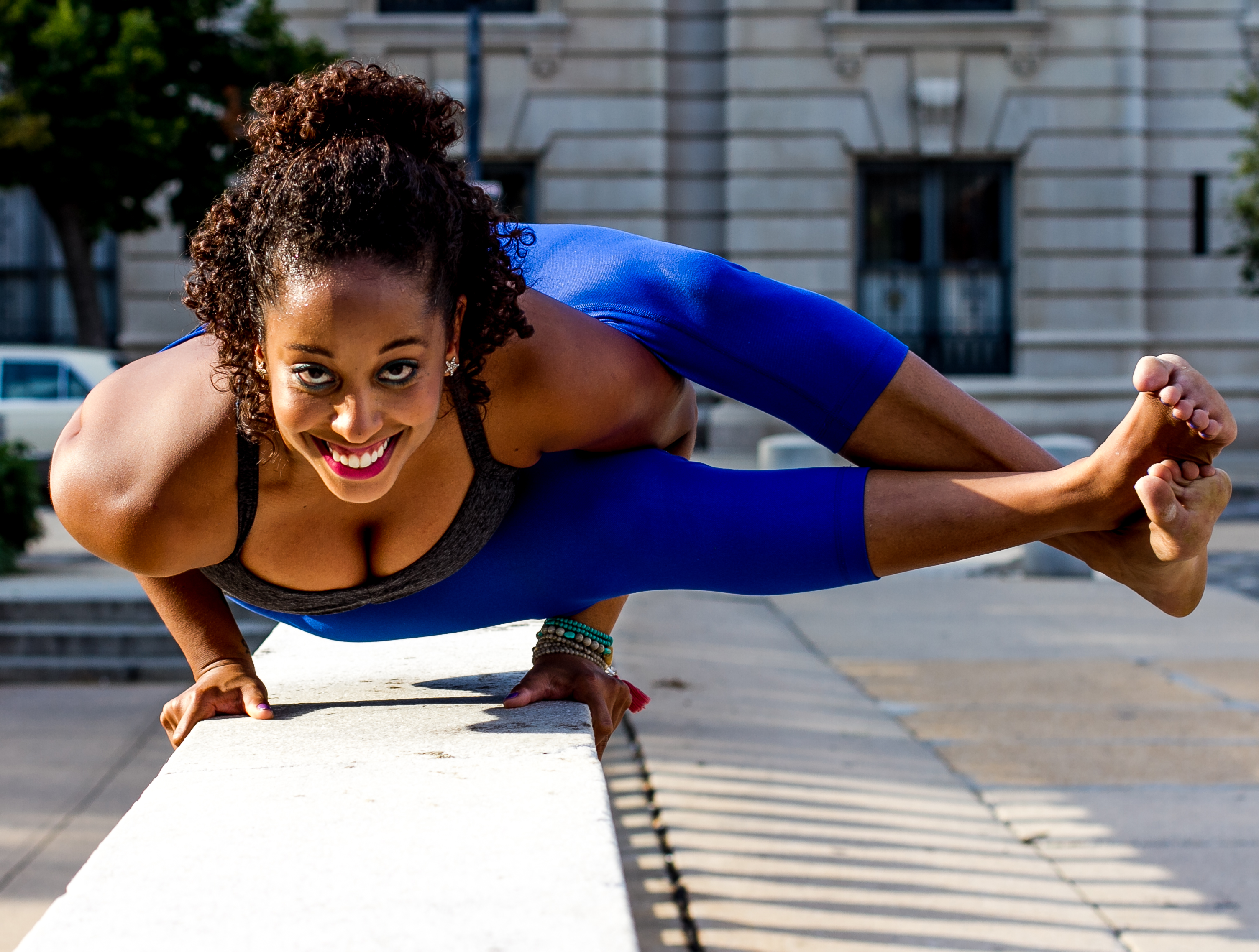
A pose is constructed through conscious control of the body's alignment, limb placement, and facial expression. It involves manipulating kinesthetic awareness to achieve a specific visual outcome. This can range from the subtle tension in an athlete's stance before a Olympic event, designed to maximize power and balance, to the exaggerated theatricality of a silent film actor's gesture, intended to convey emotion without dialogue. In yoga and martial arts, specific poses, or 'asanas' and 'kata' respectively, are not merely static positions but dynamic sequences that build strength, flexibility, and mental focus. The effectiveness of a pose often lies in its ability to communicate a narrative or emotional state to an observer, leveraging shared cultural understandings of body language and visual cues. The interplay of light and shadow, as explored by photographers like Annie Leibovitz, can further enhance the dramatic impact of a carefully chosen pose.
📊 Key Facts & Numbers
The Met Gala, an annual event, showcases extreme and elaborate poses. Organizations like the Actors Studio train actors in physical expression, including the mastery of dramatic poses.
👥 Key People & Organizations
Key figures in the history of posing include Georgia O'Keeffe, whose paintings often feature flowers and landscapes in striking, almost anthropomorphic poses. The Second album titled 'Pose' (released in 2000) features cover art that itself employs a distinct visual pose. In the realm of dance, choreographers like Martha Graham developed iconic poses that became synonymous with modern dance. Contemporary photographers such as Tim Walker and Nick Knight are renowned for their innovative and often surreal use of posing in fashion and art photography, pushing the boundaries of visual storytelling. Organizations like the Actors Studio train actors in physical expression, including the mastery of dramatic poses.
🌍 Cultural Impact & Influence
The pose has profoundly shaped visual culture, influencing everything from advertising to political imagery. The iconic 'V-for-Victory' sign, a simple hand pose, became a global symbol of defiance during World War II. In advertising, poses are meticulously crafted to evoke desire, trust, or aspiration, linking products to specific lifestyles or emotional states. The rise of social media platforms like Instagram has democratized posing, with everyday users curating their online personas through carefully selected and edited photographs. This has led to the popularization of specific 'Instagram poses' designed to flatter the user and garner likes. The concept of 'body positivity' has also influenced posing, encouraging more diverse and naturalistic representations of the human form, challenging traditional ideals of perfection. The visual language of poses continues to evolve, reflecting societal shifts in beauty standards and self-expression.
⚡ Current State & Latest Developments
The virtual reality and augmented reality industries are exploring how to translate human poses into digital avatars with greater fidelity and expressiveness. In fashion, there's a growing trend towards more dynamic and candid-seeming poses, moving away from overly stiff or artificial presentations, exemplified by designers like Demna Gvasalia at Balenciaga. The rise of short-form video content on platforms like TikTok has also led to the creation of 'dance challenges' and viral trends that often center around specific, repeatable poses. The ongoing debate about authenticity versus performance in online self-representation continues to shape how individuals approach their own posing.
🤔 Controversies & Debates
One significant controversy surrounding posing relates to the perpetuation of unrealistic beauty standards, particularly in fashion and advertising. Critics argue that the often-unattainable perfection depicted in posed imagery can contribute to body image issues and eating disorders, especially among young people exposed to heavily edited photographs. The ethics of photo manipulation and the use of filters on platforms like Instagram raise questions about authenticity and the creation of idealized, often misleading, self-representations. Furthermore, the historical context of posing, particularly in early photography and art, sometimes involved the objectification of subjects, especially women and marginalized groups, reducing them to mere visual elements rather than active participants. The debate intensifies when considering the power dynamics inherent in who controls the pose – the photographer, the director, or the subject themselves.
🔮 Future Outlook & Predictions
The future of posing is likely to be increasingly intertwined with artificial intelligence and immersive technologies. AI could be used to generate entirely new poses or to analyze and optimize existing ones for specific effects, potentially leading to hyper-realistic digital humans in metaverse environments. We may see a further blurring of lines between posed and candid imagery, with AI tools capable of creating seemingly spontaneous moments. The development of more sophisticated motion capture technology could allow for the seamless translation of real-world poses into digital spaces, enhancing virtual reality experiences. There's also a potential for AI to assist individuals in discovering and adopting poses that enhance their personal presentation, whether for professional headshots or online profiles, leading to a more personalized approach to body language. The exploration of non-Western aesthetic traditions in posing may also gain prominence, diversifying the visual vocabulary available.
💡 Practical Applications
Posing is a fundamental tool in numerous practical applications. In
Key Facts
- Category
- aesthetics
- Type
- topic