
Contents
Overview
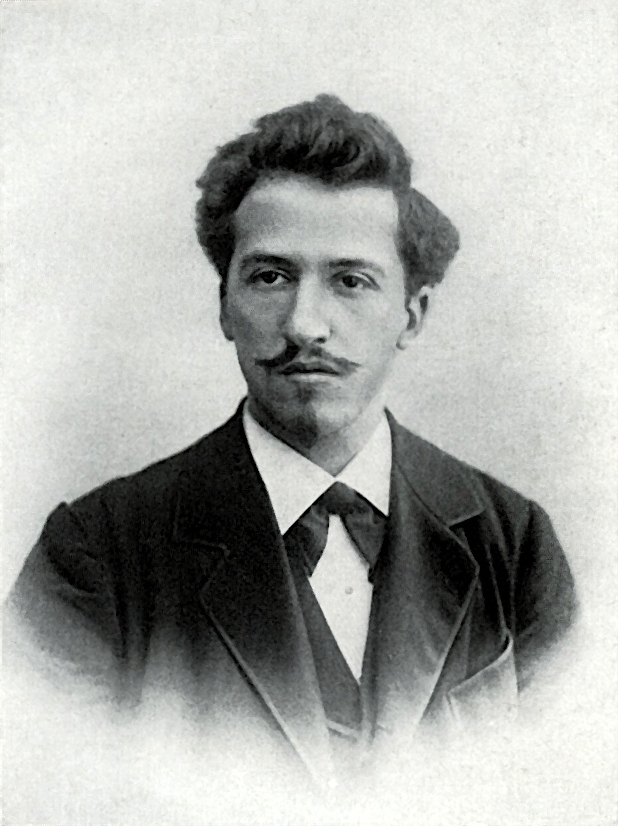
Piet Mondrian, born Pieter Cornelis Mondriaan, was a Dutch painter and art theoretician who is widely regarded as one of the greatest artists of the 20th century. His early work, influenced by Johannes Vermeer and Vincent van Gogh, was characterized by a more traditional, figurative style. However, as he delved deeper into the world of art, Mondrian became increasingly fascinated with the concept of abstraction, eventually developing his signature style, which emphasized geometric elements and primary colors. This shift in style was heavily influenced by his interactions with Henri Matisse and Pablo Picasso.
⚙️ The Development of Abstract Art
Mondrian's artistic philosophy was deeply rooted in his utopian ideals, which emphasized the importance of simplicity, harmony, and balance. He believed that art should be a reflection of the spiritual, rather than the physical world, and that it should strive to capture the essence of reality, rather than simply representing it. This philosophy is evident in his most famous works, including 'Composition with Red, Yellow, and Blue' and 'Broadway Boogie Woogie', which showcase his innovative use of color and composition. The De Stijl movement, which Mondrian co-founded, played a significant role in the development of his artistic style, with its emphasis on geometric forms and primary colors.
🌍 Cultural Impact & Legacy
Mondrian's influence on modern art is immeasurable, with his work inspiring a wide range of artists, from Jackson Pollock to Andy Warhol. His emphasis on geometric elements and primary colors has also had a profound impact on the world of design, with his style influencing everything from architecture to fashion. The Bauhaus school, which Mondrian was associated with, also played a significant role in the development of modern design, with its emphasis on functional simplicity and clean lines. Today, Mondrian's work can be found in museums and galleries around the world, including the Museum of Modern Art and the Tate Modern.
🔮 Influence on Modern Art
As a testament to his enduring legacy, Mondrian's work continues to inspire new generations of artists, designers, and musicians. His innovative use of color and composition has influenced a wide range of creative fields, from graphic design to music. The Stijl movement, which Mondrian co-founded, has also had a lasting impact on the world of art and design, with its emphasis on simplicity, harmony, and balance. With his work continuing to captivate audiences around the world, Piet Mondrian remains one of the most important and influential artists of the 20th century, with a legacy that will continue to inspire and influence for generations to come.
Key Facts
- Year
- 1872-1944
- Origin
- Netherlands
- Category
- aesthetics
- Type
- person
Frequently Asked Questions
What is Piet Mondrian's most famous work?
Mondrian's most famous work is 'Broadway Boogie Woogie', which showcases his innovative use of color and composition. This painting, created in 1942-1943, is a testament to Mondrian's ability to capture the essence of modern life through his unique artistic style. The painting is characterized by its use of geometric elements, primary colors, and a sense of dynamic energy, which reflects the vibrant and bustling atmosphere of New York City's Broadway. As Marcel Duchamp once said, 'Mondrian's paintings are not just works of art, but a way of life.'
What is the De Stijl movement?
The De Stijl movement, co-founded by Mondrian, was an art movement that emphasized geometric forms and primary colors. The movement, which emerged in the Netherlands in the early 20th century, sought to create a new kind of art that was characterized by simplicity, harmony, and balance. De Stijl artists, including Johannes Itten and Ludwig Mies van der Rohe, believed that art should be a reflection of the spiritual, rather than the physical world, and that it should strive to capture the essence of reality, rather than simply representing it. The movement had a profound influence on the development of modern art and design, with its emphasis on functional simplicity and clean lines.
How did Mondrian's work influence modern design?
Mondrian's emphasis on geometric elements and primary colors has had a profound impact on the world of design, from architecture to fashion. His innovative use of color and composition has inspired a wide range of designers, including Le Corbusier and Charles Rennie Mackintosh. The Bauhaus school, which Mondrian was associated with, also played a significant role in the development of modern design, with its emphasis on functional simplicity and clean lines. Today, Mondrian's style can be seen in everything from graphic design to interior design, with his use of geometric elements and primary colors continuing to inspire new generations of designers.
What is the significance of Mondrian's artistic philosophy?
Mondrian's artistic philosophy, which emphasized the importance of abstraction and utopian ideals, has had a profound impact on the development of modern art. His belief that art should be a reflection of the spiritual, rather than the physical world, has inspired a wide range of artists, from Mark Rothko to Barnett Newman. The Dada movement, which emerged in the early 20th century, also shared similar ideals, with its emphasis on challenging traditional notions of art and reality. Today, Mondrian's artistic philosophy continues to inspire new generations of artists, with his emphasis on simplicity, harmony, and balance remaining a powerful influence on the art world.
How did Mondrian's work influence the development of abstract art?
Mondrian's work, particularly his use of geometric elements and primary colors, has had a profound influence on the development of abstract art. His innovative use of color and composition has inspired a wide range of artists, from Jackson Pollock to Willem de Kooning. The Abstract Expressionism movement, which emerged in the mid-20th century, also shared similar ideals, with its emphasis on expressing emotions and ideas through non-representational forms. Today, Mondrian's style continues to inspire new generations of artists, with his use of geometric elements and primary colors remaining a powerful influence on the art world.