
Contents
Overview
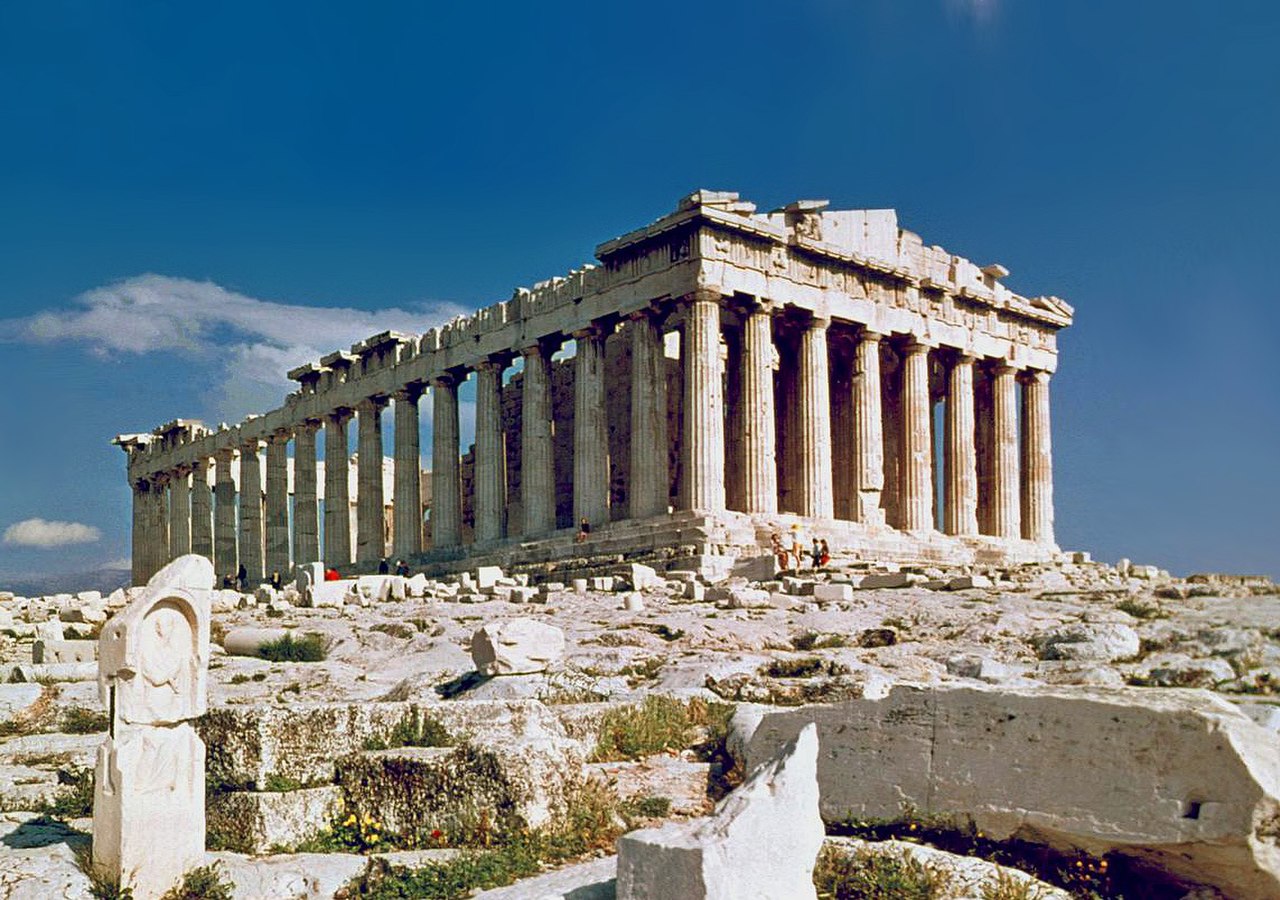
The Parthenon, perched majestically atop the Athenian Acropolis, isn't just a ruin; it's a pulsating symbol of classical antiquity, Western thought, and the very genesis of democratic ideals. Dedicated to Athena, the city's patron goddess, this Doric temple, constructed between 447 and 438 BCE, represents the zenith of classical Greek architectural achievement. Its surviving sculptures, though fragmented and dispersed, remain unparalleled masterpieces of classical Greek artistry, offering a tangible link to a civilization that profoundly shaped our world. Understanding the Parthenon requires grappling with its layered history: from its sacred purpose to its transformation into a church, mosque, and even an ammunition depot, each era leaving its indelible mark.
📍 Location & Access
You'll find the Parthenon crowning the Acropolis of Athens, an ancient citadel overlooking the sprawling modern city. The entrance to the Acropolis site is typically managed by the Hellenic Ministry of Culture and Sports. Access involves a climb, so comfortable footwear is non-negotiable. The site itself is a UNESCO World Heritage site, and its preservation is paramount, meaning certain areas might have restricted access for ongoing restoration efforts. Be prepared for crowds, especially during peak season, as this is a pilgrimage site for history buffs and tourists alike.
⏰ Visiting Hours & Best Times
The Acropolis, including the Parthenon, generally opens around 8:00 AM and closes between 5:00 PM and 8:00 PM, depending on the season. To truly capture the magic without the crush, aim for an early morning visit, ideally right at opening, or a late afternoon slot just before sunset. The golden hour light bathing the marble is legendary, offering photographers and contemplative visitors a truly sublime experience. Avoid midday heat and the largest tour groups by planning your visit strategically.
💰 Admission & Ticketing
Admission to the Acropolis site, which includes access to the Parthenon and surrounding monuments, is typically around €20 for adults during the high season (April-October) and €10 during the low season (November-March). Reduced prices are available for EU citizens over 65 and students with valid ID. Combination tickets are often available, offering access to multiple archaeological sites in Athens for a bundled price, which can be a cost-effective option if you plan to explore extensively. Children under 18 are usually admitted free of charge.
⭐ What People Say (Vibe Score: 95/100)
The Parthenon consistently garners rave reviews, reflected in its exceptional Vibe Score of 95/100. Visitors frequently laud its monumental scale and the sheer historical weight it carries. Comments often highlight the breathtaking views of Athens from its vantage point and the awe inspired by its architectural precision. While some lament the ongoing restoration work and the absence of original sculptures (many now reside in the Acropolis Museum and the British Museum), the consensus is that experiencing the Parthenon in situ is an essential, transformative encounter with the foundations of Western culture. The sheer engineering feat, considering the tools available in the 5th century BCE, is a recurring point of astonishment.
🤔 Parthenon vs. Other Ancient Sites
When comparing the Parthenon to other ancient marvels, its unique position as a symbol of democratic ideals and Western thought sets it apart. While the Roman Colosseum speaks to imperial power and spectacle, and the Egyptian Pyramids embody pharaonic grandeur and the afterlife, the Parthenon resonates with intellectual and artistic achievement. Architecturally, its Doric proportions and subtle optical refinements (like entasis) are studied globally, distinct from the Ionic elegance of the Erechtheion on the same site or the Corinthian flourishes found elsewhere. Its historical narrative, marked by periods of religious and military use, adds a layer of complexity not always present in more purely monumental structures.
💡 Insider Tips for Your Visit
To maximize your Parthenon experience, consider hiring a licensed guide who can bring its history to life with compelling narratives beyond what signage provides. Wear sunscreen and a hat, as shade is scarce on the exposed Acropolis. Carry water, especially during warmer months. If you're interested in the sculptures, a visit to the Acropolis Museum before or after your Acropolis ascent is highly recommended to see the original Caryatids and understand the context of the Parthenon Marbles. Be mindful of the uneven terrain and steps, particularly if you have mobility concerns.
🗺️ Getting There & Around
The Parthenon is located on the Acropolis of Athens, easily accessible from the city center. The most direct route involves taking the Athens Metro to the Acropolis station (Line 2, Red Line) and then walking uphill towards the main entrance. Taxis and ride-sharing services can drop you near the base of the Acropolis as well. Once on the Acropolis, the Parthenon is the dominant structure, visible from almost every angle. Navigating the site is straightforward, with clear pathways leading to the main monuments, though the climb itself requires a moderate level of fitness.
Key Facts
- Year
- 438 BCE (Completion)
- Origin
- Athens, Greece
- Category
- Ancient Architecture & History
- Type
- Monument/Historical Site
Frequently Asked Questions
What is the best time of year to visit the Parthenon?
The shoulder seasons, spring (April-May) and autumn (September-October), offer the most pleasant weather and fewer crowds than the peak summer months. The light during these periods is also ideal for photography. Winter visits are less crowded but can be cooler and wetter, impacting the overall experience.
Can I touch the Parthenon?
Absolutely not. The Parthenon is an ancient monument made of delicate marble, and touching it can cause irreparable damage. Strict rules are in place to protect the structure, and guards monitor visitors closely. Please maintain a respectful distance at all times.
Where are the original sculptures from the Parthenon now?
Many of the most significant surviving sculptures, known as the Parthenon Marbles, are housed in the British Museum in London. Other important pieces, including original Caryatids, are displayed in the Acropolis Museum at the foot of the Acropolis hill in Athens. Replicas are sometimes placed on the Parthenon itself for illustrative purposes.
Is the Parthenon still undergoing restoration?
Yes, restoration and preservation efforts on the Parthenon and the Acropolis have been ongoing for decades and continue to this day. These projects are crucial for protecting the monument from environmental damage and the ravages of time. You will likely see scaffolding or construction work during your visit.
What is the significance of the Parthenon beyond its architecture?
The Parthenon is a potent symbol of Athenian democracy, Western culture, and classical ideals. It represents a pinnacle of artistic and intellectual achievement in the 5th century BCE, influencing art, architecture, and political thought for millennia. Its enduring presence continues to inspire discussions about heritage, cultural ownership, and the legacy of ancient civilizations.
Are there any accessibility concerns for visiting the Parthenon?
The Acropolis site involves significant inclines and uneven surfaces, including marble steps. While some modern accessibility improvements have been made, such as an elevator to the summit, navigating the entire site, especially the Parthenon itself, can be challenging for individuals with mobility issues. The Acropolis Museum is fully accessible.