
Contents
- 🌳 What is Park Design?
- 📍 Who is Park Design For?
- ✨ Key Elements of Great Parks
- ⚖️ The Balancing Act: Function vs. Form
- 📈 Trends Shaping Park Design
- 💡 Inspiration & Case Studies
- 🛠️ Tools & Technologies
- 🌍 Global Perspectives
- ❓ Frequently Asked Questions
- 🚀 Getting Started with Park Design
- Frequently Asked Questions
- Related Topics
Overview
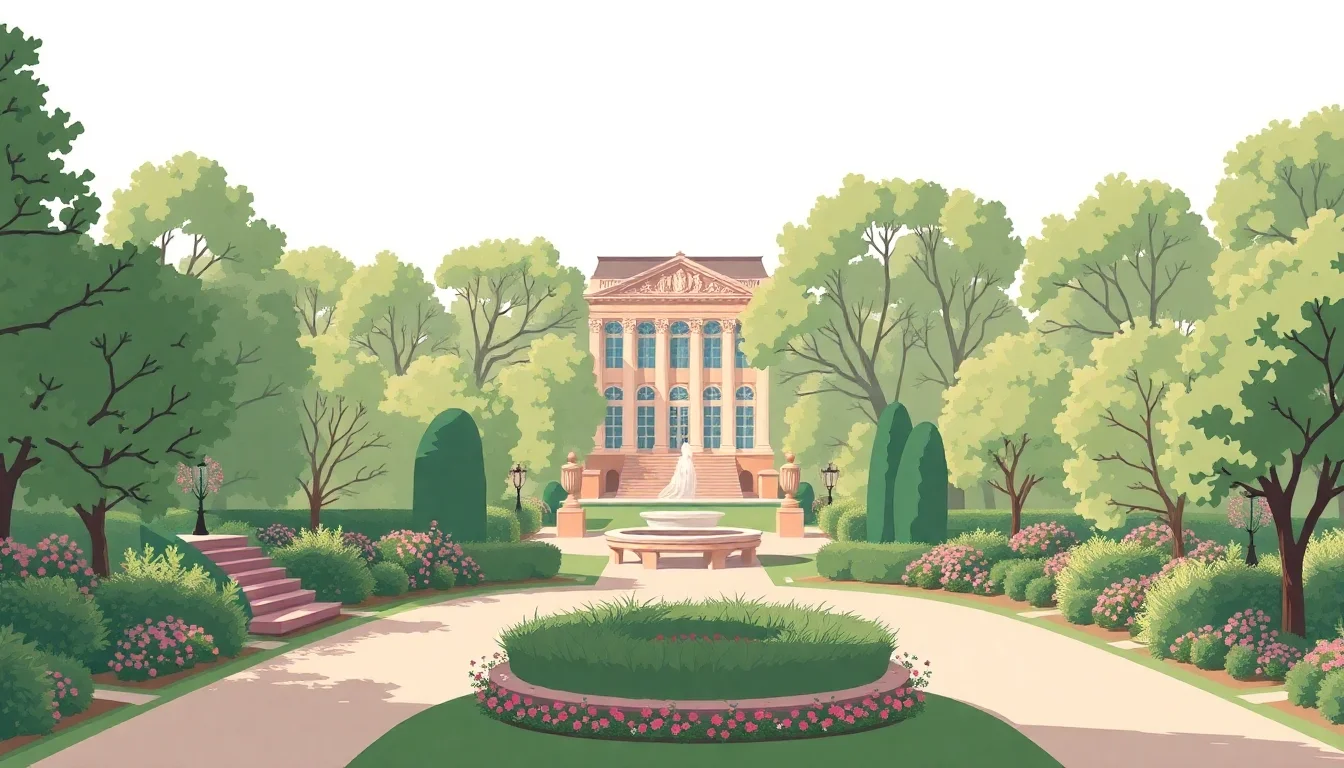
Park design is the deliberate art and science of shaping outdoor public spaces, transforming undeveloped land or existing urban areas into functional, beautiful, and engaging environments. It’s about more than just planting trees and laying down paths; it’s a complex process involving landscape architecture, urban planning, environmental science, and community engagement. The goal is to create spaces that serve diverse human needs—recreation, relaxation, social interaction, ecological restoration—while also contributing positively to the urban fabric and the broader environment. Successful park design fosters a sense of place and belonging, enhancing the quality of life for city dwellers and visitors alike. It’s a critical component of urban planning and landscape architecture, directly impacting a city's vibe score.
📍 Who is Park Design For?
The practice of park design is relevant to a broad spectrum of stakeholders. For urban planners and city officials, it's a tool for improving public health, managing stormwater, and increasing property values. For landscape architects and design firms, it's a professional discipline requiring specialized skills and a deep understanding of ecological principles and human behavior. community groups and residents are vital participants, offering crucial insights into local needs and desires, ensuring parks are truly reflective of the people they serve. Developers also engage with park design, integrating green spaces into new projects to enhance marketability and environmental sustainability. Ultimately, park design is for everyone who uses and benefits from public green spaces.
✨ Key Elements of Great Parks
Exceptional park design hinges on several critical elements. Accessibility is paramount, ensuring people of all ages and abilities can navigate and enjoy the space. Sustainability is no longer an option but a necessity, incorporating native plantings, water-wise irrigation, and permeable surfaces. Safety and security are addressed through thoughtful lighting, clear sightlines, and appropriate amenities. Diverse programming—from playgrounds and sports fields to quiet seating areas and performance spaces—caters to a wide range of activities and user groups. Finally, a strong sense of place, often achieved through unique artistic elements or historical context, makes a park memorable and cherished.
⚖️ The Balancing Act: Function vs. Form
Park design is inherently a negotiation between competing priorities. The engineer in us must consider stormwater management and structural integrity, while the artist yearns for aesthetic beauty and evocative forms. The pragmatist demands durable, low-maintenance materials, while the futurist envisions adaptable spaces that can evolve with changing community needs. Balancing the need for active recreation zones with quiet contemplative areas, or integrating natural habitats with human-centric amenities, requires careful consideration. This tension is where the most innovative and resilient park designs emerge, often leading to controversies over resource allocation and design philosophy.
📈 Trends Shaping Park Design
Current trends in park design reflect a growing awareness of ecological challenges and social equity. Biophilic design, which seeks to connect park users with nature, is gaining traction, emphasizing natural materials and patterns. The rise of climate-resilient design incorporates features like bioswales and drought-tolerant landscaping to mitigate the impacts of climate change. Inclusive design principles ensure parks are welcoming and usable by everyone, regardless of age, ability, or background. Furthermore, there's a growing emphasis on community co-creation, where residents are actively involved in the design process from inception to completion, fostering ownership and ensuring relevance. This shift is pushing the boundaries of what a park can be, moving beyond mere aesthetics to become vital urban infrastructure.
💡 Inspiration & Case Studies
Studying successful parks offers invaluable lessons. Consider the High Line in New York City, a repurposed elevated railway transformed into a linear park, demonstrating how industrial infrastructure can be reimagined for public use and generating significant economic impact. The Parc de la Villette in Paris, with its distinct 'folies' and thematic gardens, showcases how a large urban park can be structured to offer diverse experiences. In Singapore, Gardens by the Bay exemplifies a futuristic approach, blending nature with cutting-edge technology and architectural marvels. These projects, along with countless others documented in landscape architecture journals, provide tangible examples of innovative solutions to complex design challenges, influencing design trends globally.
🛠️ Tools & Technologies
The tools and technologies employed in park design have evolved dramatically. GIS mapping and 3D modeling software (like AutoCAD and SketchUp) allow designers to visualize complex terrain, simulate environmental conditions, and present designs with unprecedented clarity. BIM is increasingly used for large-scale projects, integrating all project data into a single model. Environmental simulation tools help assess factors like solar exposure, wind patterns, and water flow. For community engagement, interactive online platforms and virtual reality experiences are becoming more common, allowing stakeholders to virtually 'walk through' proposed designs and provide feedback. The integration of these technologies accelerates the design process and enhances collaboration.
🌍 Global Perspectives
Park design is a global conversation, with different cultures and climates shaping unique approaches. Scandinavian countries often prioritize minimalist, functional designs that integrate seamlessly with natural landscapes, emphasizing Nordic design principles. In Japan, the meticulous art of Japanese garden design focuses on symbolism, tranquility, and the harmonious arrangement of natural elements. Latin American cities frequently feature vibrant, social plazas that serve as community hubs, reflecting a strong culture of public gathering. Understanding these diverse influences—from the grand boulevards of Paris to the intimate courtyards of Marrakech—enriches the practice and allows for the cross-pollination of ideas, impacting global urbanism.
❓ Frequently Asked Questions
What is the typical lifespan of a park design project? Park design projects can vary significantly in duration. Small-scale renovations might take 6-12 months from conception to completion. Larger, more complex projects, especially those involving significant land acquisition, environmental assessments, and extensive community consultation, can easily span 3-5 years or even longer. Major master-planned parks, like the Presidio in San Francisco, can see development phases stretching over decades. The timeline is heavily influenced by funding availability, regulatory approvals, and the complexity of the site itself.
🚀 Getting Started with Park Design
How can communities get involved in park design? Community involvement is crucial for successful park design. Look for public meetings and workshops hosted by your local parks department or city planning office. Many municipalities have park advisory committees or volunteer groups that welcome new members. Online surveys and feedback portals are also common avenues for input. Attending these sessions, articulating your needs and vision, and collaborating with designers can ensure the park reflects the community's desires. Some projects even utilize participatory design workshops where residents directly contribute to design elements.
Section 11
What are the main challenges in park design? Key challenges include securing adequate funding, navigating complex zoning and environmental regulations, and balancing the diverse, often conflicting, needs of various user groups. Managing public expectations, ensuring long-term maintenance and operational budgets, and adapting designs to unforeseen site conditions or climate impacts are also significant hurdles. The political landscape and potential for NIMBYism can also complicate project timelines and scope.
Section 12
How does park design impact property values? Well-designed and well-maintained parks consistently demonstrate a positive impact on surrounding property values. Proximity to quality green space can increase residential property values by 5-20%, according to various studies. Parks also attract businesses and tourism, contributing to local economic vitality. They enhance a neighborhood's desirability, making it a more attractive place to live, work, and visit, thereby boosting the overall urban economy.
Section 13
What role does sustainability play in modern park design? Sustainability is a foundational principle in contemporary park design. This includes using native and drought-tolerant plants to reduce water consumption, incorporating permeable paving to manage stormwater runoff and reduce flooding, utilizing recycled and locally sourced materials, and designing for energy efficiency in lighting and facilities. Parks are increasingly seen as vital green infrastructure components that provide ecosystem services like air purification, carbon sequestration, and biodiversity support.
Section 14
How can I learn more about park design principles? To deepen your understanding, explore resources from professional organizations like the ASLA and the IFLA. Read industry publications such as Landscape Architecture Magazine and Parks & Recreation. Study case studies of award-winning parks and attend webinars or conferences focused on urban design and landscape architecture. Many universities offer landscape architecture programs that provide comprehensive education in the field.
Section 15
To begin engaging with park design, start by exploring your local parks. What works well? What could be improved? Attend public meetings for upcoming park projects in your area and voice your opinions. If you're a designer, familiarize yourself with urban planning theory and landscape architecture software. For communities, initiate conversations with your local government about park needs and advocate for participatory design processes. Understanding the history of public spaces can also provide valuable context for contemporary design challenges.
Section 16
Related Topics:
Section 17
Section 18
Section 19
Section 20
Section 21
Key Facts
- Year
- Ancient Origins (formalized 18th Century)
- Origin
- Ancient civilizations utilized communal green spaces, but modern park design principles solidified with the English Landscape Movement in the 18th century and the rise of public parks in the 19th century, notably Central Park in New York City (1858).
- Category
- Urban Planning & Design
- Type
- Field of Study/Practice
Frequently Asked Questions
What is the typical lifespan of a park design project?
Park design projects can vary significantly in duration. Small-scale renovations might take 6-12 months from conception to completion. Larger, more complex projects, especially those involving significant land acquisition, environmental assessments, and extensive community consultation, can easily span 3-5 years or even longer. Major master-planned parks, like the Presidio in San Francisco, can see development phases stretching over decades. The timeline is heavily influenced by funding availability, regulatory approvals, and the complexity of the site itself.
How can communities get involved in park design?
Community involvement is crucial for successful park design. Look for public meetings and workshops hosted by your local parks department or city planning office. Many municipalities have park advisory committees or volunteer groups that welcome new members. Online surveys and feedback portals are also common avenues for input. Attending these sessions, articulating your needs and vision, and collaborating with designers can ensure the park reflects the community's desires. Some projects even utilize participatory design workshops where residents directly contribute to design elements.
What are the main challenges in park design?
Key challenges include securing adequate funding, navigating complex zoning and environmental regulations, and balancing the diverse, often conflicting, needs of various user groups. Managing public expectations, ensuring long-term maintenance and operational budgets, and adapting designs to unforeseen site conditions or climate impacts are also significant hurdles. The political landscape and potential for NIMBYism can also complicate project timelines and scope.
How does park design impact property values?
Well-designed and well-maintained parks consistently demonstrate a positive impact on surrounding property values. Proximity to quality green space can increase residential property values by 5-20%, according to various studies. Parks also attract businesses and tourism, contributing to local economic vitality. They enhance a neighborhood's desirability, making it a more attractive place to live, work, and visit, thereby boosting the overall urban economy.
What role does sustainability play in modern park design?
Sustainability is a foundational principle in contemporary park design. This includes using native and drought-tolerant plants to reduce water consumption, incorporating permeable paving to manage stormwater runoff and reduce flooding, utilizing recycled and locally sourced materials, and designing for energy efficiency in lighting and facilities. Parks are increasingly seen as vital green infrastructure components that provide ecosystem services like air purification, carbon sequestration, and biodiversity support.
How can I learn more about park design principles?
To deepen your understanding, explore resources from professional organizations like the ASLA and the IFLA. Read industry publications such as Landscape Architecture Magazine and Parks & Recreation. Study case studies of award-winning parks and attend webinars or conferences focused on urban design and landscape architecture. Many universities offer landscape architecture programs that provide comprehensive education in the field.