
Contents
Overview
Oxytocin is a peptide hormone and neuropeptide that plays a critical role in mammalian social behavior and reproduction. Its influence extends from the primal act of childbirth, where it stimulates maternal bonding, to the complex nuances of human connection, including trust, empathy, and pair bonding. First identified in the early 20th century, oxytocin's dual nature as both a circulating hormone and a neurotransmitter allows it to mediate a wide range of physiological and psychological processes. While widely celebrated for its role in love and social connection, its complex effects and potential for manipulation have also sparked considerable scientific and ethical debate.
🎵 Origins & History
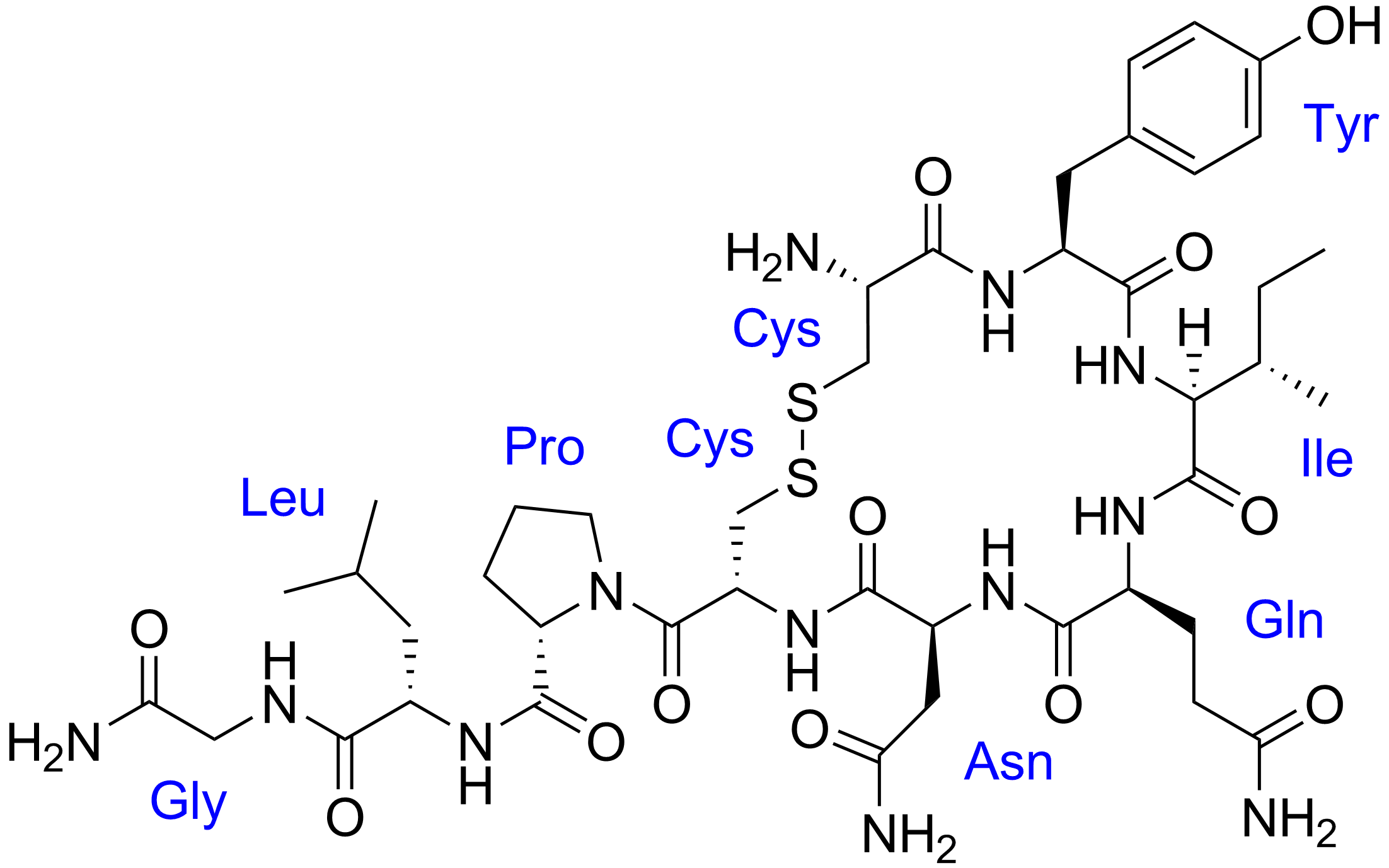
The story of oxytocin begins not with a eureka moment, but with meticulous physiological investigation. Building on earlier research into vasopressin, oxytocin was identified as a cyclic nonapeptide, composed of nine amino acids. The subsequent decades saw an explosion of research, particularly as neuroscientists began to unravel its complex roles in social behavior, moving beyond its well-established obstetric functions.
⚙️ How It Works
Oxytocin's mechanism of action is elegantly dualistic, operating both as a hormone in the bloodstream and a neurotransmitter within the brain. Upon appropriate stimulation—such as suckling during breastfeeding or during childbirth—oxytocin is released into the circulation, where it binds to oxytocin receptors on target cells. In the uterus, this binding triggers smooth muscle contractions, facilitating labor and delivery. In the brain, oxytocin acts on specific neural circuits, modulating social cognition, emotional processing, and reward pathways, thereby fostering feelings of trust, empathy, and attachment. Its release is often governed by positive feedback loops, amplifying its effects during critical periods like childbirth.
📊 Key Facts & Numbers
The impact of oxytocin is quantifiable across various domains. In the realm of social bonding, results vary significantly, though studies have explored its effects on prosocial behaviors. The global market for synthetic oxytocin, primarily used in obstetrics, was valued at over $500 million USD in 2022, with projections indicating steady growth. Research papers citing oxytocin have increased exponentially, with over 10,000 published annually in recent years, reflecting its immense scientific interest. Furthermore, oxytocin's half-life in the bloodstream is remarkably short, typically around 3-5 minutes, necessitating continuous release for sustained effects.
👥 Key People & Organizations
Key figures in oxytocin research include Sir Henry Dale, whose early work laid the foundation for its discovery, and Vincent du Vigneaud, who first synthesized the hormone. Paul Zak, a neuroeconomist, has extensively studied oxytocin's role in trust and economic decision-making, popularizing the term 'love hormone'. Organizations like the National Institute of Child Health and Human Development (NICHD) and numerous university research labs globally, including those at Stanford University and the Max Planck Society, are at the forefront of investigating its multifaceted functions. Pharmaceutical companies such as Novartis and Pfizer are major producers of synthetic oxytocin for medical applications.
🌍 Cultural Impact & Influence
Oxytocin's cultural resonance is profound, earning it the moniker 'love hormone' or 'cuddle chemical' in popular media. Its perceived role in romantic love, maternal bonding, and social connection has permeated literature, film, and everyday conversation, shaping public perception of human relationships. The widespread adoption of this simplified narrative, however, often overshadows the hormone's more complex and sometimes contradictory effects, such as its potential to increase in-group favoritism and out-group hostility. This cultural framing has also fueled interest in its therapeutic potential, influencing how people understand and seek to enhance their social and emotional lives, from self-help books to discussions about neuroscience and psychology.
⚡ Current State & Latest Developments
Current research is rapidly expanding our understanding of oxytocin's intricate roles. Recent studies are exploring its influence on the gut microbiome and its potential therapeutic applications in conditions like autism spectrum disorder and schizophrenia, moving beyond its traditional obstetric use. Investigations are also delving into how oxytocin interacts with other neurotransmitters like dopamine and serotonin to fine-tune social behaviors. Furthermore, the development of more targeted oxytocin receptor agonists and antagonists is a key area of pharmaceutical research, aiming to harness its benefits while mitigating potential side effects. The ethical implications of administering oxytocin for social enhancement are also under active discussion, particularly following its use in experimental settings.
🤔 Controversies & Debates
The popular narrative of oxytocin as a purely benevolent 'love hormone' is a significant point of contention. Skeptics and researchers highlight that oxytocin's effects are highly context-dependent; it can amplify both positive and negative social emotions. For instance, studies have shown that oxytocin can increase trust and generosity towards members of one's own social group but also exacerbate prejudice and aggression towards outsiders. This duality has led to debates about its potential for misuse, such as in coercive social engineering or enhancing in-group bias. The efficacy and long-term safety of intranasal oxytocin for non-medical purposes also remain subjects of ongoing scientific scrutiny and ethical debate, with concerns raised by organizations like the American Psychological Association.
🔮 Future Outlook & Predictions
The future of oxytocin research and application appears poised for significant expansion and refinement. Advances in genomics may allow for the identification of individuals with varying sensitivities to oxytocin, leading to more precise dosing strategies. Furthermore, the development of non-invasive brain stimulation techniques that mimic oxytocin's effects on social cognition is an emerging frontier. However, the ethical landscape will continue to be a critical factor, with ongoing discussions about the boundaries of 'social enhancement' and the potential for exacerbating societal inequalities if access to such therapies is unevenly distributed.
💡 Practical Applications
Beyond its critical role in childbirth, where synthetic oxytocin (often marketed as Pitocin) remains an indispensable tool for inducing or augmenting labor, its practical applications are expanding. Researchers are investigating intranasal oxytocin as a potential treatment for social deficits in autism spectrum disorder, aiming to improve social interaction and communication. It's also being explored for conditions like social anxiety disorder, schizophrenia, and PTSD, with the goal of enhancing empathy and reducing social withdrawal. In animal behavior, oxytocin is studied for its role in companion animal bonding and in managing livestock. The field of neuroeconomics utilizes oxytocin research to understand trust and cooperation in economic contexts, with potential applications in negotiation and team building.
Key Facts
- Category
- science
- Type
- topic