
Contents
Overview
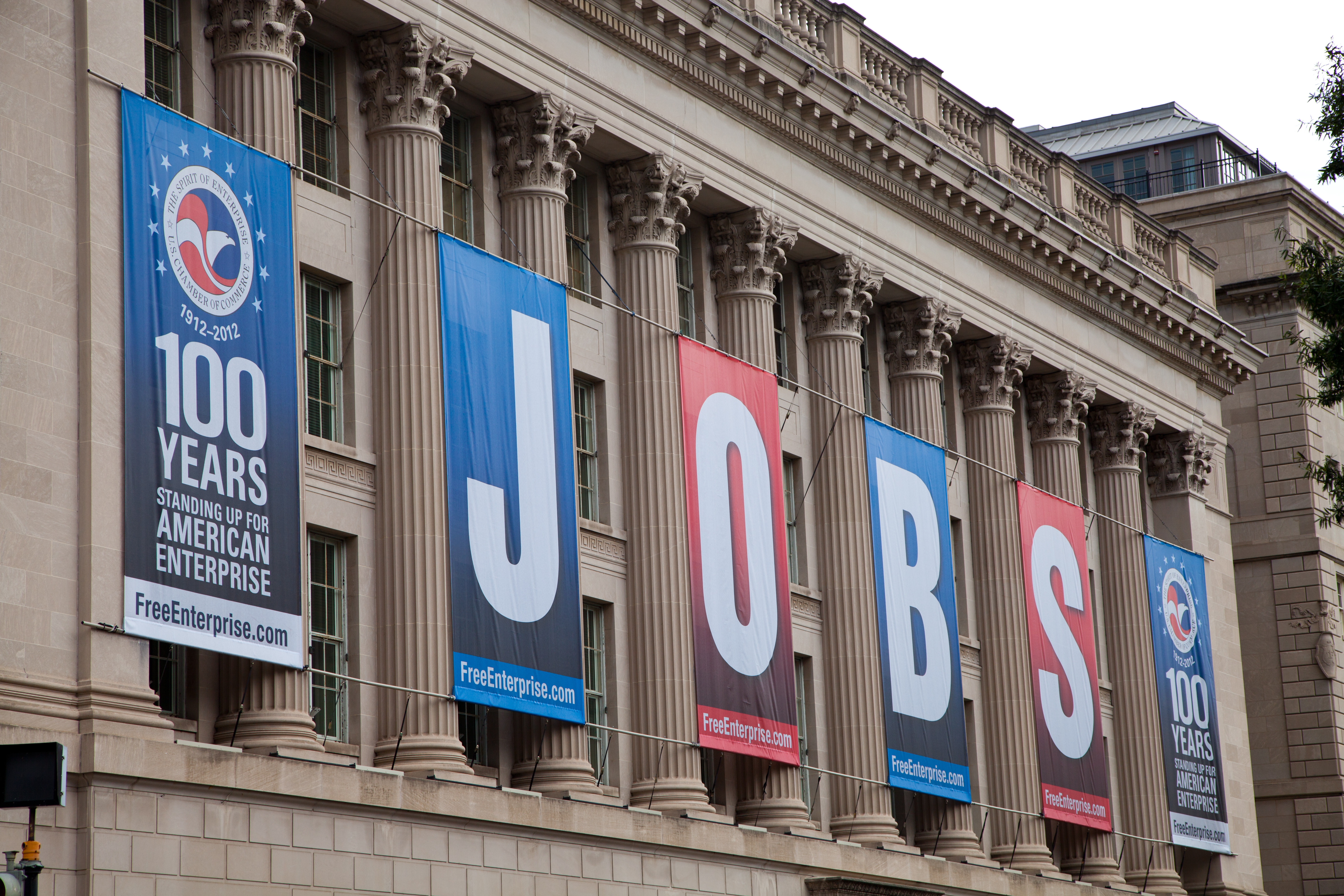
The genesis of the National Chamber of Commerce, specifically the U.S. Chamber of Commerce, arose from the collective efforts of local chambers of commerce, spurred by President William Howard Taft and his Secretary of Commerce and Labor, Charles Nagel. Taft envisioned a singular entity that could articulate business interests authoritatively to the federal government, a concept that resonated deeply within the burgeoning industrial economy of the early 20th century. This foundational period saw the Chamber establish itself as a crucial intermediary, bridging the gap between private enterprise and public policy, and setting a precedent for organized business advocacy that would endure for over a century. The early years were marked by the establishment of its core mission: to promote policies favorable to American businesses and to foster economic growth through legislative engagement and industry support, laying the groundwork for its future influence on American economic policy.
⚙️ How It Works
The operational engine of the National Chamber of Commerce is a sophisticated network of advocacy, policy development, and member services. It functions by aggregating the concerns of its diverse membership – ranging from local small businesses to multinational corporations – and translating these into actionable policy recommendations and lobbying efforts. The Chamber employs thousands of staff, including policy experts, lobbyists, and legal counsel, who engage directly with Congress, the Executive Branch, and regulatory agencies. Through extensive research and data analysis, it crafts white papers, legislative proposals, and public campaigns designed to shape public opinion and legislative outcomes. Furthermore, it facilitates international trade through programs like the U.S. Trade Mission and provides resources and networking opportunities for its constituent chambers and member companies, creating a robust ecosystem of business support and influence.
📊 Key Facts & Numbers
The scale of the National Chamber of Commerce is staggering. Its membership comprises numerous local chambers and trade associations, alongside direct corporate members. This extensive network allows it to mobilize significant resources and political capital, influencing votes on critical legislation affecting sectors from technology and energy to healthcare and finance, demonstrating its profound impact on the nation's economic direction.
👥 Key People & Organizations
At the helm of the U.S. Chamber of Commerce is President and CEO Suzanne Clark, the first woman to hold this top position. Clark, who has a long history with the organization, guides its strategic direction and public face. Key figures in its historical development include its founders, President William Howard Taft and Charles Nagel, who recognized the need for a unified business voice. Prominent business leaders and former government officials often sit on its board of directors, lending their expertise and influence. The organization's structure also includes numerous policy committees and task forces, each focused on specific sectors or issues, drawing in experts from member companies and affiliated organizations like the National Association of Manufacturers and the American Bar Association for input.
🌍 Cultural Impact & Influence
The National Chamber of Commerce has profoundly shaped the narrative and reality of American business and its relationship with government. Its advocacy has been instrumental in the passage of deregulation legislation and the establishment of trade agreements like NAFTA (now USMCA). Culturally, it has promoted a vision of American capitalism that emphasizes free markets, innovation, and global competitiveness, often framing business interests as synonymous with national prosperity. Its influence is visible in the media's coverage of economic policy debates, where the Chamber's pronouncements frequently set the agenda or provide a counterpoint to labor or environmental groups. The organization's consistent presence in policy discussions has solidified its role as a powerful, albeit sometimes polarizing, cultural force in the American discourse on economics.
⚡ Current State & Latest Developments
In the current landscape of 2024-2025, the National Chamber of Commerce remains a formidable force, actively engaging with pressing issues such as AI regulation, climate change policy, and supply chain resilience. Under Suzanne Clark's leadership, the Chamber has increasingly focused on promoting innovation and technological advancement, while also navigating the complexities of global trade tensions and domestic economic policy shifts. Recent initiatives include advocating for workforce development programs to address labor shortages and promoting policies aimed at fostering international investment. The Chamber continues to be a central player in debates surrounding tax policy and healthcare reform, demonstrating its enduring relevance in shaping the future of American commerce and industry.
🤔 Controversies & Debates
The National Chamber of Commerce is no stranger to controversy, with a primary point of contention being the perceived disconnect between its claim to represent all businesses and its funding sources. Critics, including labor unions like the AFL-CIO and environmental advocacy groups, frequently argue that the Chamber prioritizes the interests of its largest corporate donors over those of small business owners or the broader public good. Debates often erupt over its stances on environmental regulations, worker protections, and campaign finance, with opponents accusing the Chamber of actively working to weaken these safeguards. The organization's significant political spending also draws scrutiny, raising questions about transparency and undue influence in the political process. This ongoing tension fuels a persistent debate about the Chamber's true mandate and its impact on democratic governance and economic equity.
🔮 Future Outlook & Predictions
Looking ahead, the National Chamber of Commerce is poised to navigate an increasingly complex global and domestic economic environment. Futurists predict a continued emphasis on technological adoption, particularly in areas like automation and biotechnology, with the Chamber likely advocating for policies that support these advancements. The organization will undoubtedly play a critical role in shaping responses to geopolitical shifts and evolving trade dynamics, potentially pushing for new international agreements or recalibrating existing ones. Furthermore, as concerns around income inequality and sustainability grow, the Chamber may face pressure to adapt its policy positions, potentially leading to internal debates and a recalibration of its advocacy strategies to maintain its broad-based appeal and influence in the decades to come. The challenge will be to balance the demands of its diverse membership with the evolving expectations of society.
💡 Practical Applications
The practical applications of the National Chamber of Commerce's work are far-reaching, impacting businesses daily. For small businesses, the Chamber provides resources, educational materials, and
Key Facts
- Category
- organizations
- Type
- topic