
Contents
Overview
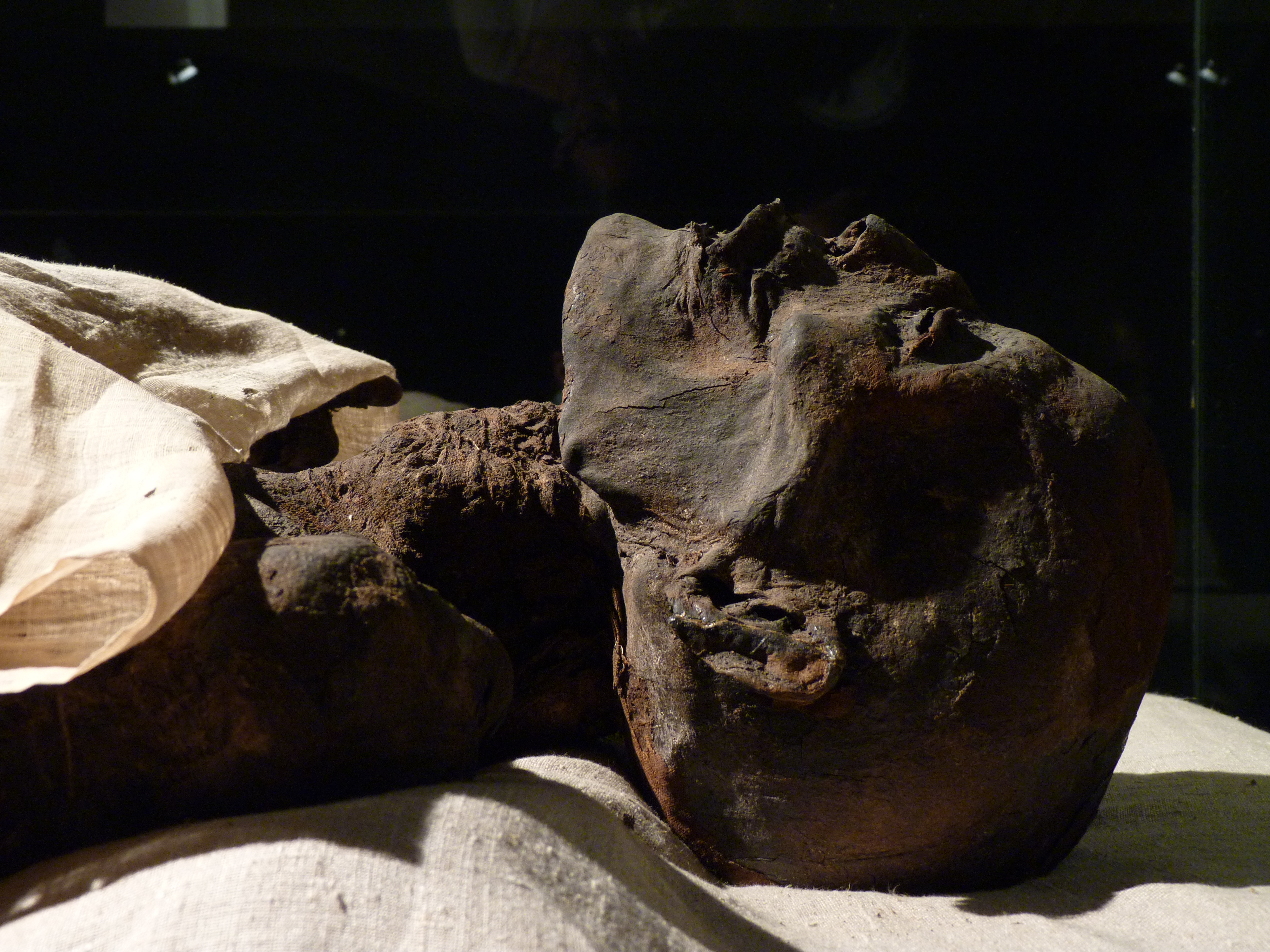
Mummification is the process of preserving a dead body, either through natural desiccation or deliberate embalming, to prevent decay. While accidental preservation has occurred across the globe due to extreme environments like deserts and ice, intentional mummification represents a profound cultural practice, most famously associated with ancient Egypt. This practice, driven by beliefs in the afterlife and the need for the soul to recognize its body, involved complex rituals and chemical treatments. Today, mummies are invaluable historical artifacts, offering unparalleled insights into ancient life, health, diet, and religious beliefs, with ongoing scientific analysis continually revealing new secrets.
🎵 Origins & History
The practice of mummification stretches back millennia. Early artificial mummification predated those of ancient Egypt. Egyptian mummification was deeply intertwined with religious beliefs, particularly the concept of the afterlife and the need for the Ka (life force) to recognize the body. The Egyptians developed sophisticated techniques involving evisceration, desiccation with natron salts, and wrapping in linen bandages. Other cultures, like the Inca in the Andes, also practiced mummification, often burying their elite in sacred mountain caves. Accidental mummification, such as the discovery of the Ötzi the Iceman in the Alps, highlights how natural conditions can also preserve human remains.
⚙️ How It Works
Deliberate mummification typically involves a multi-step process designed to halt decomposition. The first crucial step is dehydration, often achieved by removing internal organs (which decay rapidly) and covering the body with a desiccant like natron salts (a mixture of sodium carbonate and sodium bicarbonate) for extended periods. For artificial mummification, organs were often removed through an incision, with the brain typically being extracted through the nose. The body cavity was then cleaned and packed with natron or other materials. After desiccation, the body was anointed with oils and resins, and then meticulously wrapped in layers of linen bandages, often interspersed with amulets and charms for protection. The entire process, particularly in Egypt, was guided by specific religious texts like the Book of the Dead.
📊 Key Facts & Numbers
Studies on Egyptian mummies show high rates of atherosclerosis even in ancient times. Key figures in the study of mummification include Zahi Hawass, a prominent Egyptian archaeologist focused on Egyptian mummies. Albert Zink has been instrumental in the scientific analysis of naturally preserved mummies. Organizations like the Egyptian Museum in Cairo and the British Museum house vast collections of mummified remains and artifacts, making them central to the preservation and study of this ancient practice. The Smithsonian Institution also holds significant collections and conducts research.
👥 Key People & Organizations
Key figures in the study of mummification include Zahi Hawass, a prominent Egyptian archaeologist focused on Egyptian mummies. Albert Zink has been instrumental in the scientific analysis of naturally preserved mummies. Organizations like the Egyptian Museum in Cairo and the British Museum house vast collections of mummified remains and artifacts, making them central to the preservation and study of this ancient practice. The Smithsonian Institution also holds significant collections and conducts research.
🌍 Cultural Impact & Influence
Mummification has profoundly influenced art, literature, and popular culture, particularly through the enduring image of the Egyptian mummy. The discovery of Tutankhamun's tomb sparked the 'Egyptomania' phenomenon in the early 20th century, influencing fashion, architecture, and film. The mummy became a staple of the horror genre, with films like The Mummy (1932) and its sequels cementing the trope of the reanimated, vengeful mummy. Beyond popular culture, mummification has provided invaluable data for archaeological and anthropological research, allowing scholars to reconstruct ancient diets, diseases, and social structures. The study of mummies has also informed our understanding of human migration patterns and the evolution of ancient technologies.
⚡ Current State & Latest Developments
Current research into mummification focuses on advanced non-invasive imaging techniques to analyze mummified remains without causing further damage. Scientists are also employing DNA analysis to understand ancient populations, diseases, and familial relationships. Studies on Egyptian mummies have revealed the prevalence of diseases like tuberculosis and malaria. Efforts are also underway to better understand the chemical processes involved in both natural and artificial preservation, potentially informing modern preservation techniques for organic materials. The ongoing ethical debate surrounding the display and study of human remains continues to shape how mummies are handled and researched in the 21st century.
🤔 Controversies & Debates
One of the most persistent controversies surrounding mummification involves the ethics of displaying human remains. Museums worldwide grapple with the question of whether it is respectful to exhibit mummies, particularly those of indigenous peoples. The repatriation of mummified remains to their ancestral lands is an ongoing issue, with groups like the Māori in New Zealand advocating for the return of their ancestors' remains. Furthermore, the commercialization of mummies, from early tomb raiding to modern-day tourism, raises ethical concerns about the exploitation of cultural heritage. Debates also exist regarding the scientific methods used, with some arguing that invasive techniques, even if non-destructive, still violate the sanctity of the deceased.
🔮 Future Outlook & Predictions
The future of mummification research lies in further leveraging cutting-edge technologies. Researchers are also exploring the potential for artificial mummification techniques to be adapted for preserving biological samples for medical or scientific purposes, though this remains highly speculative. The ethical discussions surrounding the handling and display of mummified remains will undoubtedly continue to evolve, potentially leading to new protocols for museum curation and repatriation efforts. As technology advances, we may see even more detailed reconstructions of ancient lives emerge from these preserved bodies.
💡 Practical Applications
While deliberate mummification is largely a practice of the past, the principles behind it have practical applications. The use of desiccants and controlled environments to preserve organic materials is fundamental in food preservation, for example, in drying fruits and vegetables. In archaeology and museum science, understanding desiccation and embalming techniques is crucial for the conservation of ancient artifacts and human remains. Furthermore, the scientific study of mummies has provided invaluable data on the history of human diseases, contributing to our understanding of epidemiology and the evolution of pathogens. The chemical compounds used in ancient embalming, like resins and oils, also offer insights into ancient trade routes and resource utilization.
Key Facts
- Category
- history
- Type
- topic