
Contents
- 🚀 Introduction to Mars Sample Return
- 📍 Mission Objectives & Benefits
- 📊 Technical Challenges & Considerations
- 👥 Key Players & Collaborations
- 💰 Funding & Resource Allocation
- 📆 Timeline & Milestones
- 🚫 Challenges & Controversies
- 🔬 Scientific Significance & Potential Discoveries
- 🌐 International Cooperation & Implications
- 🚀 Future Prospects & Next Steps
- Frequently Asked Questions
- Related Topics
Overview
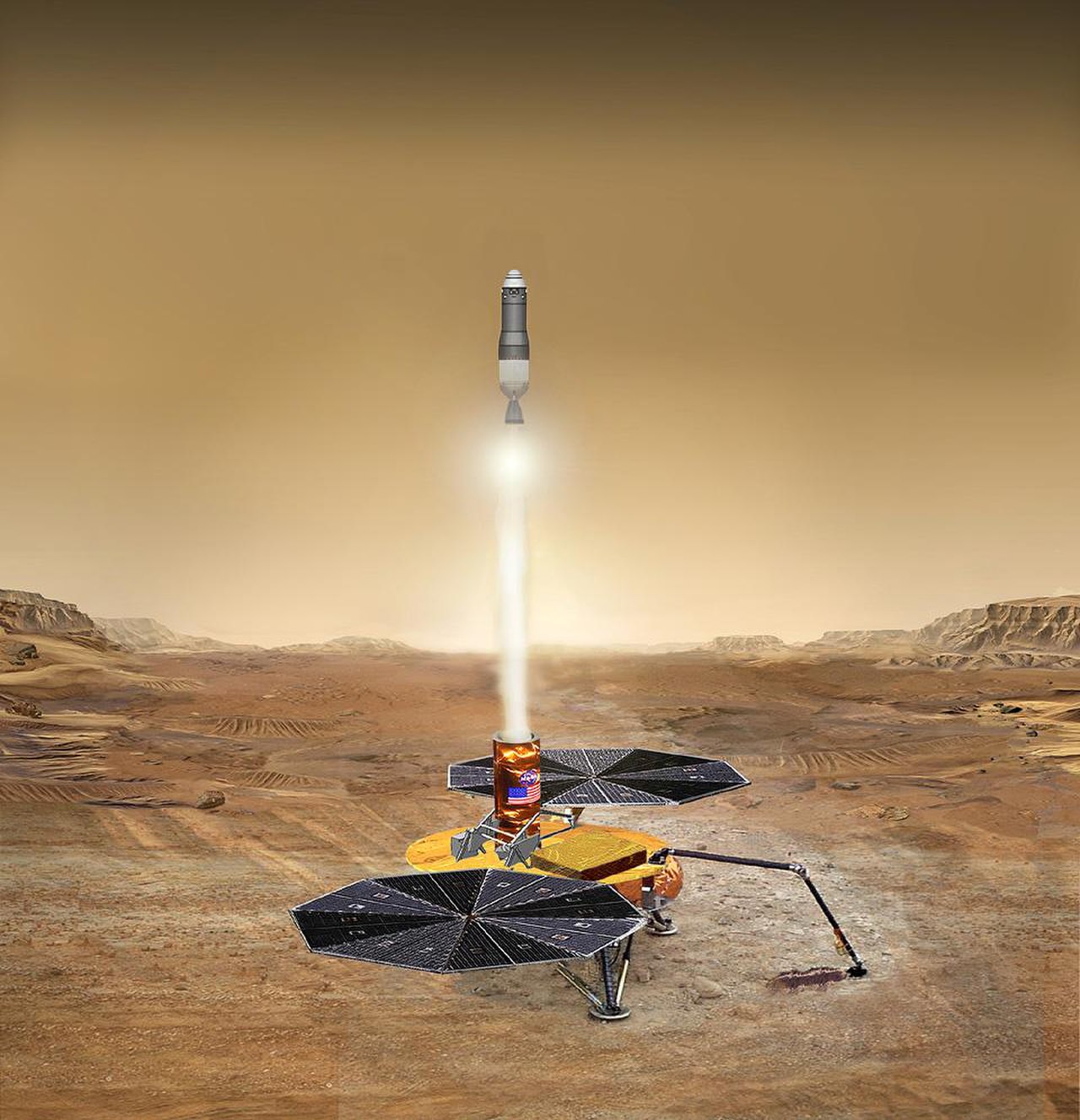
The Mars Sample Return (MSR) mission is a groundbreaking endeavor to retrieve samples from Mars and bring them back to Earth for analysis. Scheduled to launch in the late 2020s, MSR is a collaborative effort between NASA and the European Space Agency (ESA), with a projected cost of over $7 billion. The mission aims to shed light on Mars' geological history, search for signs of life, and better understand the planet's potential habitability. With a vibe rating of 8, the MSR mission has garnered significant attention and excitement within the scientific community, with key players like NASA's Perseverance rover and the ESA's ExoMars rover playing crucial roles. As the mission progresses, it is expected to influence the future of space exploration, with potential implications for human settlements and interplanetary travel. The controversy surrounding the mission's potential risks and challenges, such as sample contamination and planetary protection, has sparked intense debate among experts, with some arguing that the risks outweigh the benefits, while others see it as a necessary step towards advancing our understanding of the universe.
🚀 Introduction to Mars Sample Return
The Mars Sample Return (MSR) mission is a proposed endeavor to collect and return Martian rock and dust samples to Earth, allowing for more in-depth analysis than what is currently possible with onboard sensors. This mission has been a topic of interest for space agencies and scientists for decades, with the potential to greatly enhance our understanding of the Red Planet. For more information on the history of Mars exploration, visit the Mars Exploration page. The MSR mission is a crucial step in the search for life beyond Earth, and its success could have significant implications for the field of Astrobiology. The mission's objectives and benefits are multifaceted, and its potential impact on our understanding of the universe is substantial.
📍 Mission Objectives & Benefits
The primary objective of the MSR mission is to collect and return samples from Mars that can provide valuable insights into the planet's geology, composition, and potential biosignatures. This mission would allow scientists to study the samples in greater detail than is currently possible, using advanced laboratory equipment and techniques. The benefits of the MSR mission are numerous, including the potential to search for signs of life on Mars, understand the planet's climate and geological history, and develop new technologies for future space missions. For more information on the search for life on Mars, visit the Search for Life on Mars page. The MSR mission is also closely related to the field of Planetary Science, which seeks to understand the formation and evolution of planets in our solar system.
📊 Technical Challenges & Considerations
The technical challenges and considerations for the MSR mission are significant, and scientists and engineers are working to develop innovative solutions to overcome these hurdles. One of the main challenges is the development of a reliable and efficient sample collection and storage system, which must be able to withstand the harsh Martian environment and ensure the integrity of the samples. The mission also requires the development of advanced propulsion systems, navigation and communication technologies, and robust landing and ascent vehicles. For more information on the technical aspects of space exploration, visit the Space Technology page. The MSR mission is also dependent on the development of new technologies, such as advanced Life Detection instruments and Sample Analysis techniques.
👥 Key Players & Collaborations
The MSR mission is a collaborative effort between space agencies, governments, and private companies, with NASA, the European Space Agency (ESA), and the Canadian Space Agency (CSA) being some of the key players. The mission requires significant funding and resource allocation, with estimates suggesting that the total cost could exceed $10 billion. The mission's success is also dependent on international cooperation and the sharing of resources, expertise, and risk. For more information on the role of international cooperation in space exploration, visit the International Cooperation in Space page. The MSR mission is also closely related to the field of Space Policy, which seeks to regulate and govern space activities.
💰 Funding & Resource Allocation
The funding and resource allocation for the MSR mission are critical components of its success, with significant investments required for the development of new technologies, infrastructure, and personnel. The mission's budget is expected to be substantial, with estimates suggesting that it could exceed $10 billion over the next decade. The allocation of resources is also a critical aspect of the mission, with scientists and engineers working to optimize the use of limited resources and ensure the success of the mission. For more information on the funding and resource allocation for space missions, visit the Space Funding page. The MSR mission is also dependent on the development of new Space Infrastructure, such as launch vehicles and ground stations.
📆 Timeline & Milestones
The timeline and milestones for the MSR mission are ambitious, with the goal of launching the mission in the late 2020s and returning samples to Earth in the early 2030s. The mission's success is dependent on the achievement of several critical milestones, including the development of a reliable sample collection and storage system, the launch and deployment of the spacecraft, and the successful landing and ascent of the sample return vehicle. For more information on the timeline and milestones for the MSR mission, visit the Mars Sample Return Timeline page. The mission is also closely related to the field of Space Exploration Timelines, which seeks to plan and coordinate space missions.
🚫 Challenges & Controversies
The MSR mission is not without its challenges and controversies, with some scientists and engineers questioning the feasibility and cost-effectiveness of the mission. The mission's success is also dependent on the resolution of several technical and logistical challenges, including the development of a reliable sample collection and storage system, the launch and deployment of the spacecraft, and the successful landing and ascent of the sample return vehicle. For more information on the challenges and controversies surrounding the MSR mission, visit the Mars Sample Return Challenges page. The mission is also closely related to the field of Space Risk Management, which seeks to identify and mitigate risks associated with space missions.
🔬 Scientific Significance & Potential Discoveries
The scientific significance and potential discoveries of the MSR mission are substantial, with the potential to greatly enhance our understanding of the Red Planet and its potential for life. The mission's success could provide valuable insights into the planet's geology, composition, and climate, and could also shed light on the potential for life on Mars. For more information on the scientific significance of the MSR mission, visit the Mars Sample Return Science page. The mission is also closely related to the field of Mars Geology, which seeks to understand the planet's geological history and composition.
🌐 International Cooperation & Implications
The MSR mission has significant implications for international cooperation and the future of space exploration, with the potential to establish a new era of collaboration and cooperation between space agencies and governments. The mission's success could also provide a model for future international cooperation in space, and could help to establish a framework for the sharing of resources, expertise, and risk. For more information on the implications of the MSR mission for international cooperation, visit the International Cooperation in Space page. The mission is also closely related to the field of Space Diplomacy, which seeks to promote cooperation and understanding between nations in space.
🚀 Future Prospects & Next Steps
The future prospects and next steps for the MSR mission are exciting and challenging, with the potential to establish a new era of space exploration and discovery. The mission's success could provide a model for future sample return missions to other planets and moons in our solar system, and could help to establish a framework for the search for life beyond Earth. For more information on the future prospects and next steps for the MSR mission, visit the Mars Sample Return Future page. The mission is also closely related to the field of Space Exploration Future, which seeks to plan and coordinate future space missions.
Key Facts
- Year
- 2028
- Origin
- International Space Cooperation
- Category
- Space Exploration
- Type
- Space Mission
Frequently Asked Questions
What is the primary objective of the Mars Sample Return mission?
The primary objective of the Mars Sample Return mission is to collect and return samples from Mars that can provide valuable insights into the planet's geology, composition, and potential biosignatures. The mission's success could provide a significant enhancement to our understanding of the Red Planet and its potential for life. For more information on the mission's objectives, visit the Mars Sample Return Objectives page. The mission is also closely related to the field of Space Science, which seeks to understand the universe and its many mysteries.
What are the technical challenges and considerations for the Mars Sample Return mission?
The technical challenges and considerations for the Mars Sample Return mission are significant, and scientists and engineers are working to develop innovative solutions to overcome these hurdles. One of the main challenges is the development of a reliable and efficient sample collection and storage system, which must be able to withstand the harsh Martian environment and ensure the integrity of the samples. For more information on the technical aspects of the mission, visit the Mars Sample Return Technology page. The mission is also dependent on the development of new technologies, such as advanced Life Detection instruments and Sample Analysis techniques.
What is the timeline and milestones for the Mars Sample Return mission?
The timeline and milestones for the Mars Sample Return mission are ambitious, with the goal of launching the mission in the late 2020s and returning samples to Earth in the early 2030s. The mission's success is dependent on the achievement of several critical milestones, including the development of a reliable sample collection and storage system, the launch and deployment of the spacecraft, and the successful landing and ascent of the sample return vehicle. For more information on the mission's timeline and milestones, visit the Mars Sample Return Timeline page. The mission is also closely related to the field of Space Exploration Timelines, which seeks to plan and coordinate space missions.
What are the implications of the Mars Sample Return mission for international cooperation and the future of space exploration?
The Mars Sample Return mission has significant implications for international cooperation and the future of space exploration, with the potential to establish a new era of collaboration and cooperation between space agencies and governments. The mission's success could provide a model for future international cooperation in space, and could help to establish a framework for the sharing of resources, expertise, and risk. For more information on the implications of the mission for international cooperation, visit the International Cooperation in Space page. The mission is also closely related to the field of Space Diplomacy, which seeks to promote cooperation and understanding between nations in space.
What are the potential discoveries and scientific significance of the Mars Sample Return mission?
The potential discoveries and scientific significance of the Mars Sample Return mission are substantial, with the potential to greatly enhance our understanding of the Red Planet and its potential for life. The mission's success could provide valuable insights into the planet's geology, composition, and climate, and could also shed light on the potential for life on Mars. For more information on the scientific significance of the mission, visit the Mars Sample Return Science page. The mission is also closely related to the field of Mars Geology, which seeks to understand the planet's geological history and composition.
How does the Mars Sample Return mission relate to the search for life beyond Earth?
The Mars Sample Return mission is a crucial step in the search for life beyond Earth, with the potential to provide valuable insights into the planet's potential for life. The mission's success could help to establish a framework for the search for life on other planets and moons in our solar system, and could provide a model for future sample return missions. For more information on the search for life beyond Earth, visit the Search for Life Beyond Earth page. The mission is also closely related to the field of Astrobiology, which seeks to understand the origins and evolution of life in the universe.
What are the key players and collaborations involved in the Mars Sample Return mission?
The Mars Sample Return mission is a collaborative effort between space agencies, governments, and private companies, with NASA, the European Space Agency (ESA), and the Canadian Space Agency (CSA) being some of the key players. The mission requires significant funding and resource allocation, with estimates suggesting that the total cost could exceed $10 billion. For more information on the key players and collaborations involved in the mission, visit the Mars Sample Return Partnerships page. The mission is also closely related to the field of Space Policy, which seeks to regulate and govern space activities.