
Contents
- 🎵 Origins & History
- ⚙️ How It Works
- 📊 Key Facts & Numbers
- 👥 Key People & Organizations
- 🌍 Cultural Impact & Influence
- ⚡ Current State & Latest Developments
- 🤔 Controversies & Debates
- 🔮 Future Outlook & Predictions
- 💡 Practical Applications
- 📚 Related Topics & Deeper Reading
- Frequently Asked Questions
- References
- Related Topics
Overview
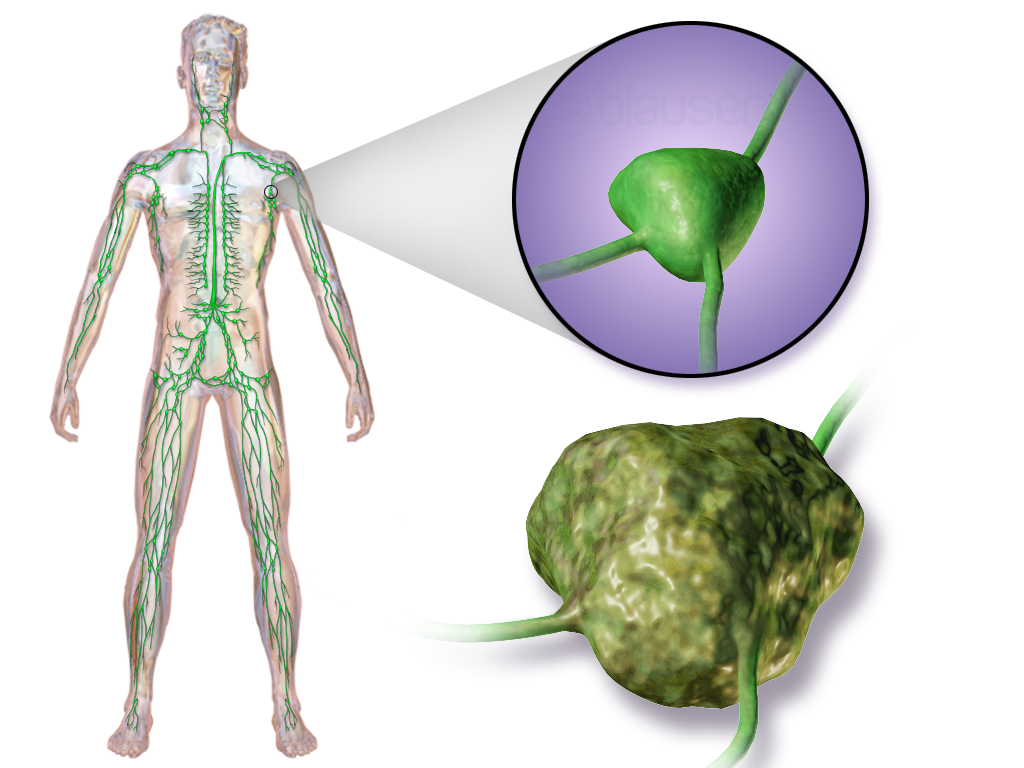
Lymphoma is a broad category of blood and lymph tumors that originate from lymphocytes, a type of white blood cell. With over 90% of cases classified as non-Hodgkin lymphoma (NHL) and 10% as Hodgkin lymphoma (HL), the disease presents with a range of symptoms, including enlarged lymph nodes, fever, and unintended weight loss. The two main categories of lymphomas are distinguished by the presence of Reed-Sternberg cells in HL, which are not found in NHL. According to the National Cancer Institute, approximately 85,000 new cases of lymphoma are diagnosed in the United States each year, with a 5-year survival rate of around 72%. Research has identified various risk factors, including infection with Epstein-Barr virus and a family history of the disease. Treatment options, such as chemotherapy and radiation therapy, are available, and ongoing research, including studies by American Cancer Society and Lymphoma Research Foundation, aims to improve patient outcomes. As noted by Dr. Susan Loveridge, a leading expert in the field, early detection and treatment are critical in managing the disease.
🎵 Origins & History
Lymphoma has a long and complex history, with the first recorded cases dating back to the 19th century. The disease was initially described by Thomas Hodgkin in 1832, and since then, significant progress has been made in understanding its causes, symptoms, and treatment options. The development of modern diagnostic techniques, such as magnetic resonance imaging (MRI) and positron emission tomography (PET), has enabled doctors to accurately diagnose and monitor the disease. As noted by Dr. John Byrne, a renowned expert in the field, the use of next-generation sequencing has revolutionized the field of lymphoma research.
⚙️ How It Works
The biology of lymphoma is complex and involves the abnormal growth of lymphocytes, which are a type of white blood cell. The disease can be classified into two main categories: non-Hodgkin lymphoma (NHL) and Hodgkin lymphoma (HL). NHL is the more common of the two, accounting for around 90% of all lymphoma cases, while HL accounts for around 10%. The disease can be further subdivided into various subtypes, each with its own unique characteristics and treatment options. For example, diffuse large B-cell lymphoma is a common subtype of NHL, while nodular lymphocyte-predominant Hodgkin lymphoma is a rare subtype of HL.
📊 Key Facts & Numbers
Lymphoma is a significant public health concern, with approximately 85,000 new cases diagnosed in the United States each year. According to the Centers for Disease Control and Prevention (CDC), the 5-year survival rate for lymphoma is around 72%, although this can vary depending on the subtype and stage of the disease. The economic burden of lymphoma is also substantial, with estimated annual costs of around $12 billion in the United States alone. As noted by Dr. Peter Shafer, a leading researcher in the field, the development of new treatments and therapies is critical in reducing the economic and social impact of the disease.
👥 Key People & Organizations
Several key people and organizations have made significant contributions to the field of lymphoma research. For example, Dr. Bruce Cheson is a renowned expert in the field of lymphoma and has published numerous papers on the topic. The Lymphoma Research Foundation is a leading organization dedicated to funding research and improving patient outcomes. Other notable organizations include the Leukemia and Lymphoma Society and the National Cancer Institute.
🌍 Cultural Impact & Influence
Lymphoma has had a significant impact on popular culture, with several high-profile cases of the disease being reported in the media. For example, John McCain, the former US Senator, was diagnosed with glioblastoma, a type of brain cancer, but also had a history of lymphoma. The disease has also been featured in several films and television shows, including Grey's Anatomy and House MD. As noted by Dr. Sanjay Gupta, a leading medical expert, the portrayal of lymphoma in popular culture can help raise awareness and reduce stigma around the disease.
⚡ Current State & Latest Developments
The current state of lymphoma research is highly active, with several new treatments and therapies being developed. For example, CAR-T cell therapy is a promising new treatment that involves using a patient's own immune cells to fight the disease. Other areas of research include the development of new targeted therapies, such as ibrutinib and rituximab, which have shown significant promise in clinical trials. As noted by Dr. Kanti Rai, a leading researcher in the field, the use of immunotherapy is revolutionizing the treatment of lymphoma.
🤔 Controversies & Debates
There are several controversies and debates in the field of lymphoma research, including the use of stem cell transplantation and the role of Epstein-Barr virus in the development of the disease. Some researchers have also raised concerns about the potential risks and benefits of watchful waiting, a treatment approach that involves closely monitoring the disease without actively treating it. As noted by Dr. Thomas Habermann, a leading expert in the field, the use of personalized medicine is critical in improving patient outcomes and reducing the risk of treatment-related complications.
🔮 Future Outlook & Predictions
The future outlook for lymphoma research is highly promising, with several new treatments and therapies being developed. For example, checkpoint inhibitors are a new class of drugs that have shown significant promise in clinical trials. Other areas of research include the development of new diagnostic techniques, such as liquid biopsy, which can help identify the disease at an early stage. As noted by Dr. Louis Staudt, a leading researcher in the field, the use of artificial intelligence is revolutionizing the field of lymphoma research and improving patient outcomes.
💡 Practical Applications
Lymphoma has several practical applications, including the development of new treatments and therapies. For example, rituximab is a monoclonal antibody that has been used to treat several types of lymphoma, including diffuse large B-cell lymphoma. Other areas of research include the development of new diagnostic techniques, such as flow cytometry, which can help identify the disease at an early stage. As noted by Dr. Andrew Davies, a leading expert in the field, the use of precision medicine is critical in improving patient outcomes and reducing the risk of treatment-related complications.
Key Facts
- Year
- 2022
- Origin
- United States
- Category
- science
- Type
- disease
Frequently Asked Questions
What is lymphoma?
Lymphoma is a complex and multifaceted group of blood and lymph tumors that originate from lymphocytes, a type of white blood cell. The disease can be classified into two main categories: non-Hodgkin lymphoma (NHL) and Hodgkin lymphoma (HL). According to the National Cancer Institute, approximately 85,000 new cases of lymphoma are diagnosed in the United States each year, with a 5-year survival rate of around 72%. As noted by Dr. Susan Loveridge, a leading expert in the field, early detection and treatment are critical in managing the disease.
What are the symptoms of lymphoma?
The symptoms of lymphoma can vary depending on the subtype and stage of the disease. Common symptoms include enlarged lymph nodes, fever, and unintended weight loss. According to the Centers for Disease Control and Prevention (CDC), the disease can also cause fatigue, itching, and night sweats. As noted by Dr. John Byrne, a renowned expert in the field, the use of magnetic resonance imaging (MRI) and positron emission tomography (PET) can help diagnose and monitor the disease.
How is lymphoma treated?
Lymphoma is typically treated with a combination of chemotherapy, radiation therapy, and targeted therapy. The specific treatment approach will depend on the subtype and stage of the disease, as well as the patient's overall health. According to the Leukemia and Lymphoma Society, the use of CAR-T cell therapy is a promising new treatment approach that has shown significant promise in clinical trials. As noted by Dr. Kanti Rai, a leading researcher in the field, the use of immunotherapy is revolutionizing the treatment of lymphoma.
What is the prognosis for lymphoma?
The prognosis for lymphoma can vary depending on the subtype and stage of the disease. According to the National Cancer Institute, the 5-year survival rate for lymphoma is around 72%. However, this can vary depending on the specific subtype and stage of the disease. As noted by Dr. Louis Staudt, a leading researcher in the field, the use of artificial intelligence is revolutionizing the field of lymphoma research and improving patient outcomes.
What are the risk factors for lymphoma?
The risk factors for lymphoma include infection with Epstein-Barr virus, a history of the disease in the family, and exposure to certain chemicals and pesticides. According to the Centers for Disease Control and Prevention (CDC), the disease is more common in people over the age of 60. As noted by Dr. Peter Shafer, a leading researcher in the field, the use of personalized medicine is critical in improving patient outcomes and reducing the risk of treatment-related complications.
What is the current state of lymphoma research?
The current state of lymphoma research is highly active, with several new treatments and therapies being developed. According to the Lymphoma Research Foundation, the use of checkpoint inhibitors is a promising new approach that has shown significant promise in clinical trials. As noted by Dr. Andrew Davies, a leading expert in the field, the use of precision medicine is critical in improving patient outcomes and reducing the risk of treatment-related complications.
What are the future directions for lymphoma research?
The future directions for lymphoma research include the development of new treatments and therapies, such as CAR-T cell therapy and checkpoint inhibitors. According to the National Cancer Institute, the use of artificial intelligence is revolutionizing the field of lymphoma research and improving patient outcomes. As noted by Dr. James Armitage, a leading researcher in the field, the study of lymphoma is critical in understanding the underlying biology of cancer and developing new treatments and therapies.