
Contents
Overview
Literary translation is the complex art of rendering a work of fiction, poetry, or drama from one language into another, aiming to preserve not just the literal meaning but also the style, tone, and cultural nuances of the original. It's a delicate balancing act, often described as an impossible task, where translators grapple with idioms, cultural references, and stylistic choices that defy direct equivalence. This practice is crucial for the global dissemination of literature, allowing readers to access stories and perspectives from vastly different cultures. Despite the rise of machine translation tools like Google Translate, human literary translators remain indispensable for capturing the soul of a text, a process that can take years and involves deep cultural understanding and linguistic mastery. The field is marked by ongoing debates about fidelity versus readability, the translator's voice versus the author's, and the very possibility of truly equivalent cross-cultural communication.
🎵 Origins & History
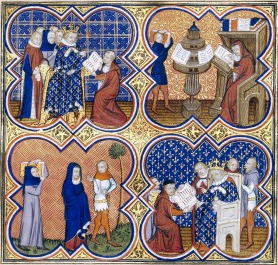
The earliest known examples of literary translation involved the translation of religious and epic texts. Ancient Greek and Latin texts were pivotal in shaping Roman literature, with figures like Cicero (106-43 BCE) famously stating his aim was not to translate word-for-word but to convey the overall form and force of the original. During the Middle Ages, the translation of religious texts, particularly the Bible, was a central concern. The Renaissance saw a surge in translating classical literature, fueling intellectual and artistic movements across Europe. The 20th century witnessed an explosion in translated works, driven by increased global connectivity and a growing appreciation for diverse literary traditions, with figures like Constance Garnett introducing Russian literature to English readers.
⚙️ How It Works
Literary translation is a nuanced process that goes far beyond simple word substitution. A translator must first deeply understand the source text, including its historical context, cultural references, authorial intent, and stylistic devices like metaphor, irony, and rhythm. Then, they must find equivalent expressions in the target language that evoke a similar emotional and intellectual response in the reader. This involves making critical decisions about whether to prioritize literal accuracy (fidelity) or natural flow and readability in the target language. For instance, translating a pun or a culturally specific idiom requires immense creativity to find a comparable effect without losing the original humor or meaning. The translator acts as a cultural mediator, bridging the gap between two linguistic worlds, and their choices profoundly shape how a foreign work is perceived by a new audience.
📊 Key Facts & Numbers
Literary translation is a cornerstone of global cultural exchange, enabling the cross-pollination of ideas, narratives, and artistic sensibilities. It allows readers to engage with the worldviews and experiences of other cultures, fostering empathy and understanding. The translation of Haruki Murakami's novels has introduced millions worldwide to contemporary Japanese fiction. Furthermore, translated literature often influences domestic literary trends, introducing new styles, genres, and thematic concerns. The availability of translated works broadens the literary canon, challenging Eurocentric perspectives and enriching the global literary conversation. The success of translated authors like Yiyun Li demonstrates the growing appetite for diverse voices.
👥 Key People & Organizations
Key figures in literary translation include Constance Garnett (1861-1946), who translated over 70 volumes of Russian literature, including works by Leo Tolstoy and Fyodor Dostoevsky, shaping early English perceptions of Russian authors. Gregory Rabassa (1922-2016) is renowned for his translations of Gabriel García Márquez and Julio Cortázar, bringing magical realism to a wider audience. More recently, Ann Goldstein has translated numerous works by Elena Ferrante, contributing to the author's global phenomenon. Organizations like the American Literary Translators Association (ALTA) and the Society of Authors in the UK advocate for translators' rights and promote the art. The late Sinologist Stephen Owen (1946-2024) was a celebrated translator of classical Chinese poetry, including his eight-year project to translate the complete works of Du Fu.
🌍 Cultural Impact & Influence
Literary translation is a cornerstone of global cultural exchange, enabling the cross-pollination of ideas, narratives, and artistic sensibilities. It allows readers to engage with the worldviews and experiences of other cultures, fostering empathy and understanding. The translation of Haruki Murakami's novels has introduced millions worldwide to contemporary Japanese fiction. Furthermore, translated literature often influences domestic literary trends, introducing new styles, genres, and thematic concerns. The availability of translated works broadens the literary canon, challenging Eurocentric perspectives and enriching the global literary conversation. The success of translated authors like Yiyun Li demonstrates the growing appetite for diverse voices.
⚡ Current State & Latest Developments
The landscape of literary translation is currently experiencing significant shifts. While traditional print translations remain vital, the digital age has opened new avenues for dissemination, including online literary journals and e-books. The rise of machine translation (MT) technologies, such as deep learning AI, has sparked debate about their role. While MT can provide rapid, albeit often imperfect, translations, literary translators argue that it lacks the nuance, cultural understanding, and artistic sensibility required for high-quality literary work. Initiatives like Project Gutenberg and Internet Archive are digitizing older translated works, increasing accessibility. There's also a growing focus on translating from less commonly translated languages, aiming to diversify the global literary marketplace and bring previously unheard voices to the forefront.
🤔 Controversies & Debates
The most persistent controversy in literary translation revolves around the translator's role: are they invisible conduits or active co-creators? Some critics advocate for a 'transparent' translation that disappears, allowing the author's voice to dominate. Others argue that the translator's interpretation and stylistic choices are inherent to the translation, making them a necessary, albeit secondary, authorial presence. The debate over 'fidelity' versus 'readability' is also ongoing: should a translation strictly adhere to the source text's structure and vocabulary, potentially sounding awkward in the target language, or should it prioritize naturalness and flow, risking deviation from the original? Furthermore, issues of fair compensation and copyright for translators remain contentious, with many advocating for better contracts and royalties. The question of whether machine translation can ever truly replicate human literary translation is another significant point of contention.
🔮 Future Outlook & Predictions
The future of literary translation is likely to be shaped by the ongoing interplay between human expertise and technological advancement. While AI may become a more sophisticated tool for initial drafts or for translating less complex texts, the demand for skilled human translators capable of capturing literary nuance and cultural depth is expected to persist. There's a growing trend towards translating from a wider array of languages, moving beyond the dominant European and East Asian literary traditions. Increased global mobility and digital platforms may also foster more collaborative translation projects. The potential for interactive or 'living' translations, perhaps incorporating multimedia elements or real-time reader feedback, remains an intriguing, albeit speculative, possibility. Ultimately, the future hinges on continued investment in training, fair compensation, and recognition for literary translators.
💡 Practical Applications
Literary translation's primary application is making foreign literature accessible to domestic
Key Facts
- Category
- culture
- Type
- topic