
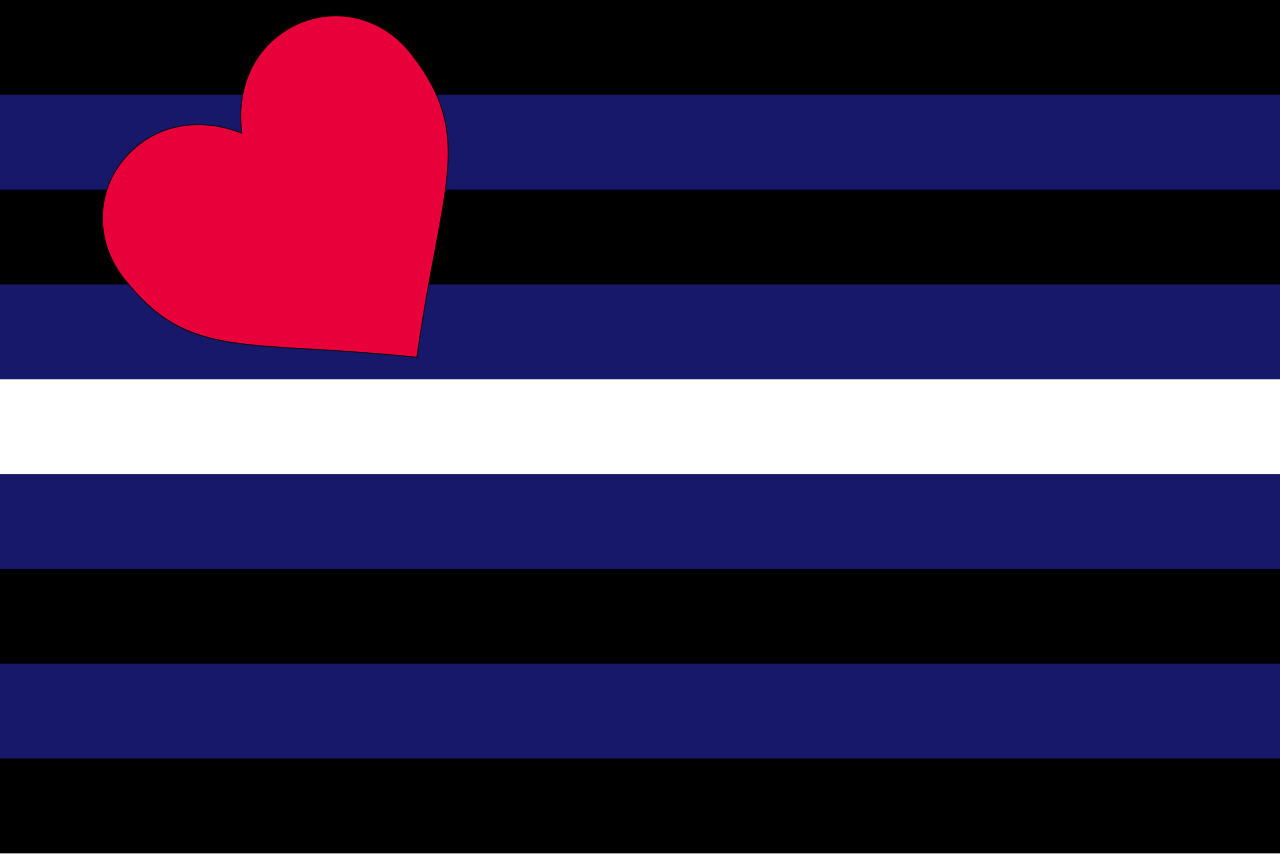
Contents
Overview
The Leather Community is a vibrant and diverse subculture where leather, latex, and fetishwear are not just clothing but symbols of identity, sexual expression, and community belonging. Originating primarily within LGBTQIA+ spaces, particularly among gay men in the mid-20th century, it has since expanded to encompass individuals of all genders and sexual orientations who share an appreciation for the aesthetic and sensual qualities of these materials.
At its core, the Leather Community is built on shared values of consent, respect, and inclusivity. While often associated with specific sexual practices like BDSM, the community's scope extends far beyond the bedroom. It encompasses a rich tapestry of social events, from intimate gatherings and private parties to large-scale public festivals and educational workshops. These events serve as crucial spaces for connection, self-discovery, and the celebration of shared interests and identities.
The visual language of the Leather Community is unmistakable: gleaming black leather, sharp metal hardware, and form-fitting latex are common elements. This aesthetic is not merely about fashion; it's a deliberate reclamation of materials often associated with power, dominance, and sensuality, transforming them into expressions of personal freedom and collective identity. The community actively engages in discussions and education around safe practices, consent, and the history and evolution of leather and fetish culture.
Origins and Early Development
The roots of the modern Leather Community can be traced back to the post-World War II era, with significant growth occurring in the 1950s and 1960s, particularly in urban centers like San Francisco and New York. Early adopters, often gay men, found in leather attire a way to express a sense of toughness, rebellion, and sexual liberation that contrasted with the prevailing social norms. The emergence of leather bars, such as the iconic The Stud in San Francisco (which became a hub for leather culture), provided vital social spaces for this burgeoning community. These venues were more than just bars; they were sanctuaries where individuals could explore their identities and desires openly, fostering a sense of solidarity and belonging. The aesthetic often drew inspiration from motorcycle culture, military uniforms, and working-class imagery, reinterpreting these elements through a distinctly queer lens.
Evolution and Expansion
Over the decades, the Leather Community has evolved and diversified. While still strongly associated with gay male culture, it has become increasingly welcoming and inclusive of women, transgender individuals, and people of all sexual orientations who share an interest in leather and fetishwear. Organizations like the Leather Dykes MC and groups focused on leatherwomen have been instrumental in broadening the community's reach. The development of large-scale events like the International Mr. Leather (IML) competition in Atlanta, which began in 1979, and the Leather Mister World competition, have become significant milestones, showcasing talent, fostering camaraderie, and raising the profile of the culture globally. These events often include educational components, contests, and social gatherings, reflecting the multifaceted nature of the community.
Community Values and Practices
The enduring appeal of the Leather Community lies in its ability to offer a powerful sense of identity and belonging. For many, leather and fetishwear represent a form of self-expression that is both deeply personal and communally validated. It's a space where individuals can explore power dynamics, sensuality, and intimacy in a consensual and affirming environment. The community actively works to educate its members and the public about safe sex practices, consent protocols, and the history of leather and fetish culture, ensuring its continued relevance and responsible growth. As societal attitudes towards sexuality and identity continue to shift, the Leather Community remains a dynamic and influential force, adapting and expanding while holding firm to its core values of respect, freedom, and authentic self-expression.
Cultural Influence and Contemporary Relevance
The visual language of the Leather Community has permeated mainstream culture in various ways, influencing fashion, film, and art. Designers have frequently incorporated leather and fetish-inspired elements into their collections, and artists have explored themes of power, sexuality, and identity within the context of leather subcultures. The community's emphasis on consent and communication has also contributed to broader conversations about healthy relationships and sexual ethics. Despite its growing visibility, the Leather Community continues to navigate the tension between its desire for public recognition and the need to maintain private spaces for its members to explore their identities freely. The ongoing challenge is to foster understanding and acceptance without compromising the integrity and safety of the community itself.
Key Facts
- Year
- mid-1950s-present
- Origin
- Primarily urban centers in the United States, spreading globally
- Category
- music
- Type
- subculture