
Contents
- 📍 The Kidney: Your Body's Master Filter
- ⚙️ How Kidneys Actually Work: A Microscopic Marvel
- ⚖️ Kidney Health: The Vibe Score and What Affects It
- 🏥 When Kidneys Need Help: Common Issues & Treatments
- 🔄 Kidney Transplants: A Second Chance at Life
- 💡 The Future of Kidney Care: Innovation on the Horizon
- 📚 Essential Reading for Kidney Enthusiasts
- ❓ Frequently Asked Questions About Kidneys
- Frequently Asked Questions
- Related Topics
Overview
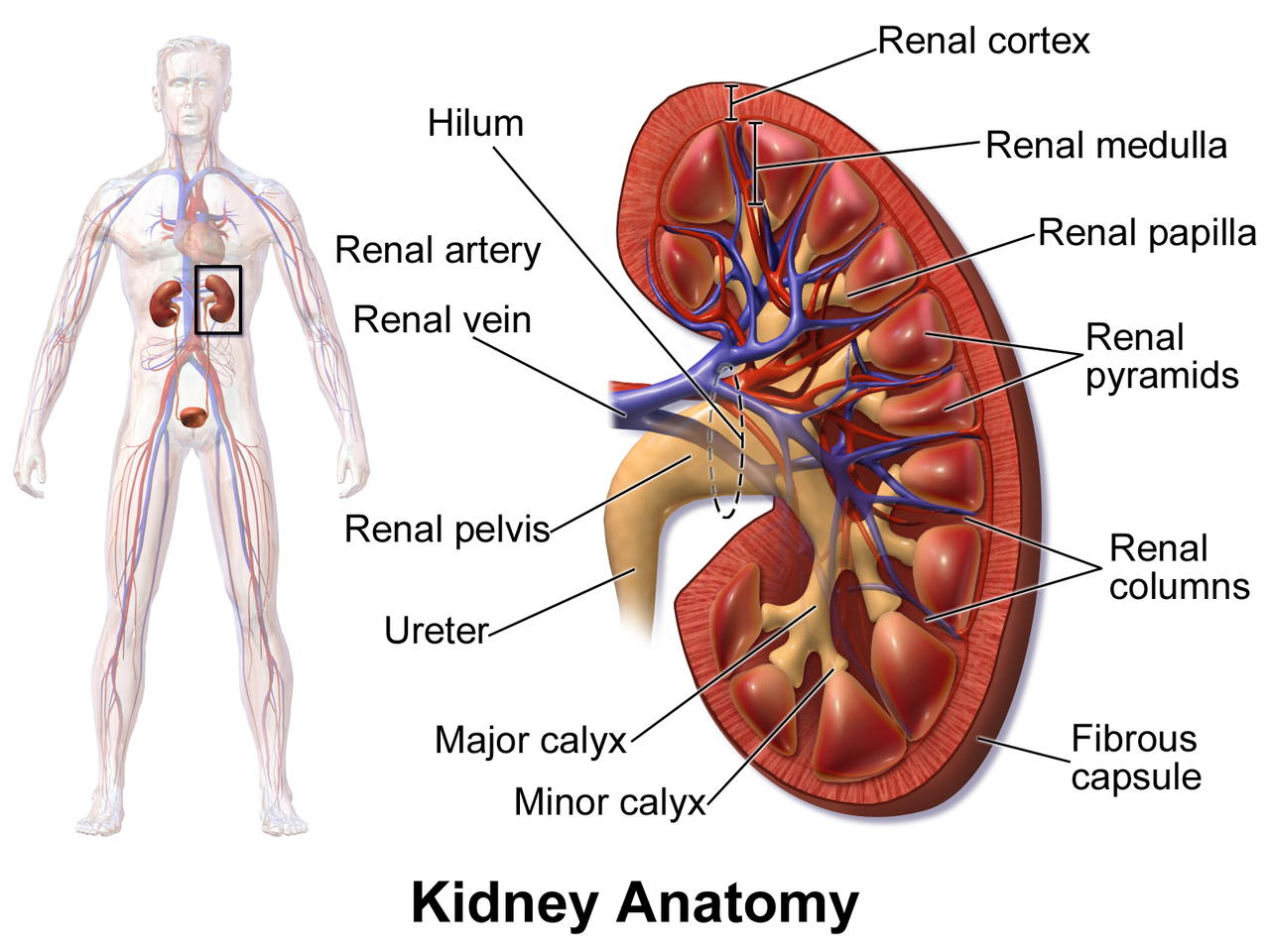
The kidneys, those two reddish-brown, bean-shaped powerhouses nestled in your retroperitoneal space, are far more than just passive filters. Each adult kidney, typically around 12 centimeters long, is a complex organ responsible for a staggering array of bodily functions. They meticulously manage your body's fluid balance, regulate blood pressure through the renin-angiotensin system, and are crucial for producing essential hormones like erythropoietin, which stimulates red blood cell production. Their primary role, however, is filtering waste products from your blood, a process that keeps your internal environment clean and stable. Without these diligent organs, toxins would rapidly accumulate, leading to catastrophic health consequences.
⚙️ How Kidneys Actually Work: A Microscopic Marvel
The true magic of the kidney lies within its microscopic architecture. Each kidney contains about a million nephrons, the functional units where blood filtration and urine formation occur. Blood enters the glomerulus, a tiny network of capillaries, where waste products, excess salts, and water are filtered out. This filtrate then travels through the renal tubules, where essential substances like glucose and amino acids are reabsorbed back into the bloodstream, and further waste is secreted. The remaining fluid, now concentrated urine, journeys down the ureters to the bladder for storage and eventual excretion. This intricate process, happening continuously, ensures your blood remains pure.
⚖️ Kidney Health: The Vibe Score and What Affects It
Assessing kidney health isn't just about a single number; it's a complex calculation of various physiological markers. At Vibepedia, we've developed a Vibe Score (0-100) that attempts to synthesize these factors, reflecting the organ's overall functional energy and resilience. Factors like GFR, blood creatinine, and blood pressure readings are paramount. A consistently high Vibe Score indicates robust kidney function, while a declining score signals potential issues that warrant immediate attention. Lifestyle choices, from diet to exercise, significantly impact this score, underscoring the proactive role individuals play in their kidney well-being.
🏥 When Kidneys Need Help: Common Issues & Treatments
When kidneys falter, the consequences can be severe, ranging from mild UTIs to life-threatening kidney failure. Common ailments include kidney stones, painful mineral deposits that can obstruct urine flow, and glomerulonephritis, inflammation of the filtering units. Chronic kidney disease (CKD), often a silent progression, can lead to irreversible damage over time, frequently linked to diabetes and hypertension. Treatment strategies vary widely, from dietary adjustments and medications to more invasive procedures aimed at managing symptoms and preserving remaining function.
🔄 Kidney Transplants: A Second Chance at Life
For individuals facing end-stage kidney disease, a kidney transplant offers a transformative second chance. This complex surgical procedure involves replacing a diseased kidney with a healthy one from a donor, either living or deceased. While a life-saving intervention, transplants come with significant challenges, including the lifelong need for immunosuppressant drugs to prevent rejection and the constant vigilance required to monitor for complications. The success rates have improved dramatically over the decades, making it a beacon of hope for many, though the demand for donor organs far outstrips supply.
💡 The Future of Kidney Care: Innovation on the Horizon
The future of kidney care is brimming with innovation, moving beyond traditional treatments. artificial kidney technologies, designed to mimic the filtering function of natural kidneys, are progressing rapidly, offering potential alternatives to dialysis and transplantation. gene therapy and stem cell research hold promise for repairing damaged kidney tissue and even regenerating failing organs. Furthermore, advancements in precision medicine are enabling more personalized treatment plans, tailoring interventions to an individual's genetic makeup and specific disease profile, aiming to prevent disease progression before it becomes irreversible.
📚 Essential Reading for Kidney Enthusiasts
For those seeking to deepen their understanding of these vital organs, several resources are invaluable. The National Kidney Foundation offers comprehensive guides on kidney health and disease. For a more clinical perspective, "Brenner & Rector's The Kidney" is a definitive textbook. For historical context, exploring the evolution of dialysis technology from Willem Kolff's early machines to modern devices provides a fascinating narrative. Understanding the renal system is fundamental to appreciating the intricate balance of human physiology.
❓ Frequently Asked Questions About Kidneys
Navigating the world of kidney health can bring up many questions. How much water should I drink daily? While general recommendations exist, individual needs vary based on activity level and climate, but aiming for clear or pale yellow urine is a good indicator. What are the early signs of kidney disease? Often, there are no early symptoms, which is why regular check-ups are crucial, especially for those with risk factors like high blood pressure or a family history. Can I live with just one kidney? Yes, most people can live a healthy life with a single functioning kidney, as it can often compensate for the loss of the other.
Section 9
Kidney health is a critical component of overall well-being, and understanding their function, potential issues, and future innovations is paramount. From the microscopic marvel of the nephron to the complex world of transplantation and emerging technologies, the journey of kidney care is one of continuous discovery and adaptation. The interplay between genetics, lifestyle, and medical intervention shapes the trajectory of kidney health for millions worldwide.
Key Facts
- Year
- Ancient Times
- Origin
- Evolved Biological Structures
- Category
- Human Anatomy & Physiology
- Type
- Biological Organ
Frequently Asked Questions
What are the main functions of the kidneys?
The kidneys are primarily responsible for filtering waste products and excess water from the blood to produce urine. They also play vital roles in regulating blood pressure, maintaining electrolyte balance, stimulating red blood cell production, and activating vitamin D for bone health. Their continuous work ensures the body's internal environment remains stable and free from toxic buildup.
What is the difference between acute and chronic kidney disease?
Acute kidney injury (AKI) is a sudden loss of kidney function that occurs over hours or days, often reversible with prompt treatment. Chronic kidney disease (CKD), on the other hand, is a gradual loss of kidney function that occurs over months or years, typically irreversible and progressive. CKD is often linked to long-term conditions like diabetes and high blood pressure, while AKI can be caused by infections, certain medications, or severe dehydration.
How can I keep my kidneys healthy?
Maintaining healthy kidneys involves several lifestyle choices. Staying hydrated, managing blood pressure and blood sugar levels, eating a balanced diet low in sodium and processed foods, exercising regularly, and avoiding excessive use of NSAID pain relievers are key. Regular medical check-ups, especially if you have risk factors for kidney disease, are also crucial for early detection and management.
What are kidney stones and how are they treated?
Kidney stones are hard deposits made of minerals and salts that form inside your kidneys. They can cause severe pain as they move through the urinary tract. Treatment depends on the size and type of stone; small stones may pass on their own with increased fluid intake, while larger ones might require medical procedures like lithotripsy (using sound waves to break up stones) or surgery.
What is dialysis and when is it necessary?
Dialysis is a medical treatment that artificially performs the functions of the kidneys when they have failed. It removes waste products and excess fluid from the blood. Dialysis is typically necessary when a person's kidney function has declined to a point where it can no longer sustain life, a condition known as end-stage renal disease (ESRD).