
Contents
Overview
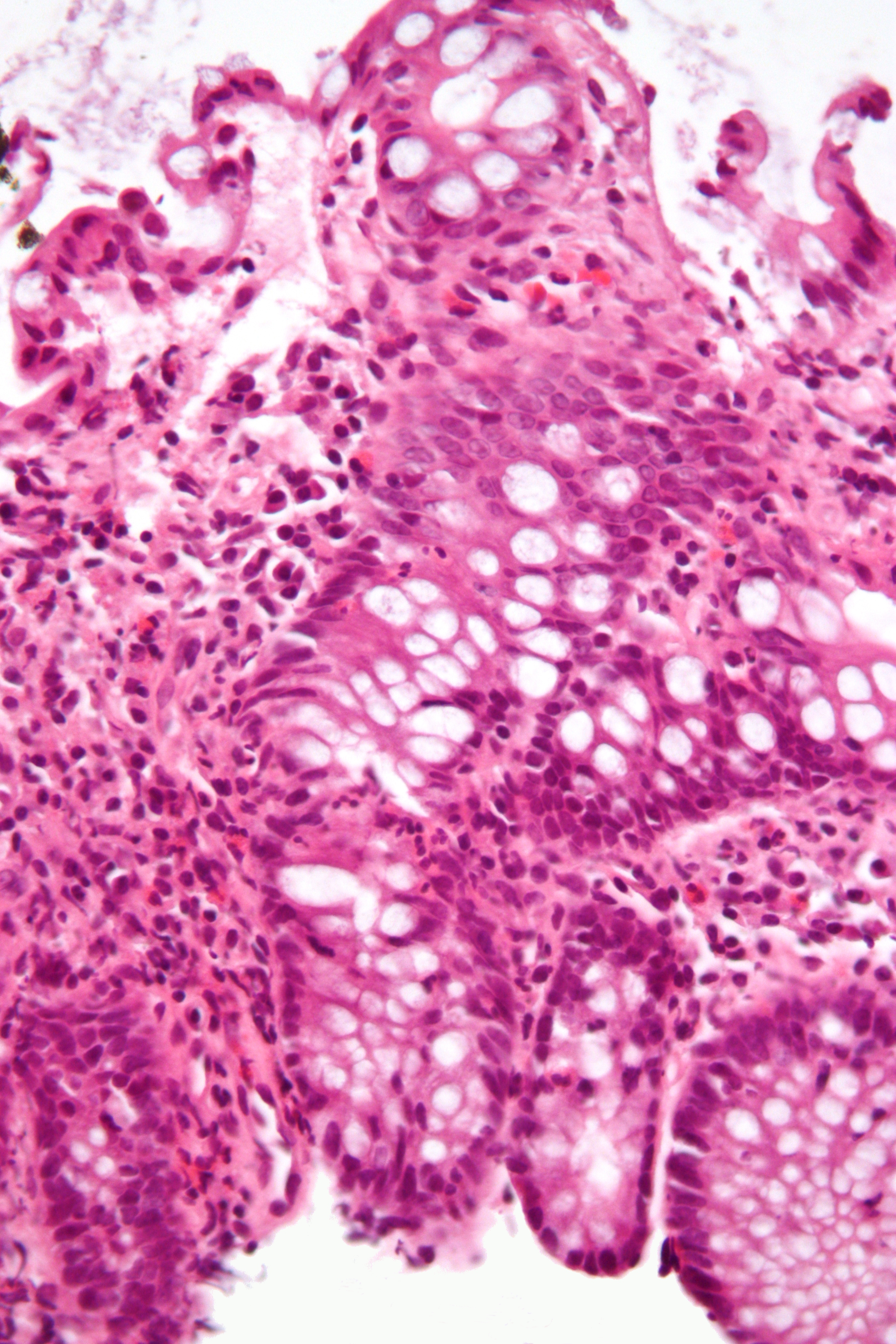
Inflammatory Bowel Disease (IBD) is a term encompassing a group of chronic gastrointestinal disorders characterized by persistent inflammation of the digestive tract. The two primary forms are ulcerative colitis (UC), which typically affects the colon and rectum, and Crohn's disease, which can impact any part of the gastrointestinal tract from the mouth to the anus. IBD is distinct from Irritable Bowel Syndrome (IBS), a functional disorder without visible inflammation. While the exact cause remains elusive, a combination of genetic predisposition, immune system dysregulation, and environmental factors, including the gut microbiome, are implicated. IBD affects an estimated 2.4 to 3.1 million Americans and over 5 million people worldwide, with a significant global rise in incidence, particularly in newly industrialized nations. Diagnosis relies on a combination of medical history, physical examination, blood tests, stool samples, endoscopy, and imaging, with treatment focusing on reducing inflammation, managing symptoms, and preventing complications, often involving medications and sometimes surgical intervention.
🎵 Origins & History
The concept of chronic intestinal inflammation has a long, albeit poorly defined, history. Early descriptions of severe, bloody diarrhea date back to ancient Greek physicians like Hippocrates, who noted conditions resembling ulcerative colitis. However, it wasn't until the late 19th and early 20th centuries that distinct entities began to be recognized. Sir Dr. Allbutt Gairdner described a condition in 1875 that strongly suggested UC, followed by Sir William Osler's detailed accounts in 1890. Crohn's disease was more formally characterized in 1932 by Dr. Burrill B. Crohn, Dr. Leon Ginzburg, and Dr. Gordon Osterberg in their seminal paper, 'Nonspecific Granulomatous Fistulas of the Small Intestine,' published in the Journal of the American Medical Association. The distinction between UC and Crohn's solidified, paving the way for more targeted research and treatment strategies, though the underlying mechanisms remained a profound mystery for decades.
⚙️ How It Works
IBD is fundamentally an immune-mediated inflammatory process. In individuals with a genetic susceptibility, the immune system mistakenly attacks the lining of the gastrointestinal tract, perceiving harmless gut bacteria or food particles as foreign invaders. This aberrant immune response triggers the release of inflammatory cytokines, leading to tissue damage, ulceration, and impaired nutrient absorption. In ulcerative colitis, inflammation is typically confined to the innermost lining (mucosa) of the colon and rectum, presenting as continuous inflammation. Crohn's disease, conversely, can affect all layers of the intestinal wall (transmural) and can occur anywhere along the digestive tract, often in a patchy pattern with healthy segments in between. This inflammation can lead to complications like strictures, fistulas, and abscesses, significantly impacting quality of life.
📊 Key Facts & Numbers
Globally, IBD affects an estimated 5 million people. In North America, the prevalence of IBD is around 2.4 to 3.1 million individuals, with an annual incidence of approximately 30-50 new cases per 100,000 people. The economic burden is substantial, with direct medical costs in the United States alone estimated to exceed $14.6 billion annually, encompassing medication, hospitalizations, and physician visits. Indirect costs, such as lost productivity due to illness, further inflate this figure. The disease typically emerges in adolescence or early adulthood, though it can manifest at any age.
👥 Key People & Organizations
Pioneering gastroenterologists laid early diagnostic groundwork. More recently, researchers such as Dr. Elliot Steinburg at the National Institutes of Health (NIH) have made significant strides in understanding the immune pathways involved. Key organizations like the Crohn's & Colitis Foundation in the US and IBD Society International play crucial roles in funding research, raising awareness, and supporting patients. Pharmaceutical giants like Janssen Pharmaceuticals (with drugs like Remicade) and AbbVie Inc. (with Humira and Skyrizi) are major players in developing and marketing biologic therapies.
🌍 Cultural Impact & Influence
IBD's impact extends far beyond the physical realm, profoundly affecting patients' mental health and social lives. The chronic nature of the disease, coupled with unpredictable flares, can lead to significant anxiety, depression, and social isolation. Many patients struggle with the stigma associated with digestive disorders, leading to reluctance in discussing their condition. The need for frequent medical appointments, dietary restrictions, and potential hospitalizations can disrupt education, careers, and family life. The visibility of IBD is growing, however, with public figures like Gigi Hadid and Amy Schumer sharing their experiences, fostering greater understanding and reducing stigma. The development of patient advocacy groups has also been instrumental in creating supportive communities and driving policy changes.
⚡ Current State & Latest Developments
The current landscape of IBD management is dominated by biologic therapies, which target specific components of the immune system to reduce inflammation. Drugs like infliximab (Remicade), adalimumab (Humira), and ustekinumab (Stelara) have revolutionized treatment for many, offering sustained remission. However, challenges persist: a significant portion of patients do not respond adequately to existing biologics, and many who initially benefit eventually lose response. Research is actively exploring new targets, including JAK inhibitors and other small molecules, as well as novel biologic agents. Furthermore, there's a growing emphasis on personalized medicine, using genetic and biomarker data to predict treatment response and tailor therapies to individual patients, a trend championed by initiatives like the IBD Precision Medicine Initiative.
🤔 Controversies & Debates
A central debate revolves around the precise triggers and mechanisms of IBD. While genetics and immune dysregulation are accepted factors, the exact role of environmental influences, particularly the gut microbiome, remains a hot topic. Some researchers posit that dysbiosis (an imbalance in gut bacteria) is a primary driver, while others view it as a consequence of inflammation. Another controversy lies in the optimal timing and use of aggressive therapies like biologics. Some argue for earlier and more potent intervention to prevent long-term damage, while others advocate for a more cautious approach, weighing the risks of side effects against potential benefits, especially in milder cases. The definition and diagnostic criteria for IBD subtypes also face ongoing scrutiny and refinement.
🔮 Future Outlook & Predictions
The future of IBD management points towards increasingly personalized and targeted therapies. Advances in genomic sequencing and proteomic analysis are expected to unlock deeper insights into individual disease pathways, enabling physicians to select the most effective treatments with greater precision. The development of novel drug delivery systems, such as oral biologics and targeted nanoparticles, could improve patient convenience and adherence. Furthermore, the role of the gut microbiome is likely to become more central, with potential for fecal microbiota transplantation (FMT) and engineered probiotics to restore gut balance. Researchers are also exploring non-pharmacological interventions, including dietary modifications and lifestyle changes, as adjuncts to conventional treatments, aiming for a more holistic approach to disease management.
💡 Practical Applications
The primary application of understanding IBD lies in its diagnosis and treatment. This involves sophisticated diagnostic tools like colonoscopy and capsule endoscopy to visualize the inflamed tissues, and biopsies for histological analysis. Treatment strategies range from corticosteroids and immunosuppressants to the aforementioned biologics and small molecule inhibitors, all aimed at controlling the inflammatory cascade. Beyond direct medical intervention, IBD management involves dietary counseling, pain management techniques, and psychological support. Research into IBD also drives innovation in related fields, such as [[drug-deli
Key Facts
- Category
- science
- Type
- topic