
Contents
- 🌟 Introduction to Hormones
- 🧬 The Biology of Hormones
- 👥 Types of Hormones
- 📦 Hormone Production and Regulation
- 🚨 Hormone Imbalance and Disorders
- 🏋️♀️ Hormones and Exercise
- 🍴 Hormones and Nutrition
- 🧠 Hormones and Mental Health
- 👶 Hormones and Development
- 🔬 Hormone Research and Future Directions
- 📊 Hormone-Related Diseases and Conditions
- 👨⚕️ Hormone Therapy and Treatment
- Frequently Asked Questions
- Related Topics
Overview
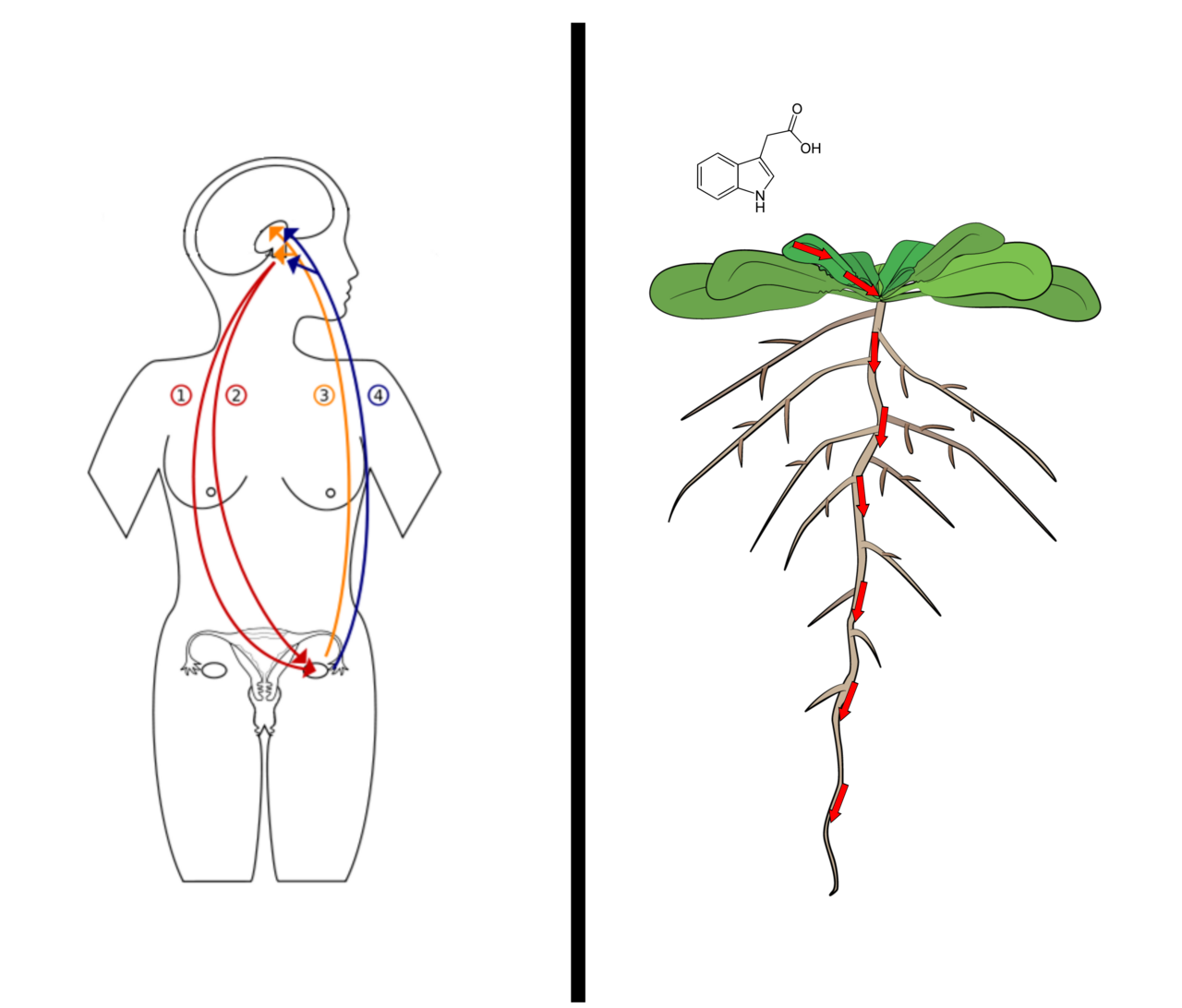
Hormones are chemical messengers produced by glands in the endocrine system that regulate various bodily functions, including growth, metabolism, reproduction, and mood. The balance of hormones is crucial for maintaining overall health, with imbalances linked to conditions such as diabetes, thyroid disorders, and hormonal cancers. The discovery of hormones dates back to the early 20th century, with pioneers like Edward Calvin Kendall and Frederick Grant Banting contributing significantly to the field. Today, hormone research continues to advance, with applications in fields like biotechnology and pharmaceuticals, aiming to develop new treatments for hormonal disorders. Despite the progress, controversies surround the use of hormone replacement therapy and the impact of environmental hormones on human health. As research unfolds, understanding hormones becomes increasingly important for preventing and managing diseases, underscoring the intricate relationship between hormones and human well-being, with a vibe score of 8 out of 10 due to its significant cultural and medical impact.
🌟 Introduction to Hormones
Hormones are chemical messengers that play a crucial role in regulating various bodily functions, including growth, development, and metabolism. As explained in Hormone Regulation, hormones are produced by Endocrine Glands and travel through the bloodstream to reach their target cells. The History of Hormone Research dates back to the early 20th century, when scientists first discovered the role of hormones in regulating bodily functions. Today, we know that hormones are essential for maintaining Homeostasis and overall health. For example, Insulin regulates blood sugar levels, while Thyroid Hormone regulates metabolism. Understanding how hormones work is essential for appreciating the complex processes that occur within our bodies.
🧬 The Biology of Hormones
The biology of hormones is complex and involves multiple Cell Signaling Pathways. Hormones can be classified into different types, including Peptide Hormones, Steroid Hormones, and Amine Hormones. Each type of hormone has a unique structure and function, and they play distinct roles in regulating various bodily functions. For instance, Growth Hormone regulates growth and development, while Adrenaline regulates the body's response to stress. The Biology of Hormone Regulation is a fascinating field of study that continues to uncover new insights into the complex world of hormones.
👥 Types of Hormones
There are many different types of hormones, each with its own unique function. Sex Hormones, such as Estrogen and Testosterone, play a crucial role in regulating reproductive functions. Stress Hormones, such as Cortisol and Adrenaline, help the body respond to stress and danger. Growth Hormones, such as Somatotropin, regulate growth and development. Understanding the different types of hormones and their functions is essential for appreciating the complex processes that occur within our bodies. For example, Thyroid Hormone regulates metabolism, while Insulin regulates blood sugar levels.
📦 Hormone Production and Regulation
Hormone production and regulation involve complex biological processes. Endocrine Glands, such as the Pituitary Gland and the Thyroid Gland, produce hormones in response to signals from the Hypothalamus. The Hypothalamic-Pituitary-Adrenal Axis is a complex system that regulates the body's response to stress. Hormones can also be regulated by Feedback Loops, which help to maintain Homeostasis. For instance, Insulin and Glucagon regulate blood sugar levels through a feedback loop. Understanding how hormones are produced and regulated is essential for appreciating the complex processes that occur within our bodies.
🚨 Hormone Imbalance and Disorders
Hormone imbalance and disorders can have significant effects on overall health. Hormone Imbalance can occur due to a variety of factors, including Genetic Disorders, Environmental Factors, and Lifestyle Factors. Hormone-Related Diseases, such as Diabetes and Hypothyroidism, can have significant impacts on quality of life. Understanding the causes and symptoms of hormone imbalance and disorders is essential for seeking proper diagnosis and treatment. For example, Polycystic Ovary Syndrome is a hormone-related disorder that affects women of reproductive age.
🏋️♀️ Hormones and Exercise
Exercise and hormones are closely linked. Exercise and Hormones can have significant effects on hormone production and regulation. For example, Exercise can stimulate the production of Growth Hormone and Testosterone. Yoga and other forms of exercise can also help to regulate Stress Hormones, such as Cortisol and Adrenaline. Understanding the relationship between exercise and hormones is essential for appreciating the complex processes that occur within our bodies. For instance, Aerobic Exercise can improve Insulin Sensitivity, while Resistance Training can increase Muscle Mass.
🍴 Hormones and Nutrition
Nutrition and hormones are also closely linked. Nutrition and Hormones can have significant effects on hormone production and regulation. For example, a diet high in Sugar can disrupt Insulin regulation, while a diet high in Healthy Fats can support Hormone Production. Omega-3 Fatty Acids and other Nutrients can also help to regulate Inflammation and support overall health. Understanding the relationship between nutrition and hormones is essential for appreciating the complex processes that occur within our bodies. For instance, Vitamin D is essential for Bone Health, while Magnesium is essential for Muscle Function.
🧠 Hormones and Mental Health
Hormones and mental health are also closely linked. Hormones and Mental Health can have significant effects on mood and cognitive function. For example, Serotonin and Dopamine are Neurotransmitters that play a crucial role in regulating mood. Stress Hormones, such as Cortisol and Adrenaline, can also have significant impacts on mental health. Understanding the relationship between hormones and mental health is essential for appreciating the complex processes that occur within our bodies. For instance, Depression is often associated with Hormone Imbalance, while Anxiety is often associated with Stress Hormones.
👶 Hormones and Development
Hormones play a crucial role in development, from fetal development to adulthood. Hormones and Development can have significant effects on growth and development. For example, Growth Hormone regulates growth and development, while Thyroid Hormone regulates metabolism. Sex Hormones, such as Estrogen and Testosterone, play a crucial role in regulating reproductive functions. Understanding the role of hormones in development is essential for appreciating the complex processes that occur within our bodies. For instance, Puberty is a critical period of development that is regulated by Hormones.
🔬 Hormone Research and Future Directions
Hormone research is an active area of study, with new discoveries being made regularly. Hormone Research has led to a greater understanding of the complex processes that occur within our bodies. For example, Epigenetics has shown that hormones can affect Gene Expression, while Proteomics has led to a greater understanding of hormone signaling pathways. Understanding the latest developments in hormone research is essential for appreciating the complex processes that occur within our bodies. For instance, Stem Cell Research has led to new insights into hormone regulation and development.
👨⚕️ Hormone Therapy and Treatment
Hormone therapy and treatment can be effective in managing hormone-related diseases and conditions. Hormone Therapy can help to regulate hormone production and balance. For example, Insulin Therapy can help to regulate blood sugar levels, while Thyroid Hormone Replacement can help to regulate metabolism. Understanding the different types of hormone therapy and treatment is essential for appreciating the complex processes that occur within our bodies. For instance, Bioidentical Hormone Replacement Therapy is a type of hormone therapy that uses natural hormones to regulate hormone production and balance.
Key Facts
- Year
- 1902
- Origin
- Bayliss and Starling's discovery of secretin, the first hormone
- Category
- Biology, Health, and Medicine
- Type
- Biological Concept
Frequently Asked Questions
What are hormones?
Hormones are chemical messengers that play a crucial role in regulating various bodily functions, including growth, development, and metabolism. They are produced by Endocrine Glands and travel through the bloodstream to reach their target cells. Hormones are essential for maintaining Homeostasis and overall health.
What are the different types of hormones?
There are many different types of hormones, each with its own unique function. Sex Hormones, such as Estrogen and Testosterone, play a crucial role in regulating reproductive functions. Stress Hormones, such as Cortisol and Adrenaline, help the body respond to stress and danger. Growth Hormones, such as Somatotropin, regulate growth and development.
What is hormone imbalance?
Hormone imbalance occurs when there is an abnormal level of one or more hormones in the body. This can be caused by a variety of factors, including Genetic Disorders, Environmental Factors, and Lifestyle Factors. Hormone imbalance can have significant effects on overall health and can increase the risk of developing Hormone-Related Diseases.
How do hormones affect mental health?
Hormones can have significant effects on mental health. Serotonin and Dopamine are Neurotransmitters that play a crucial role in regulating mood. Stress Hormones, such as Cortisol and Adrenaline, can also have significant impacts on mental health. Hormone imbalance can increase the risk of developing Depression and Anxiety.
What is hormone therapy?
Hormone therapy is a treatment that involves the use of hormones to regulate hormone production and balance. This can be used to treat a variety of hormone-related diseases and conditions, including Diabetes and Hypothyroidism. Hormone therapy can help to regulate hormone production and balance, and can improve overall health and quality of life.
How do hormones affect exercise and nutrition?
Hormones can have significant effects on exercise and nutrition. Exercise can stimulate the production of Growth Hormone and Testosterone. Nutrition can also affect hormone production and regulation, with a diet high in Sugar disrupting Insulin regulation, and a diet high in Healthy Fats supporting Hormone Production.
What is the relationship between hormones and development?
Hormones play a crucial role in development, from fetal development to adulthood. Hormones and Development can have significant effects on growth and development. For example, Growth Hormone regulates growth and development, while Thyroid Hormone regulates metabolism. Sex Hormones, such as Estrogen and Testosterone, play a crucial role in regulating reproductive functions.