
Contents
- 🤵♂️ What is Grooming, Really?
- 💈 The Historical Roots of Looking Sharp
- ✨ The Vibe: Beyond Basic Hygiene
- 🛠️ Essential Tools of the Trade
- ⚖️ The Controversy Spectrum: From Vanity to Necessity
- 📈 Influence Flows: Who Sets the Standard?
- 💡 Key Debates in Modern Grooming
- 🚀 The Future of Personal Presentation
- Frequently Asked Questions
- Related Topics
Overview
Grooming encompasses the practices individuals undertake to maintain their physical appearance and hygiene, extending beyond mere cleanliness to encompass self-expression and social signaling. Historically rooted in rituals of purification and status display, grooming has evolved into a multi-billion dollar global industry driven by diverse cultural norms and individual aspirations. It involves a spectrum of activities, from basic hygiene like showering and brushing teeth to more elaborate routines involving skincare, haircare, shaving, and cosmetic application. The modern grooming landscape is a battleground of tradition versus innovation, with a constant influx of new products, techniques, and aesthetic ideals shaping how we present ourselves to the world.
🤵♂️ What is Grooming, Really?
Grooming, at its most fundamental, is the practice of maintaining one's physical appearance and hygiene. This isn't just about showering; it's a deliberate, often ritualistic, process of self-care that impacts how we present ourselves to the world. For men, this can encompass everything from haircuts and beard care to skincare and nail maintenance. It's about projecting confidence, competence, and respect for oneself and others. The goal is to achieve a polished look that aligns with personal identity and social context, whether that's a sharp business professional aesthetic or a more relaxed, artistic vibe.
💈 The Historical Roots of Looking Sharp
The concept of grooming stretches back millennia. Ancient Egyptians meticulously cared for their hair and skin, using oils and perfumes. Roman men, particularly the elite, frequented barbershops not just for haircuts but as social hubs. The Victorian era saw a rise in formalized grooming routines, with the advent of specific products for shaving and hair styling. Even the term 'groom' itself, historically referring to a horse caretaker, evolved to signify someone who meticulously prepares and maintains another – a farrier for horses, or a wedding attendant for humans. This historical weight underscores that personal presentation has always been a significant aspect of social standing and personal identity.
✨ The Vibe: Beyond Basic Hygiene
Beyond mere cleanliness, grooming cultivates a distinct personal vibe. It's the subtle difference between looking like you just rolled out of bed and looking like you own the room. This vibe is constructed through intentional choices: the scent of your cologne, the precise line of your eyebrows, the health of your skin. A high Vibe Score in grooming often correlates with attention to detail and a proactive approach to self-improvement. It’s about crafting an aura that communicates intention and self-awareness, influencing how others perceive your competence and approachability.
🛠️ Essential Tools of the Trade
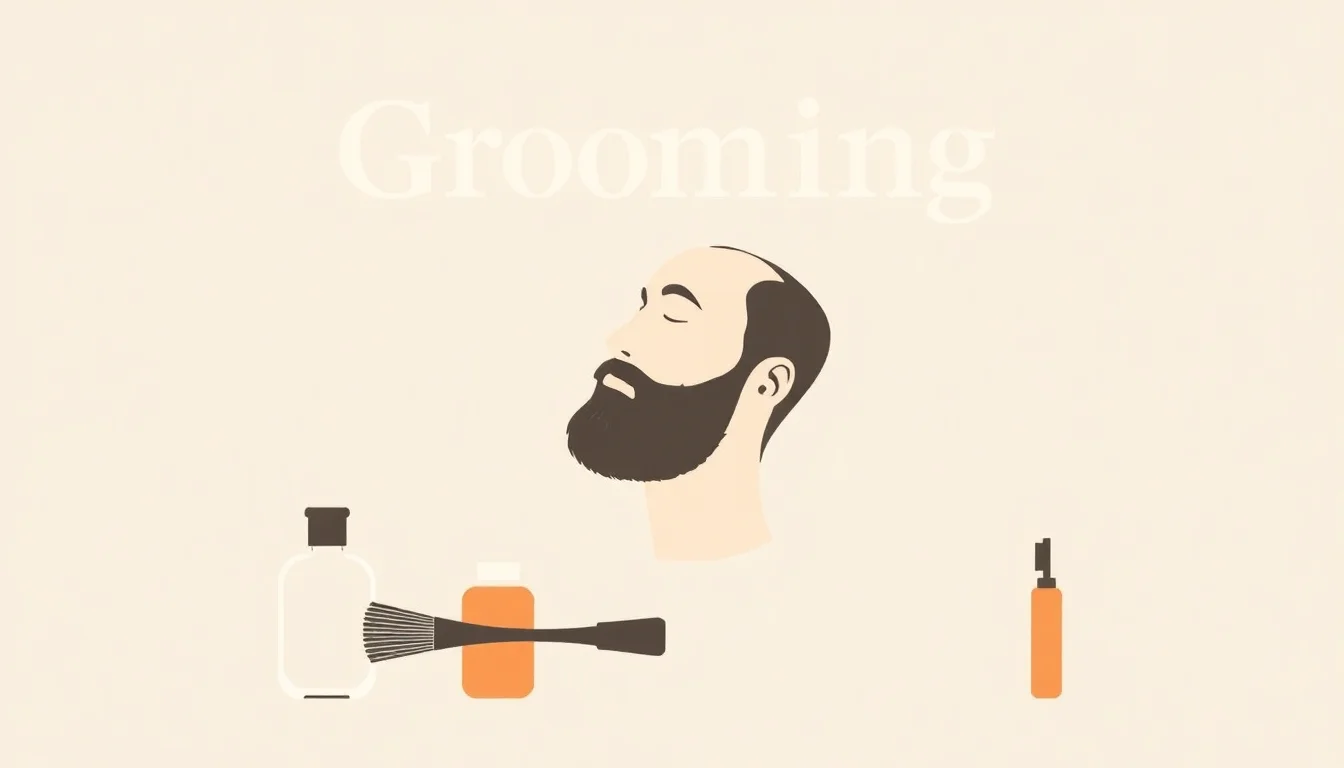
Mastering grooming requires a curated set of tools. For hair, this means quality clippers, scissors, and styling products like pomade or wax. Skincare demands a good cleanser, moisturizer, and sunscreen. Shaving aficionados will appreciate sharp razors, shaving cream, and aftershave. For beard maintenance, beard oil, balm, and combs are indispensable. Investing in quality tools not only enhances the effectiveness of your routine but also elevates the entire experience, turning a chore into a satisfying ritual.
⚖️ The Controversy Spectrum: From Vanity to Necessity
The Controversy Spectrum for grooming often lands between 'essential self-care' and 'vain obsession.' Some argue that excessive focus on appearance is a distraction from more meaningful pursuits, a capitulation to societal pressures. Others see it as a fundamental aspect of self-respect and a crucial element for professional and social success. The debate intensifies around the use of cosmetic procedures or highly specialized products. While basic hygiene is universally accepted, the line where 'grooming' becomes 'enhancement' is constantly being redrawn, influenced by cultural norms and individual values.
📈 Influence Flows: Who Sets the Standard?
Influence flows in grooming are complex, originating from various sources. Historically, royalty and aristocracy set trends. In the 20th century, Hollywood actors and musicians became major style arbiters. Today, social media influencers on platforms like Instagram and TikTok wield significant power, showcasing new products and techniques. Brands themselves, from heritage houses like Acqua di Parma to modern DTC companies like Harry's, actively shape consumer desires. Understanding these flows helps decipher why certain styles or products gain traction, often reflecting broader cultural shifts.
💡 Key Debates in Modern Grooming
Several key debates shape the modern grooming landscape. One prominent discussion revolves around natural vs. synthetic ingredients in skincare and hair products, with proponents of each side citing health and environmental concerns. Another is the increasing gender fluidity in grooming, challenging traditional masculine-coded products and routines. Furthermore, the ethics of animal testing in product development remain a contentious issue for many consumers. Finally, the debate over whether grooming is an innate expression of self or a performance dictated by external expectations continues to fuel discussion.
🚀 The Future of Personal Presentation
The future of grooming is poised for significant evolution. We're seeing a rise in personalized grooming solutions, driven by AI and genetic testing that tailor products to individual needs. The integration of technology into grooming tools, from smart razors to diagnostic skincare devices, is accelerating. Expect a greater emphasis on sustainability, with brands focusing on eco-friendly packaging and ethically sourced ingredients. Moreover, the lines between skincare, haircare, and even wellness will continue to blur, creating a more comprehensive approach to personal presentation that prioritizes health and longevity alongside aesthetics.
Key Facts
- Year
- Ancient Origins
- Origin
- Human Civilization
- Category
- Personal Care & Style
- Type
- Topic
Frequently Asked Questions
What's the difference between grooming and hygiene?
Hygiene refers to practices that maintain health and prevent disease, like washing hands or brushing teeth. Grooming, while including hygiene, goes further to encompass the deliberate shaping and maintenance of one's appearance. Think of hygiene as the foundation, and grooming as the architecture built upon it. It's about presenting yourself in a way that reflects care and intention, beyond just being clean.
Is grooming just for men?
Absolutely not. While historically, 'grooming' has often been discussed in a male-centric context, personal presentation and self-care are universal. Women have long engaged in complex grooming rituals for hair, skin, and nails. The term itself is gender-neutral, and the principles of self-care and presentation apply to everyone, regardless of gender identity.
How much should I spend on grooming products?
This is highly personal and depends on your budget and priorities. You don't need the most expensive products to achieve good results. Focus on understanding your needs – whether it's for sensitive skin, oily hair, or a specific beard style. Often, mid-range brands offer excellent value. Investing in a few quality staples, like a good moisturizer or a reliable razor, is more impactful than buying many cheap, ineffective items.
What are the most important grooming steps for beginners?
For beginners, focus on the fundamentals: a consistent skincare routine (cleanser, moisturizer, sunscreen), regular haircuts that suit your face shape, and basic oral hygiene. If you have facial hair, learning to trim and condition it properly is key. Don't try to do everything at once; start with a few essential habits and build from there.
Can grooming improve my confidence?
Undeniably. When you feel good about your appearance, it often translates to increased self-esteem and confidence. The act of taking time for self-care can be empowering. Looking polished and put-together can make you feel more prepared to face challenges, whether in a professional setting or social situations. It's a tangible way to invest in yourself.
What is a 'groom' in a wedding context?
In a wedding context, a 'groom' refers to the male participant in the marriage ceremony, typically the one marrying the bride. Historically, the term also applied to attendants who assisted the groom. While the wedding attendant role is less common now, the primary meaning remains the central male figure in the union.