
Contents
Overview
The geological genesis of Lake Michigan is rooted in the Wisconsin Glaciation. As massive ice sheets retreated, they carved out the basins that would eventually fill with meltwater. Indigenous peoples, including the Potawatomi, Odawa, and Ojibwe nations, inhabited its shores for millennia, developing deep cultural and subsistence ties to its waters and resources. European exploration began in the 17th century, with French explorers like Jean Nicolet reaching its shores. Jean Nicolet was a French explorer who reached its shores. The lake's strategic location soon made it a vital artery for trade and settlement during the westward expansion of North America, with ports like Chicago emerging as critical hubs, facilitated by the Erie Canal and later the Great Lakes Waterway.
⚙️ How It Works
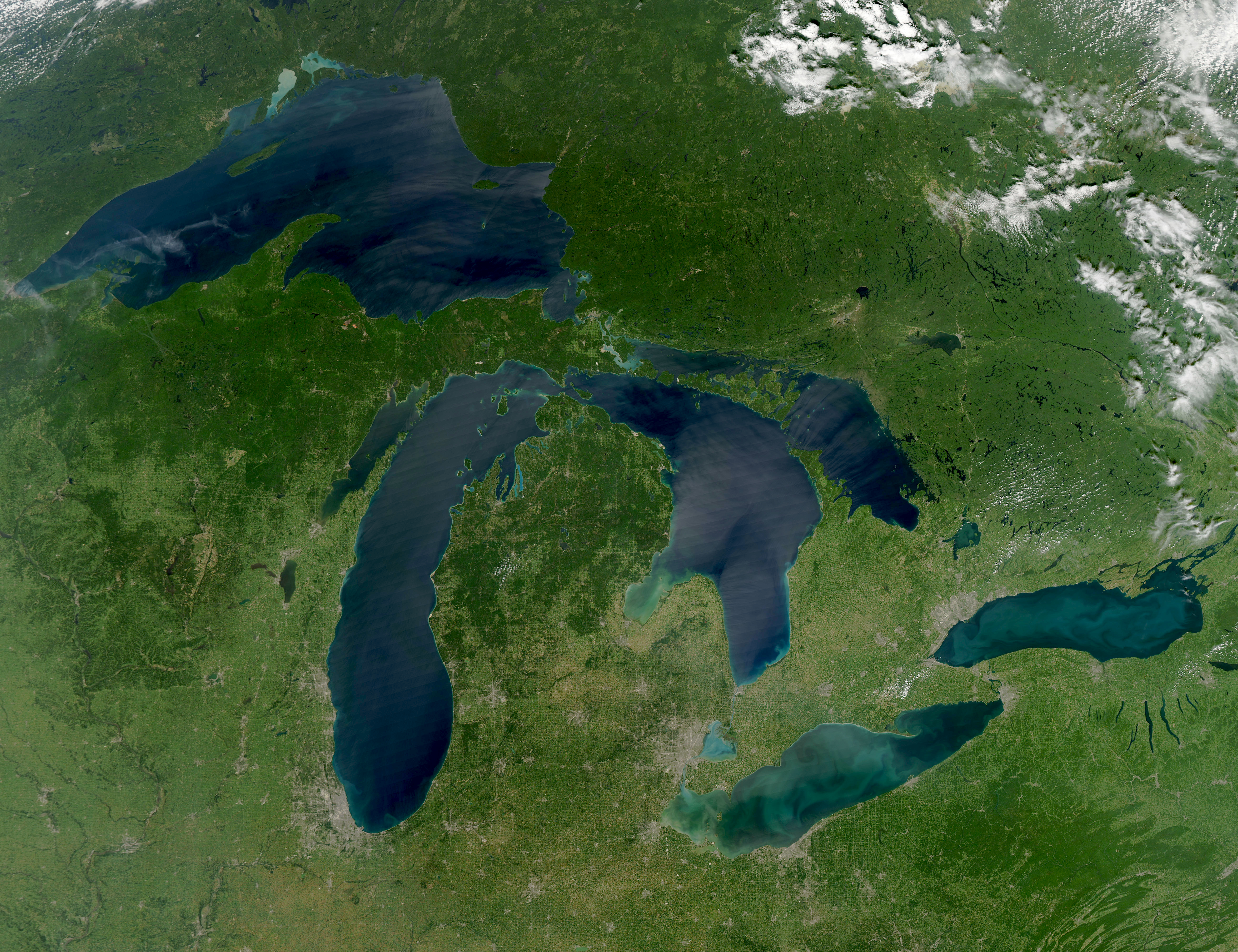
Lake Michigan functions as a massive freshwater reservoir, intricately connected to the global hydrological cycle. Its water levels are influenced by a complex interplay of precipitation, evaporation, snowmelt, and outflow. The lake's primary outflow is through the Straits of Mackinac, a wide channel connecting it to Lake Huron. From Lake Huron, water eventually flows through the St. Lawrence River to the Atlantic Ocean. Conversely, water can also be diverted from Lake Michigan into the Mississippi River basin via the Chicago Sanitary and Ship Canal, a feat of civil engineering that reversed the flow of the Chicago River. This engineered connection highlights the lake's role in both natural and human-altered water systems.
📊 Key Facts & Numbers
Lake Michigan boasts an impressive scale. Its shoreline stretches for 1,640 miles (2,637 km), bordering four U.S. states: Wisconsin, Illinois, Indiana, and Michigan. Annually, the lake supports a commercial fishing industry and is a critical source of drinking water for over 12 million people.
👥 Key People & Organizations
Numerous individuals and organizations have shaped the understanding and management of Lake Michigan. Jean Nicolet was among the first Europeans to document the lake. Today, organizations such as the Great Lakes Commission and the U.S. Environmental Protection Agency (EPA) work collaboratively with state agencies like the Michigan Department of Environment, Great Lakes, and Energy (EGLE) and the Illinois EPA to monitor water quality, manage fisheries, and address pollution. Scientists at institutions like the University of Wisconsin-Madison and the University of Chicago conduct vital research on the lake's ecosystem.
🌍 Cultural Impact & Influence
Lake Michigan has profoundly influenced the cultural and economic development of the American Midwest. Its shores are dotted with major cities that grew into metropolises thanks to its transportation and water resources, including Chicago, Milwaukee, Grand Rapids, and Gary. The lake inspired artists, writers, and musicians, with its vastness and power frequently depicted in literature and visual arts. It is a central feature of regional identity, fostering a strong connection to outdoor recreation, from sailing and fishing to beachgoing. The annual Chicago to Mackinac Race is one of the oldest and most prestigious freshwater sailing races in the world, drawing international attention.
⚡ Current State & Latest Developments
In 2024, Lake Michigan continues to grapple with persistent environmental challenges while benefiting from ongoing conservation efforts. Invasive species, such as quagga mussels and sea lampreys, remain a significant concern, impacting native fish populations and ecosystem balance. Water quality continues to be monitored closely, with efforts to reduce nutrient runoff from agricultural and urban areas to combat algal blooms. The Great Lakes Waterway remains a vital commercial shipping route, with ongoing discussions about infrastructure upgrades and environmental impacts. Climate change projections suggest potential shifts in water levels and temperature, prompting further research and adaptive management strategies by entities like the NOAA Great Lakes Environmental Research Laboratory.
🤔 Controversies & Debates
The management of Lake Michigan is fraught with controversy, primarily concerning water diversion and pollution. The diversion of water through the Chicago Sanitary and Ship Canal into the Mississippi River basin has been a long-standing legal and environmental battle, with downstream states like Missouri and Louisiana concerned about water levels and the potential for invasive species transfer. Pollution from industrial discharge, agricultural runoff, and urban stormwater continues to be a point of contention, with debates over the stringency of regulations and enforcement by agencies like the Michigan EGLE. The allocation of fishing rights between commercial and recreational interests also sparks periodic debate.
🔮 Future Outlook & Predictions
The future of Lake Michigan hinges on effective environmental stewardship and adaptation to climate change. Projections indicate potential fluctuations in water levels, with some models suggesting lower levels due to increased evaporation and altered precipitation patterns, while others warn of extreme weather events causing higher surges. Efforts to control invasive species will likely intensify, potentially involving new technological interventions or expanded biological control programs. The long-term health of the lake's fisheries will depend on successful restoration of native species and management of invasive species. Furthermore, the increasing demand for freshwater resources in surrounding regions may lead to renewed debates over water diversion policies, potentially involving interstate compacts and federal oversight.
💡 Practical Applications
Lake Michigan serves as a critical resource for numerous practical applications. It is a primary source of drinking water for over 12 million people in major metropolitan areas like Chicago and Milwaukee, necessitating extensive water treatment infrastructure. The lake supports significant commercial and recreational fishing industries, contributing millions to the regional economy. Its role as a transportation corridor via the Great Lakes Waterway is vital for shipping bulk commodities like iron ore, coal, and grain, supporting industries across the Midwest. The lake's beaches and shoreline parks are major tourist attractions, driving significant revenue through recreation and tourism.
Key Facts
- Category
- nature
- Type
- topic