
Contents
Overview
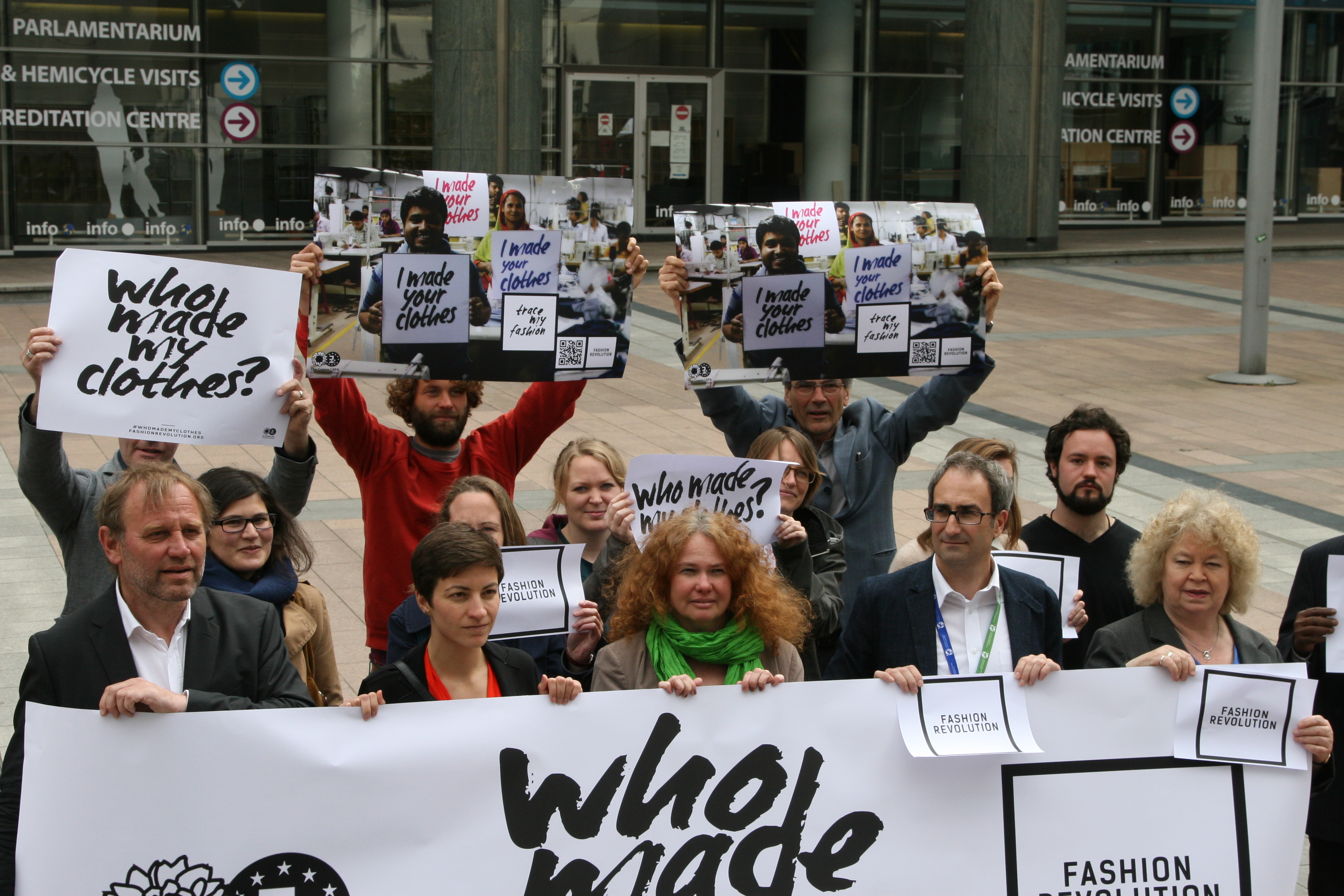
The call for transparency in fashion supply chains didn't emerge from a vacuum; it's a modern echo of historical labor movements and consumer advocacy. While the concept of knowing where goods come from has ancient roots, the modern fashion supply chain, characterized by globalized production and intricate subcontracting, made this knowledge increasingly elusive. The pivotal moment arrived on April 24, 2013, with the catastrophic collapse of the Rana Plaza garment factory in Savar, Bangladesh, killing 1,134 people and injuring thousands more. This tragedy, which reportedly produced clothing for brands like Benetton and Mango, exposed the deadly consequences of unchecked subcontracting and poor working conditions. In its wake, the Fashion Revolution movement, co-founded by Carry Somers and Orsola de Castro in 2014, galvanized global attention, demanding brands answer the simple yet profound question: '#WhoMadeMyClothes'. This campaign, amplified by social media, marked a turning point, shifting the onus onto brands to prove their ethical credentials.
⚙️ How It Works
Achieving fashion supply chain transparency involves mapping and disclosing information across multiple tiers of production. This typically begins with Tier 1 suppliers, the factories that assemble the final garments. Brands then aim to trace back to Tier 2 suppliers (fabric mills and dye houses), Tier 3 (raw material producers like cotton farms or synthetic fiber manufacturers), and even Tier 4 (where raw materials are grown or extracted). Technologies like blockchain are being explored to create immutable records of transactions and movements along the chain. Data collection often relies on supplier self-reporting, audits (both internal and third-party), and increasingly, digital platforms that aggregate and verify information. The goal is to provide consumers with verifiable details about who made their clothes, under what conditions, and with what environmental impact, moving beyond vague assurances to concrete data.
📊 Key Facts & Numbers
The scale of the fashion industry makes transparency a monumental task. Globally, the apparel market was valued at approximately $1.5 trillion in 2023, with projections to reach over $2 trillion by 2030. A 2020 report by the World Economic Forum indicated that only about 10-15% of fashion brands publicly disclose their Tier 1 suppliers, and significantly fewer (less than 5%) extend this to Tier 2. The Fashion Transparency Index, published by Fashion Revolution, assesses brands on their public disclosure, with the average score hovering around 23% out of 100% in recent years, indicating a vast gap between current practices and full transparency. For instance, in 2023, only 10 brands out of 250 assessed scored above 70% on the index.
👥 Key People & Organizations
Several key figures and organizations have been instrumental in driving the fashion transparency agenda. Carry Somers and Orsola de Castro, co-founders of Fashion Revolution, are central figures, having built a global movement through advocacy and education. Patagonia, under the leadership of founder Yvon Chouinard, has long been a pioneer, publishing its supplier list since 2000. Other organizations like the Ethical Trading Initiative and the Sustainable Apparel Coalition work with brands to improve labor and environmental standards. Tech companies are also emerging as players, with platforms like Sourcemap offering supply chain mapping solutions, and initiatives like the Open Apparel Registry aiming to standardize factory data.
🌍 Cultural Impact & Influence
The push for transparency has profoundly reshaped consumer expectations and brand accountability. The '#WhoMadeMyClothes' hashtag, trending globally on Twitter in 2017, demonstrated the power of collective consumer demand. This has led to increased media scrutiny of brand practices and has influenced purchasing decisions, particularly among younger demographics who increasingly prioritize ethical consumption. Brands that embrace transparency often see enhanced brand loyalty and a positive 'vibe score' among conscious consumers. Conversely, companies perceived as opaque or complicit in labor abuses face significant reputational damage, as seen with controversies surrounding brands like Shein and its alleged labor practices. The cultural shift is palpable: transparency is no longer a niche concern but a mainstream expectation.
⚡ Current State & Latest Developments
As of 2024, the landscape of fashion supply chain transparency is dynamic. Major brands like Nike and H&M have published extensive supplier lists, driven by regulatory pressures and consumer demand. The European Union's proposed Corporate Sustainability Due Diligence Directive (CSDDD) is set to mandate greater supply chain accountability for large companies operating within the EU. Technology continues to advance, with more sophisticated tools for traceability and data verification emerging. However, challenges persist, particularly in ensuring the accuracy and depth of information beyond Tier 1 suppliers and in addressing the complexities of subcontracting, which remains a significant loophole for many brands. The rise of ultra-fast fashion retailers like Shein also presents a formidable counter-trend, prioritizing speed and low cost over transparency.
🤔 Controversies & Debates
Significant controversies surround fashion supply chain transparency. Critics argue that many brands engage in 'greenwashing,' selectively disclosing positive information while obscuring problematic aspects of their supply chains. The Fashion Transparency Index itself has faced criticism for its methodology and for potentially incentivizing brands to focus on disclosure metrics rather than substantive change. The reliance on self-reported data and audits raises questions about reliability, as factories may falsify information or prepare for audits in ways that don't reflect daily realities. Furthermore, the sheer complexity of global supply chains, involving thousands of small workshops and informal labor, makes complete traceability an immense, perhaps insurmountable, challenge for many brands, leading to debates about what constitutes 'sufficient' transparency.
🔮 Future Outlook & Predictions
The future of fashion supply chain transparency is likely to be shaped by a confluence of regulatory mandates, technological innovation, and sustained consumer pressure. Legislation like the CSDDD in Europe, and similar initiatives in the US and elsewhere, will increasingly compel brands to conduct due diligence and disclose risks. Blockchain technology and advanced data analytics are expected to play a larger role in verifying claims and providing real-time traceability. We may see the emergence of industry-wide, standardized platforms for data sharing, reducing the burden on individual brands and increasing comparability. Ultimately, the trend points towards a future where transparency is not a voluntary add-on but a fundamental requirement for market participation, potentially leading to a more equitable and sustainable fashion industry, though the transition will undoubtedly be fraught with resistance and adaptation.
💡 Practical Applications
Fashion supply chain transparency has direct practical applications for consumers, brands, and policymakers. For consumers, it empowers informed purchasing decisions, allowing them to align their spending with their values. Brands can use transparency data to identify risks, improve working conditions, and enhance operational efficiency. For example, mapping a supply chain can reveal inefficiencies or single points of failure. Policymakers can use disclosed information to enforce regulations and hold companies accountable. Tools like the Open Apparel Registry provide a public database of apparel factories, aiding researchers and advocates. Furthermore, transparency initiatives can drive innovation in sustainable materials and manufacturing processes, fostering a more responsible
Key Facts
- Category
- movements
- Type
- topic