
Contents
Overview
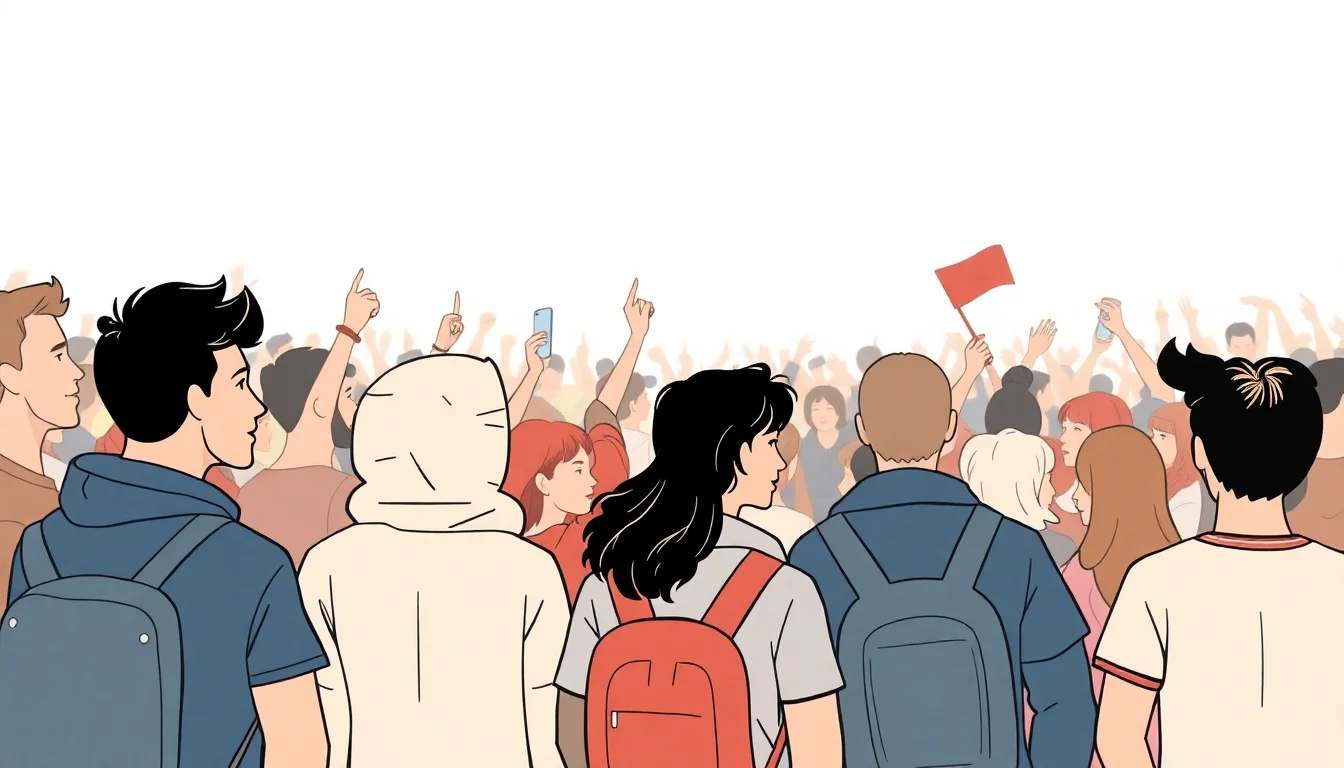
Fans, at their core, are the lifeblood of passionate communities, extending far beyond mere passive consumption. They are enthusiasts, devotees, and active participants who imbue cultural products—be it music, sports, film, or even abstract ideas—with meaning and sustained energy. This entry focuses on the human element: the individual and collective fervor that transforms a shared interest into a vibrant subculture. Understanding fans means understanding the deep psychological and social drivers that foster intense loyalty and engagement, turning casual observers into dedicated advocates. This isn't just about liking something; it's about belonging to something.
⭐ The Vibe Spectrum of Fandom
Fandom exists on a spectrum of intensity, a concept we at Vibepedia quantify with our Vibe Scores. At one end, you have the casual admirer, appreciating a piece of media without deep investment. Further along, the dedicated fan actively seeks out content, engages in discussions, and perhaps even creates derivative works. At the apex are the 'superfans' or 'fanatics,' whose lives are significantly intertwined with their chosen fandom, often exhibiting extreme dedication and emotional investment. This spectrum dictates the energy and influence a particular fandom wields within the broader cultural landscape, impacting everything from merchandise sales to the direction of future creative output.
📈 The Evolution of Fan Culture
The history of fandom is a fascinating arc from localized, often private, expressions of enthusiasm to globally networked, highly visible communities. Early forms of fandom, like the fervent admiration for Romantic poets or the organized societies supporting Victorian authors, laid groundwork for modern fan culture. The advent of mass media, particularly with the rise of The Beatles in the 1960s and the explosion of Star Trek in the 1970s, demonstrated the power of organized fan groups. The internet, however, has been the ultimate accelerant, enabling the rapid formation and dissemination of fan communities across geographical boundaries, fostering unprecedented levels of interaction and content creation.
🗣️ Key Debates in Fan Studies
Within fan studies, several debates simmer. One central tension is between viewing fans as dupes of corporate marketing versus recognizing them as active producers of meaning and culture. Scholars like Henry Jenkins have championed the latter, highlighting active audiences and participatory culture. Conversely, some critics argue that even creative fan output is ultimately commodified by the industries it engages with, questioning the true autonomy of fan labor. Another ongoing discussion revolves around the potential for toxic fan behavior and its impact on creators and fellow fans, a phenomenon often linked to online harassment and cancel culture.
🛠️ How Fans Shape Industries
Fans are not just consumers; they are powerful agents of influence. Their collective actions can dictate the success or failure of media franchises, drive demand for specific products, and even shape creative decisions. For instance, fan campaigns have successfully lobbied for the renewal of cancelled television shows, like Jericho, or influenced plotlines in ongoing narratives. This power dynamic is particularly evident in the video game industry, where player feedback and community engagement are crucial for game development and post-launch support. Companies that ignore their fanbase do so at their peril.
🌐 Global Fandom Hotspots
While fandom is a global phenomenon, certain regions have emerged as particularly vibrant hubs. South Korea is a prime example, with its highly organized and influential K-pop fandom driving global trends in music, fashion, and digital content. Japan, with its deep-rooted otaku culture surrounding anime, manga, and video games, represents another significant center of fan activity. In the West, cities with strong ties to major entertainment industries, such as Los Angeles for film and television or Nashville for country music, often serve as focal points for fan gatherings and industry-related events.
💰 The Economic Engine of Fandom
The economic impact of fandom is staggering, often underestimated by those outside its sphere. Beyond direct sales of tickets, merchandise, and subscriptions, fans fuel secondary markets for fan-created art, fan fiction, and convention attendance. The global K-pop market alone is valued in the billions, driven by the relentless purchasing power and promotional efforts of its dedicated fanbase. This economic engine is powered by a complex interplay of passion and commerce, where emotional investment translates directly into tangible revenue streams, influencing corporate strategies and investment decisions across multiple sectors.
🚀 The Future of Being a Fan
The future of fandom is inextricably linked to technological advancement and evolving social dynamics. As virtual and augmented reality technologies mature, we can expect new forms of immersive fan experiences, blurring the lines between the digital and physical realms. The rise of decentralized platforms and creator economies may offer fans greater agency and direct involvement in the creation and governance of their communities. However, challenges remain, including navigating the ethical implications of AI-generated content within fandom and ensuring inclusive and safe spaces for all enthusiasts amidst increasing polarization. The core of fandom—passionate connection—will undoubtedly persist, but its manifestations will continue to transform.
Key Facts
- Year
- 2023
- Origin
- Global
- Category
- Cultural Studies
- Type
- Cultural Phenomenon
Frequently Asked Questions
What's the difference between a fan and a fanatic?
While 'fan' is short for 'fanatic,' the terms are often used with different connotations. 'Fan' generally refers to an enthusiast or supporter, engaging with a subject of interest. 'Fanatic,' however, often implies an extreme, sometimes obsessive or irrational, level of devotion that can overshadow other aspects of a person's life or lead to negative behaviors. The distinction is subjective and often depends on the context and the perceived intensity of the engagement.
How do fans influence creative industries?
Fans exert influence through various means: purchasing power (driving sales), social media engagement (creating buzz and trends), direct feedback (influencing product development), and fan-created content (expanding the narrative and reach of a work). Organized fan campaigns, like petitions or hashtag movements, can also pressure creators and studios to make specific decisions, such as renewing a show or altering a storyline. This makes fan communities a critical, albeit sometimes unpredictable, stakeholder in many industries.
Is all fan activity positive?
No, fan activity is not universally positive. While many fan communities foster creativity, support, and belonging, others can become toxic. This can manifest as gatekeeping, harassment of creators or fellow fans, intense negativity, or the spread of misinformation. The anonymity and reach of online platforms can sometimes amplify these negative aspects, leading to significant harm within and outside the fandom.
What is 'fan labor'?
Fan labor refers to the unpaid work that fans undertake to engage with, promote, and extend the life of cultural products. This includes activities like writing fan fiction, creating fan art, producing fan videos, organizing fan events, translating content, and participating in online discussions. While often driven by passion, this labor contributes significantly to the visibility and longevity of fandoms, and its economic implications are increasingly being studied.
How can I find and join a fandom?
Finding a fandom typically starts with identifying your interests. Once you have a subject—a TV show, band, book series, game—look for online communities dedicated to it. Platforms like Reddit, Tumblr, Discord, and dedicated forums are common gathering places. Attend conventions or local meetups related to your interest if available. The key is to engage respectfully, participate in discussions, and explore the community's norms and activities.