
Contents
Overview
The genesis of European classical music can be traced back to the sacred music of the early Christian church. The subsequent Medieval period saw the emergence of polyphony with composers like Hildegard of Bingen and the Notre Dame school, while the Renaissance witnessed a flourishing of secular and sacred vocal music, with masters such as Josquin des Prez and Giovanni Pierluigi da Palestrina refining complex contrapuntal techniques. The Baroque era introduced opera, the concerto, and the fugue, characterized by elaborate ornamentation and dramatic contrasts. The Classical period brought clarity and balance with Mozart, Haydn, and early Beethoven, emphasizing sonata form and the symphony. The Romantic era expanded emotional range and orchestral color with Beethoven, Chopin, Brahms, and Tchaikovsky, pushing the boundaries of harmony and form. The 20th and 21st centuries have seen immense diversification, from the impressionism of Debussy and the atonality of Schoenberg to minimalist composers like Steve Reich and contemporary figures such as Kaija Saariaho.
⚙️ How It Works
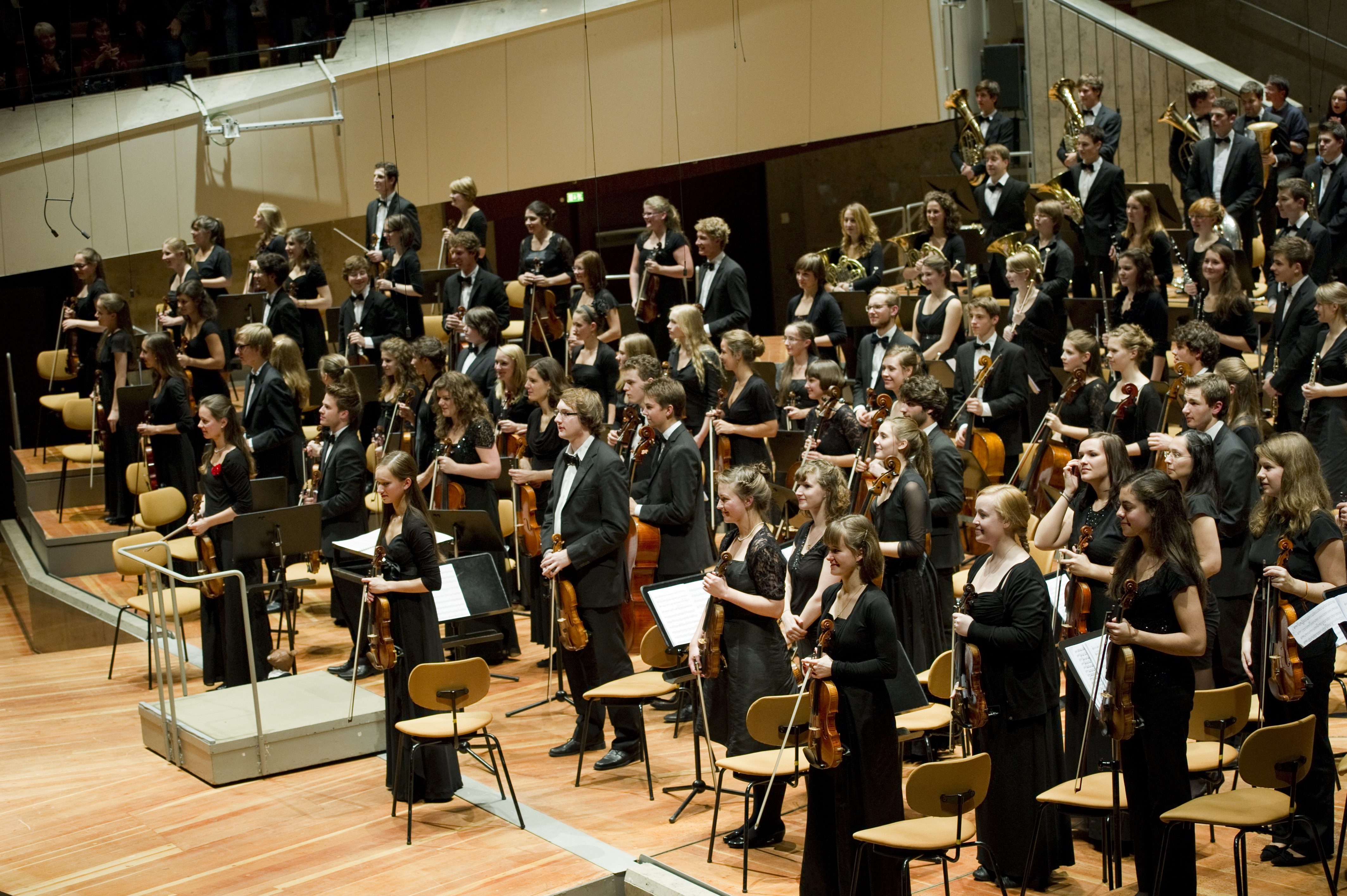
European classical music is fundamentally a system of organized sound, built upon specific theoretical frameworks and notational practices. Its harmonic language typically relies on tonal systems, employing scales, chords, and progressions to create tension and resolution, though 20th-century developments like atonality and serialism deliberately challenged these norms. Melodic lines are often intricate, and rhythmic structures can range from simple meters to complex polyrhythms. The primary vehicles for performance are orchestral ensembles, chamber groups, solo instruments (like the piano or violin), and vocalists performing in opera, oratorio, and art song. The standardized musical notation developed over centuries, allowing for precise transmission of musical ideas across time and space, a critical factor distinguishing it from oral traditions. The development of instruments like the fortepiano (precursor to the modern piano) and the modern symphony orchestra has also profoundly shaped its sonic possibilities and compositional techniques, enabling composers to explore vast dynamic ranges and timbral palettes.
📊 Key Facts & Numbers
The global classical music market is significant, with Europe accounting for a substantial portion of sales. Orchestras worldwide perform a large number of concerts annually, with major ensembles attracting hundreds of thousands of audience members each year. Many symphony orchestras in major cities have long histories, with institutions boasting rich traditions. While physical album sales have declined, streaming services now account for a significant amount of classical music consumption, with Spotify and Apple Music hosting millions of classical tracks. The most performed composers in concert halls globally remain Mozart, followed closely by J.S. Bach and Beethoven, according to data from Presto Music and Bachtrack.
👥 Key People & Organizations
Key figures in European classical music are legion, spanning centuries and continents. Composers like J.S. Bach, Mozart, and Beethoven are foundational pillars. Performers such as Niccolò Paganini and Frédéric Chopin set new standards for virtuosity. Influential conductors like Herbert von Karajan and Leonard Bernstein shaped the interpretation of orchestral works. Major institutions include the Royal Academy of Music in London, the Juilliard School in New York, and the Conservatoire de Paris, all of which have trained generations of musicians. Organizations like the International Music Society and national opera houses and philharmonic societies play crucial roles in commissioning, performing, and preserving this repertoire. The legacy of musicologists like Howard M. Shank and Charles Rosen has also been instrumental in shaping our understanding and appreciation of classical music.
🌍 Cultural Impact & Influence
The cultural footprint of European classical music is vast and pervasive. It has served as the bedrock for film scores, with composers like John Williams and Hans Zimmer frequently drawing upon its harmonic language and dramatic structures. Elements of classical music are often sampled or reinterpreted in popular genres, from jazz and rock to electronic dance music. The aesthetic ideals of balance, form, and emotional depth espoused in classical music have influenced visual arts, literature, and philosophy. Furthermore, its association with prestige and intellectualism has made it a symbol of high culture, often featured in educational curricula and state-sponsored arts initiatives across Europe and beyond. The very concept of the concert hall, with its specific acoustics and audience etiquette, is a cultural artifact born from this tradition, as evidenced by iconic venues like the Vienna Musikverein and Carnegie Hall.
⚡ Current State & Latest Developments
In the 2024-2025 season, European classical music continues to navigate a complex landscape. While established orchestras and opera houses maintain robust programming, there's a growing emphasis on diversity and inclusion, both in repertoire and performer representation. Digital platforms are increasingly crucial, with many orchestras offering high-quality live streams and on-demand content, reaching global audiences beyond the traditional concert hall. New commissions are exploring collaborations with electronic artists and incorporating influences from non-Western musical traditions. The rise of AI in music composition, exemplified by projects from Google AI and OpenAI, presents both opportunities and challenges for the future of classical composition and performance. Meanwhile, initiatives like the European Broadcasting Union's classical music initiatives aim to foster cross-border collaboration and promote emerging artists.
🤔 Controversies & Debates
Debates surrounding European classical music are multifaceted. One persistent controversy concerns its perceived elitism and lack of accessibility, with critics arguing that high ticket prices and formal concert settings alienate potential audiences. The canon itself – the established repertoire of 'greatest hits' – is also under scrutiny, with calls to broaden its scope beyond the predominantly white, male composers of the Western European tradition to include more works by women, composers of color, and artists from non-European backgrounds. The role of funding bodies, such as national arts councils and private foundations like the Guggenheim Foundation, in shaping repertoire and supporting artists is another area of contention, with questions about artistic freedom versus institutional p
Key Facts
- Category
- culture
- Type
- topic