
Contents
Overview
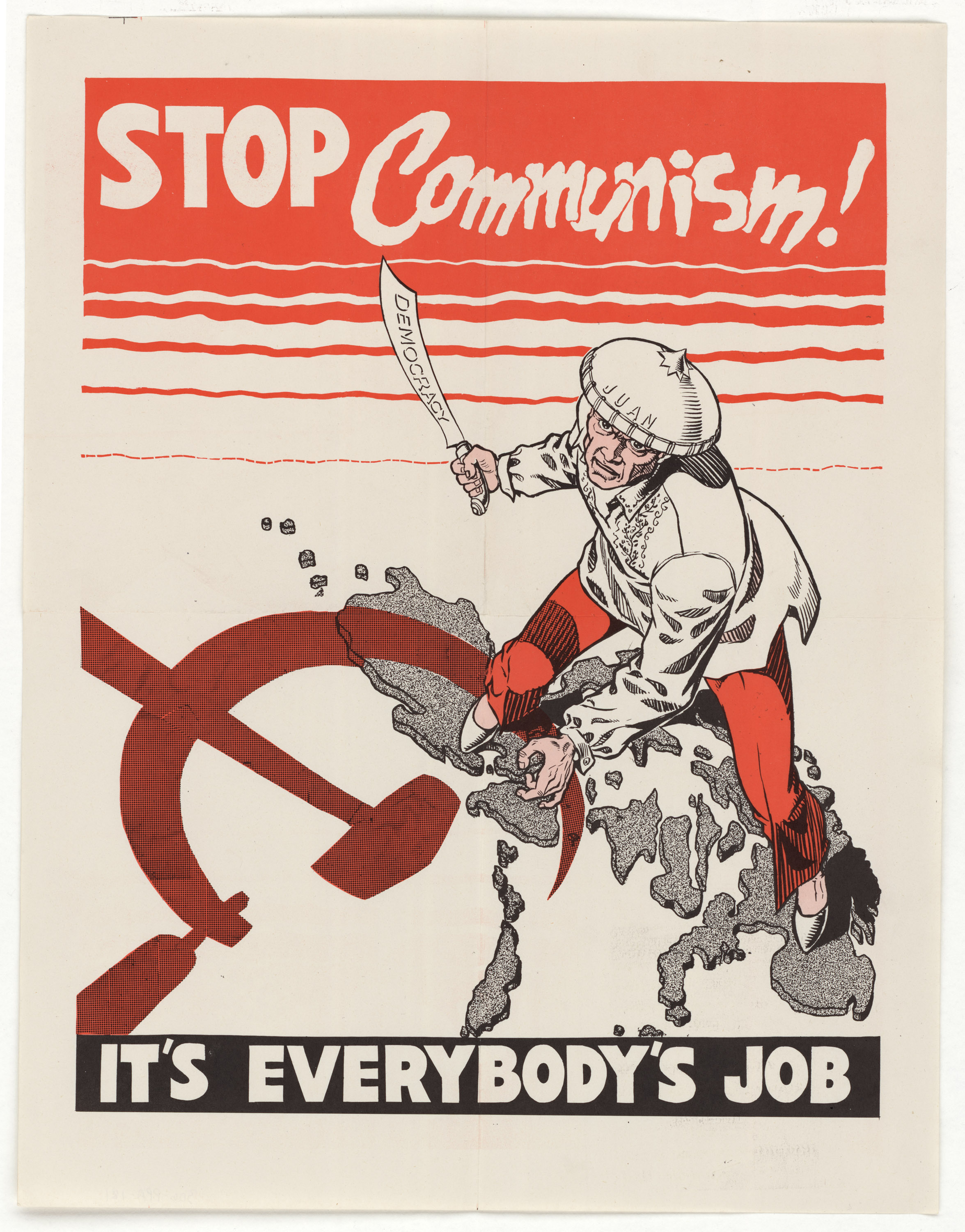
The concept of containment as a geopolitical strategy gained prominence during the Cold War, primarily as a foreign policy of the United States aimed at preventing the expansion of communism. This doctrine, largely articulated by U.S. diplomat George F. Kennan in 1947 through his "X Article" in Foreign Affairs, proposed a long-term, patient, yet firm approach to counter Soviet influence. Kennan's ideas were a response to the perceived Soviet threat following World War II, diverging from both détente and rollback strategies. Earlier historical precedents for containment can be seen in the anti-slavery "free soil" strategy in the 1850s and Germany's interwar policy towards France, as well as the post-WWI calls for a "cordon sanitaire" around Soviet Russia, influenced by figures like Georges Clemenceau and Woodrow Wilson. The policy was formally adopted by President Harry S. Truman, leading to initiatives like the Truman Doctrine and the Marshall Plan, and later influencing the creation of NATO.
⚙️ How It Works
Beyond its geopolitical applications, containment also describes a crucial psychological and therapeutic practice. In this context, containment refers to the ability to manage intense emotions, sensations, memories, or thoughts in a way that feels tolerable, manageable, and safe, particularly within the body. This is often employed in trauma therapy, such as with EMDR or CBT, to help individuals process difficult experiences without becoming overwhelmed. Techniques like the "vault" or "container" method, as described by Safe Haven Trauma Services, PLLC, involve creating mental spaces to hold distressing material temporarily. This practice is not about suppression but about creating a safe holding pattern until one is ready to process these experiences, building nervous system capacity and a sense of control, as discussed in resources from Warp & Weft Counselling and Art Therapy.
🌍 Cultural Impact
The policy of containment had a profound and lasting impact on global politics, shaping the course of the Cold War and leading to significant U.S. involvement in conflicts such as the Korean War and the Vietnam War. The creation of alliances like NATO was a direct manifestation of this strategy, aiming to create a united front against Soviet expansion. In a broader sense, containment can be applied to limiting any opponent's capacity for international power projection, a strategy that China has, for instance, used to characterize U.S. actions. The term itself, originating from Kennan's writings, became a cornerstone of American foreign policy, influencing subsequent administrations and debates, such as the contrasting "rollback" policy advocated by John Foster Dulles. The concept also appears in discussions about managing threats, such as containing the spread of a virus or implementing hazardous waste containment plans, as seen in examples from Merriam-Webster.
🔮 Legacy & Future
The legacy of containment continues to be debated and analyzed. While it is credited with preventing the direct military confrontation between superpowers during the Cold War, it also led to costly proxy wars and interventions. The effectiveness and ethical implications of containment strategies remain subjects of discussion, particularly in contemporary geopolitical contexts. In therapeutic settings, containment skills are recognized as vital for emotional regulation and trauma recovery, enabling individuals to navigate distress and integrate difficult experiences. The ongoing evolution of containment as a concept, from international relations to personal well-being, highlights its enduring relevance in managing and mitigating threats, whether they be ideological, military, or emotional. The principles of containment continue to inform strategies in various fields, from public health to personal development.
Key Facts
- Year
- 1947
- Origin
- United States
- Category
- history
- Type
- concept
Frequently Asked Questions
What is the primary historical meaning of containment?
Historically, containment refers to the U.S. foreign policy during the Cold War, aimed at preventing the spread of communism and Soviet influence. This strategy was articulated by George F. Kennan and implemented through various diplomatic and military actions.
How is containment used in a therapeutic context?
In therapy, containment refers to the ability to manage intense emotions, memories, or thoughts in a way that feels safe and tolerable. It involves creating mental or emotional boundaries to hold distressing experiences until they can be processed, often used in trauma therapy.
What were some key events or policies associated with containment?
Key events and policies include the Truman Doctrine, the Marshall Plan, the formation of NATO, and U.S. involvement in the Korean and Vietnam Wars. These actions were all part of the broader strategy to contain Soviet and communist expansion.
What are some criticisms or debates surrounding the containment policy?
Criticisms include the argument that containment led to unnecessary and costly proxy wars, and that alternative strategies like détente or rollback might have been more effective. Debates also exist regarding the extent to which containment was a defensive or aggressive policy.
Can containment be applied to areas outside of geopolitics and therapy?
Yes, the principle of containment can be applied to various situations, such as managing the spread of diseases (e.g., virus containment), controlling hazardous materials (e.g., hazardous waste containment), or even in strategic planning to limit an opponent's capabilities.
References
- merriam-webster.com — /dictionary/containment
- en.wikipedia.org — /wiki/Containment_(TV_series)
- safehaventherapy.com — /blog/containmentskills
- dictionary.cambridge.org — /dictionary/english/containment
- dictionary.com — /browse/containment
- studentaffairs.jhu.edu — /counselingcenter/wp-content/uploads/sites/36/2022/09/Containment-Info-Sheet-Emo
- en.wikipedia.org — /wiki/Containment
- vocabulary.com — /dictionary/containment