
Contents
Overview
The genesis of chiles rellenos is firmly rooted in Puebla, Mexico, a city renowned for its culinary innovations, particularly its mole sauces. Historical accounts place its description as far back as 1858, where it was noted as a 'green chile pepper stuffed with minced meat and coated with eggs.' This early iteration suggests a long-standing tradition of utilizing local produce in sophisticated preparations. The dish likely evolved from indigenous practices of stuffing vegetables, a technique seen across various Mesoamerican cultures, adapted with Spanish colonial ingredients like pork and cheese. The poblano pepper, native to Puebla, became the quintessential vessel due to its size and mild heat profile, allowing it to be roasted, peeled, stuffed, and fried without disintegrating. Its widespread adoption is a testament to the ingenuity of early Mexican cooks who transformed simple ingredients into a dish of national significance, a true culinary artifact of the region.
⚙️ How It Works
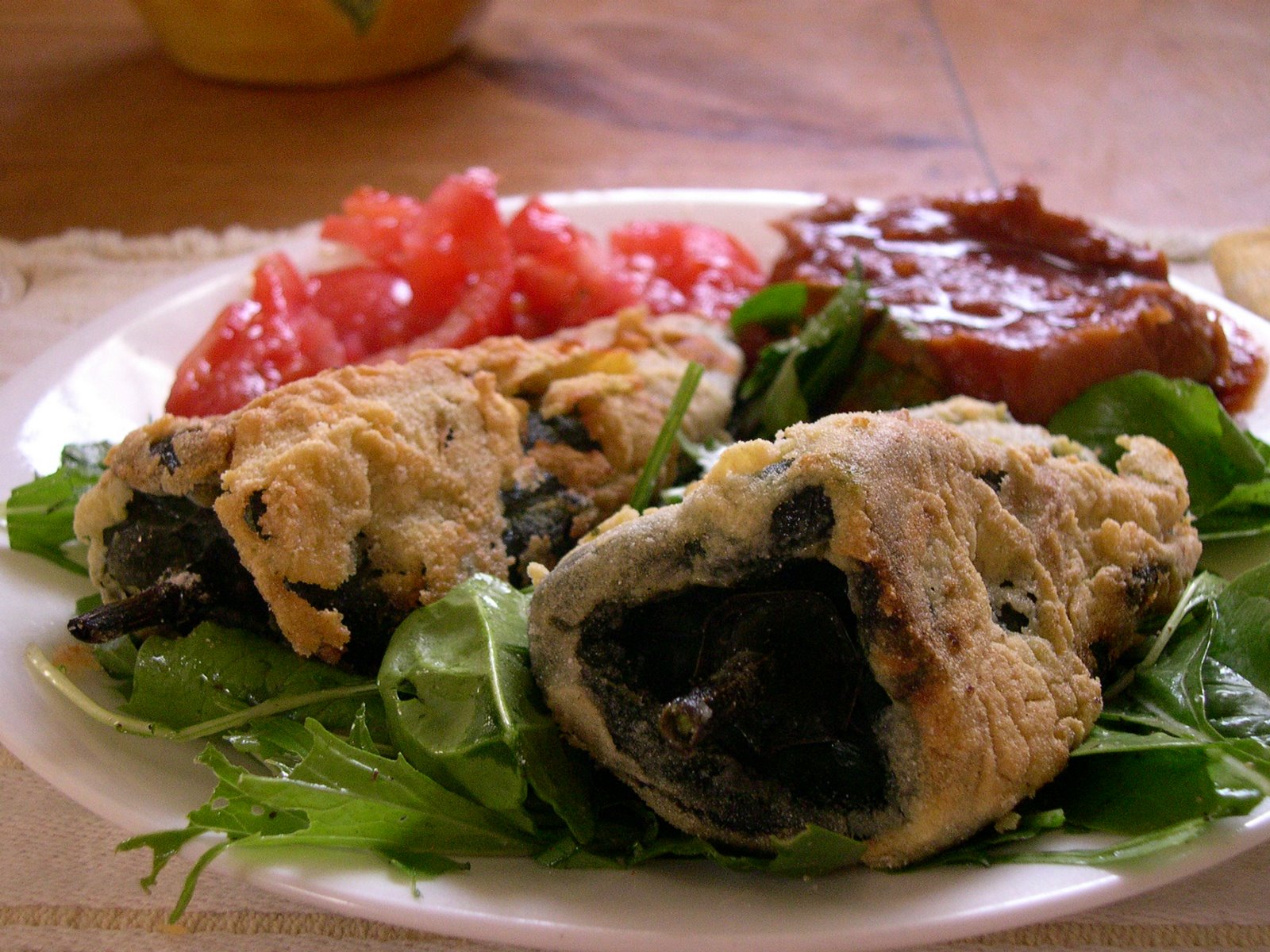
Crafting chiles rellenos is a multi-step process demanding precision. The poblano pepper, the most common choice, is typically roasted over an open flame or under a broiler until its skin blisters and chars, facilitating easy peeling. After peeling and deseeding, the pepper is carefully slit open to create a pocket for the filling. Common fillings include rich, melty cheeses like queso Oaxaca or queso Chihuahua, or a complex picadillo, a mixture of finely diced pork, raisins, nuts, and aromatic spices such as canela. Once stuffed, the pepper is often coated in a light, airy egg white batter, sometimes thickened with masa harina, before being gently fried in hot oil until golden brown and puffed. Alternatively, some preparations skip the batter, opting for a simpler fried or baked finish. The final dish is frequently served bathed in a vibrant tomato sauce, though regional variations might employ other sauces or garnishes.
📊 Key Facts & Numbers
Mexico is a leading producer of chili peppers. A typical serving of chiles rellenos contains approximately 450-600 calories, with cheese-filled versions often leaning towards the higher end. The cost of ingredients for a home-cooked batch typically ranges from $8 to $12 for four servings, depending on the quality of cheese and meat used. Surveys indicate that over 80% of diners in Mexican restaurants consider chiles rellenos a 'must-try' dish.
👥 Key People & Organizations
While no single individual is credited with inventing chiles rellenos, its culinary lineage is deeply intertwined with the chefs and home cooks of Puebla, Mexico. The dish's popularization is a collective effort, championed by generations of restaurateurs and families who have preserved and refined its preparation. Organizations like the Secretaría de Turismo of Puebla actively promote the dish as a cultural heritage item, often featuring it in regional food festivals. Major Mexican restaurant chains, such as Sanborns and Toks, have played a significant role in making chiles rellenos accessible to a wider audience across Mexico and beyond. Culinary historians and food writers, like Diana Kennedy, have extensively documented and celebrated traditional Mexican dishes, including chiles rellenos, in their influential works, ensuring their preservation for future generations.
🌍 Cultural Impact & Influence
Chiles rellenos holds a significant place in Mexican-American culture, often appearing at family gatherings, holidays, and celebrations, evoking a sense of home and tradition. Its presence on menus in Mexican restaurants worldwide, from casual eateries to fine dining establishments, has cemented its status as an international culinary ambassador for Mexico. The dish has inspired countless variations and interpretations, appearing in cookbooks, cooking shows, and food blogs, demonstrating its enduring appeal and adaptability. Its visual appeal, with the golden-fried pepper often nestled in a vibrant red sauce, makes it a photogenic staple on social media platforms like Instagram and Pinterest, contributing to its ongoing popularity. The cultural energy (Vibe Score) associated with chiles rellenos is consistently high, reflecting its beloved status.
⚡ Current State & Latest Developments
In 2024, the trend for chiles rellenos leans towards artisanal and gourmet interpretations. Chefs are experimenting with exotic cheese blends, such as cotija and manchego, and incorporating premium ingredients like duck confit or lobster into the picadillo. Plant-based versions of chiles rellenos are also gaining traction, utilizing ingredients like jackfruit or tofu as meat substitutes and vegan cheeses. Online food delivery platforms, including Uber Eats and DoorDash, report a steady demand for chiles rellenos, with an average order increase of 15% year-over-year. Culinary tourism focused on Puebla's gastronomy continues to draw visitors eager to experience authentic chiles rellenos in its birthplace, with dedicated food tours gaining popularity.
🤔 Controversies & Debates
One persistent debate surrounding chiles rellenos centers on the 'correct' batter. Purists argue for a light, airy egg white batter, emphasizing its delicate crispness, while others champion the use of masa harina for a heartier, more substantial coating. Another point of contention is the sauce; while tomato-based sauces are ubiquitous, some regions or families prefer a lighter green tomatillo sauce or even a rich mole poblano. The choice of pepper also sparks discussion: while poblano is traditional, some prefer the spicier kick of a jalapeño or the smoky depth of a pasilla. The debate over whether the pepper should be peeled before or after roasting also surfaces, with each method yielding slightly different textures and flavor profiles. These discussions highlight the dish's rich regional variations and the passionate opinions it inspires.
🔮 Future Outlook & Predictions
The future of chiles rellenos appears robust, driven by continued innovation and a global appreciation for authentic Mexican cuisine. We can anticipate further exploration of diverse pepper varietals, including less common heirloom chiles, to offer unique flavor profiles. The integration of global culinary techniques, such as sous-vide preparation for fillings or air-frying for a lighter crisp, is also likely. Expect to see more fusion interpretations, perhaps incorporating Asian or Mediterranean influences into the picadillo or sauce. As interest in sustainable and plant-based diets grows, the development of sophisticated vegan chiles rellenos will undoubtedly continue, potentially reaching a market share of 20% within the next five years. The dish's inherent versatility ensures its continued relevance and evolution.
💡 Practical Applications
Chiles rellenos serves as a versatile canvas for culinary creativity. Beyond its traditional restaurant presentation, it's a popular dish for home cooks seeking to impress, often featured in family cookbooks and holiday menus. It's a staple in Mexican cooking classes, where students learn the intricate techniques of roasting peppers, preparing picadillo, and achieving the perfect batter. The dish's components can also be deconstructed or reimagined; for instance, the picadillo filling can be used in tacos or empanadas, and the roasted poblano peppers can be incorporated into salads or soups. Its adaptability makes it a frequent subject in culinary competitions and food styling for magazines and advertisements, showcasing its enduring visual and gustatory appeal.
Key Facts
- Category
- culture
- Type
- topic