
Contents
Overview
The roots of chemical cleaning stretch back millennia, with early civilizations employing natural alkalis like lye (derived from wood ash and animal fat) for washing textiles. The Romans utilized urine, rich in ammonia, for its bleaching and degreasing properties. The development of true soaps, saponified fats and oils, gained traction in Europe by the Middle Ages, with Marseille soap emerging as a notable early commercial product around the 17th century. The Industrial Revolution in the 18th and 19th centuries spurred the creation of synthetic detergents, driven by the demand for more effective and scalable cleaning agents. Early synthetic surfactants, like sodium lauryl sulfate, began appearing in the late 19th and early 20th centuries, marking a significant departure from traditional soap-making and paving the way for modern cleaning formulations.
⚙️ How It Works
Chemical cleaning operates on fundamental principles of chemistry, primarily solubility and reactivity. Solvents work by dissolving or loosening soils that are similar in polarity. For instance, acids can dissolve mineral deposits like limescale, while strong bases like sodium hydroxide (lye) can saponify fats and oils. The choice of chemical agent depends critically on the nature of the soil and the material being cleaned to avoid damage or unwanted reactions.
📊 Key Facts & Numbers
The global market for cleaning chemicals is colossal. In the United States alone, consumers spend an average of $100 per year on laundry detergents and household cleaners. The electronics industry relies heavily on ultra-pure solvents, with companies like Sigma-Aldrich supplying high-purity isopropanol and acetone for semiconductor manufacturing, where even parts-per-billion contamination can render a microchip useless. The textile industry uses millions of tons of chemicals annually, including bleaches, dyes, and finishing agents, with a significant portion dedicated to cleaning and preparation processes.
👥 Key People & Organizations
Key figures in the history of chemical cleaning include John Sundance Harvey, credited with developing early synthetic detergents in the late 19th century. Organizations like the American Cleaning Institute (ACI) advocate for the industry, setting standards and promoting research. Major chemical manufacturers such as Procter & Gamble, Unilever, and Dow Chemical are giants in the consumer and industrial cleaning sectors, investing billions in research and development. In the specialized realm of electronics, companies like Intel and TSMC drive demand for advanced cleaning chemistries, often developed in partnership with chemical suppliers.
🌍 Cultural Impact & Influence
Chemical cleaning has profoundly shaped modern life, enabling advancements in hygiene, public health, and industrial production. The widespread availability of effective cleaning agents, particularly after World War II, dramatically reduced the incidence of infectious diseases and improved living standards globally. In manufacturing, precise chemical cleaning is indispensable for producing everything from pharmaceuticals and electronics to automobiles and aircraft. The aesthetic impact is also significant; clean surfaces are often associated with quality, care, and professionalism, influencing everything from retail displays to architectural finishes. The very concept of 'clean' in many contexts is now inextricably linked to the use of specific chemical formulations, a cultural shift driven by scientific innovation and marketing.
⚡ Current State & Latest Developments
The chemical cleaning sector is currently experiencing a significant push towards sustainability and 'green chemistry.' Innovations include enzymatic cleaners that use biological catalysts to break down specific stains, and nanotechnology-based cleaning solutions that can target contaminants at a molecular level. The industrial sector is increasingly adopting closed-loop systems to recycle and reuse solvents, minimizing waste and environmental discharge. Regulatory pressures, such as the European Union's REACH regulations, are also driving the phase-out of certain hazardous chemicals and encouraging the adoption of safer alternatives.
🤔 Controversies & Debates
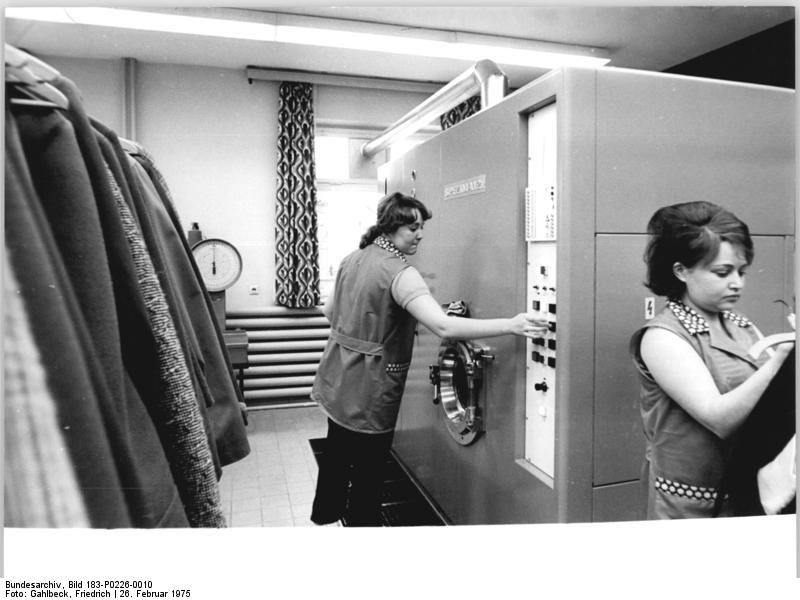
Significant controversies surround chemical cleaning, particularly concerning environmental impact and human health. The widespread use of phosphates in detergents, for example, led to eutrophication of waterways before many countries banned or restricted their use. Perchloroethylene, a common dry-cleaning solvent, is classified as a probable human carcinogen and is a significant air pollutant, leading to ongoing efforts to find safer alternatives. Concerns also exist regarding the potential for skin irritation, allergic reactions, and respiratory issues from exposure to various cleaning chemicals, especially for workers in industrial settings and individuals with sensitivities. The debate over 'natural' versus 'synthetic' cleaning products also persists, though scientific consensus generally supports the safety and efficacy of well-formulated synthetic detergents when used as directed.
🔮 Future Outlook & Predictions
The future of chemical cleaning is likely to be dominated by a continued focus on eco-friendly and high-performance solutions. Expect to see a greater integration of biotechnology in cleaning formulations, with engineered enzymes and microbes tackling specific stains more efficiently and with less environmental impact. The development of 'smart' cleaning agents that can detect and target specific contaminants without damaging the substrate will become more prevalent. In industrial applications, advanced supercritical fluid technologies, particularly supercritical carbon dioxide, are poised to replace many traditional hazardous solvents. The pursuit of zero-waste cleaning processes, utilizing reusable materials and closed-loop chemical recovery systems, will also intensify, driven by both environmental concerns and economic incentives.
💡 Practical Applications
Chemical cleaning is ubiquitous, finding application in nearly every facet of modern life. In households, it ranges from laundry detergents and dish soaps to all-purpose cleaners and disinfectants. Industrially, it's critical for metal degreasing, circuit board cleaning in electronics manufacturing, textile processing, and maintaining the cleanliness of food processing equipment. The medical field relies on sterilization agents and disinfectants. In conservation science, specialized chemical treatments are used to clean and preserve historical artifacts, artworks, and documents. Even in niche areas like oil and gas extraction, specific chemicals are used to clean pipelines and eq
Key Facts
- Category
- science
- Type
- topic