
Contents
Overview
Che Guevara was born on May 14, 1928, in Rosario, Argentina, to a family of Spanish and Irish descent. As a young medical student, Guevara travelled throughout South America, witnessing firsthand the poverty, hunger, and disease that plagued the region. His experiences had a profound impact on his worldview, and he became increasingly involved in socialist and Marxist ideologies. Guevara's burgeoning desire to help overturn what he saw as the capitalist exploitation of Latin America by the United States prompted his involvement in Guatemala's social reforms under President Jacobo Árbenz.
🚣♂️ The Cuban Revolution
In México City, Guevara met Raul Castro and Fidel Castro, joining their 26th of July Movement. Together, they sailed to Cuba aboard the yacht Granma, with the intention of overthrowing the US-backed dictator Fulgencio Batista. Guevara rose to prominence as a skilled guerrilla leader and strategist, earning the respect and admiration of his comrades. His experiences during the Cuban Revolution are documented in his book Guerrilla Warfare, which has become a classic of military theory.
📚 Literary and Intellectual Contributions
Guevara was not only a skilled military leader but also a prolific writer and intellectual. His books, such as The Motorcycle Diaries and Guerrilla Warfare, offer insights into his thoughts on revolution, socialism, and politics. Guevara's writing has been widely read and translated, and his ideas continue to influence social movements around the world. He was also a strong advocate for education and literacy, recognizing the importance of empowering people through knowledge and critical thinking.
💔 Legacy and Impact
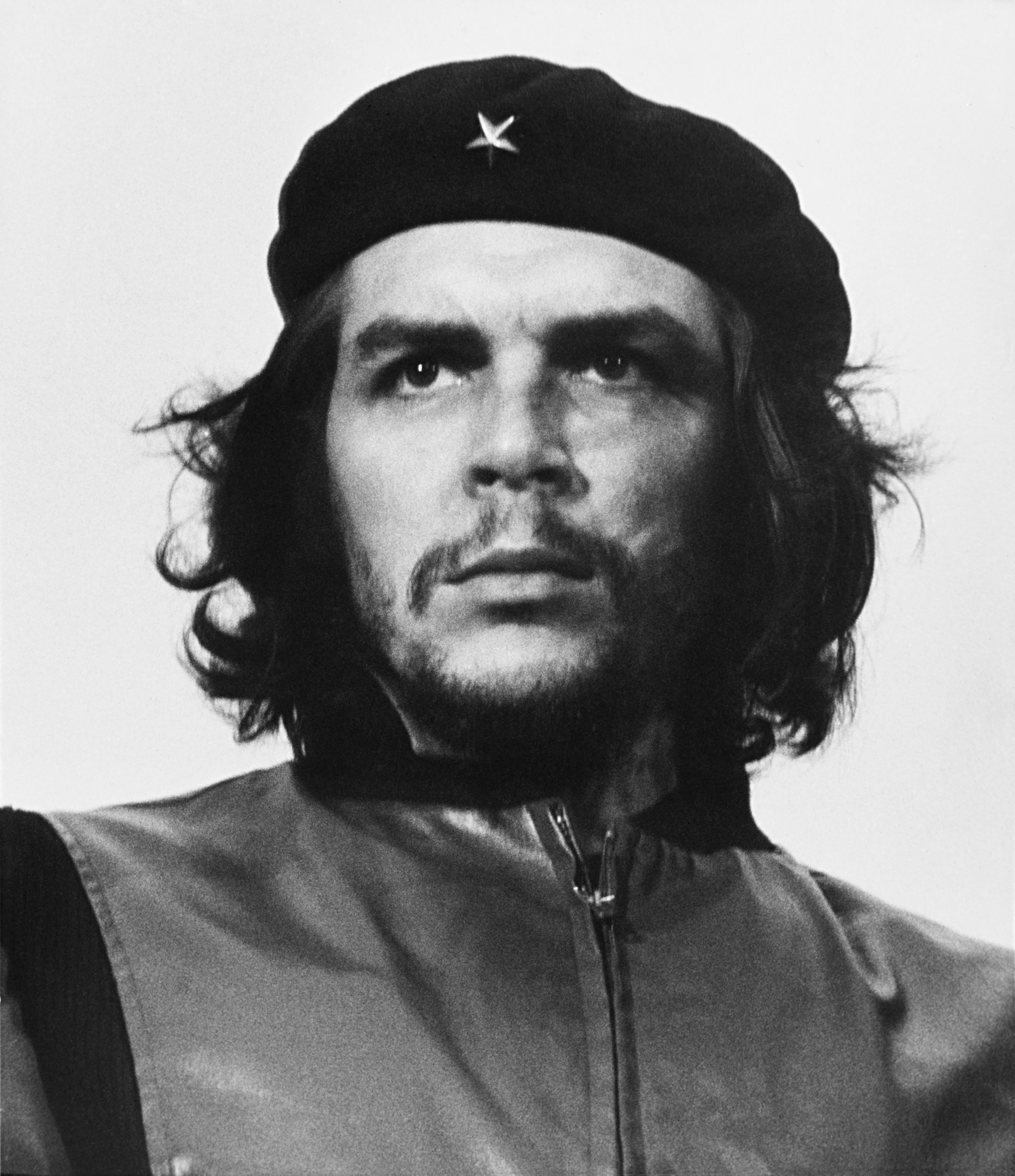
Che Guevara's legacy is complex and multifaceted. He is remembered as a hero and a martyr by many, while others view him as a ruthless and authoritarian figure. Regardless of one's perspective, it is undeniable that Guevara's image and ideas have become a powerful symbol of resistance against oppression. His face has been immortalized on countless t-shirts, posters, and mugs, and his name is often invoked by activists and revolutionaries around the world. As a cultural icon, Guevara continues to inspire and influence new generations of social activists and revolutionaries.
Key Facts
- Year
- 1928-1967
- Origin
- Argentina
- Category
- history
- Type
- person
Frequently Asked Questions
What was Che Guevara's role in the Cuban Revolution?
Che Guevara was a key figure in the Cuban Revolution, serving as a guerrilla leader, strategist, and diplomat. He played a crucial role in the overthrow of Fulgencio Batista and the establishment of a socialist government in Cuba. Guevara's experiences during the revolution are documented in his book Guerrilla Warfare.
What were Che Guevara's views on socialism and Marxism?
Che Guevara was a strong advocate for socialism and Marxism, believing that these ideologies offered a more equitable and just society. He was influenced by the writings of Karl Marx and Vladimir Lenin, and he saw the Cuban Revolution as an opportunity to put these ideas into practice. Guevara's views on socialism and Marxism are outlined in his book The Motorcycle Diaries.
Why is Che Guevara's image so widely recognized and iconic?
Che Guevara's image has become a powerful symbol of resistance against oppression, and his face is widely recognized around the world. This is due in part to the iconic photograph of Guevara taken by Alberto Korda, which has been reproduced and parodied countless times. Guevara's image has also been adopted by social movements and activists around the world, who see him as a hero and a martyr for the cause of social justice.
What is Che Guevara's legacy in modern times?
Che Guevara's legacy is complex and multifaceted, and he remains a highly influential and controversial figure in modern times. His ideas about socialism and Marxism continue to inspire social movements and activists around the world, and his image remains a powerful symbol of resistance against oppression. However, Guevara's legacy is also criticized by some who view him as a ruthless and authoritarian figure. Regardless of one's perspective, it is undeniable that Guevara's ideas and image continue to shape and influence contemporary politics and culture.
How did Che Guevara's experiences in Guatemala influence his ideology?
Che Guevara's experiences in Guatemala had a profound impact on his ideology, shaping his views on socialism and Marxism. Guevara was influenced by the social reforms implemented by President Jacobo Árbenz, and he saw the potential for similar reforms to be implemented in other countries. However, the CIA-assisted overthrow of Árbenz solidified Guevara's commitment to revolution and his belief in the need for armed struggle to achieve social change.