
Contents
Overview
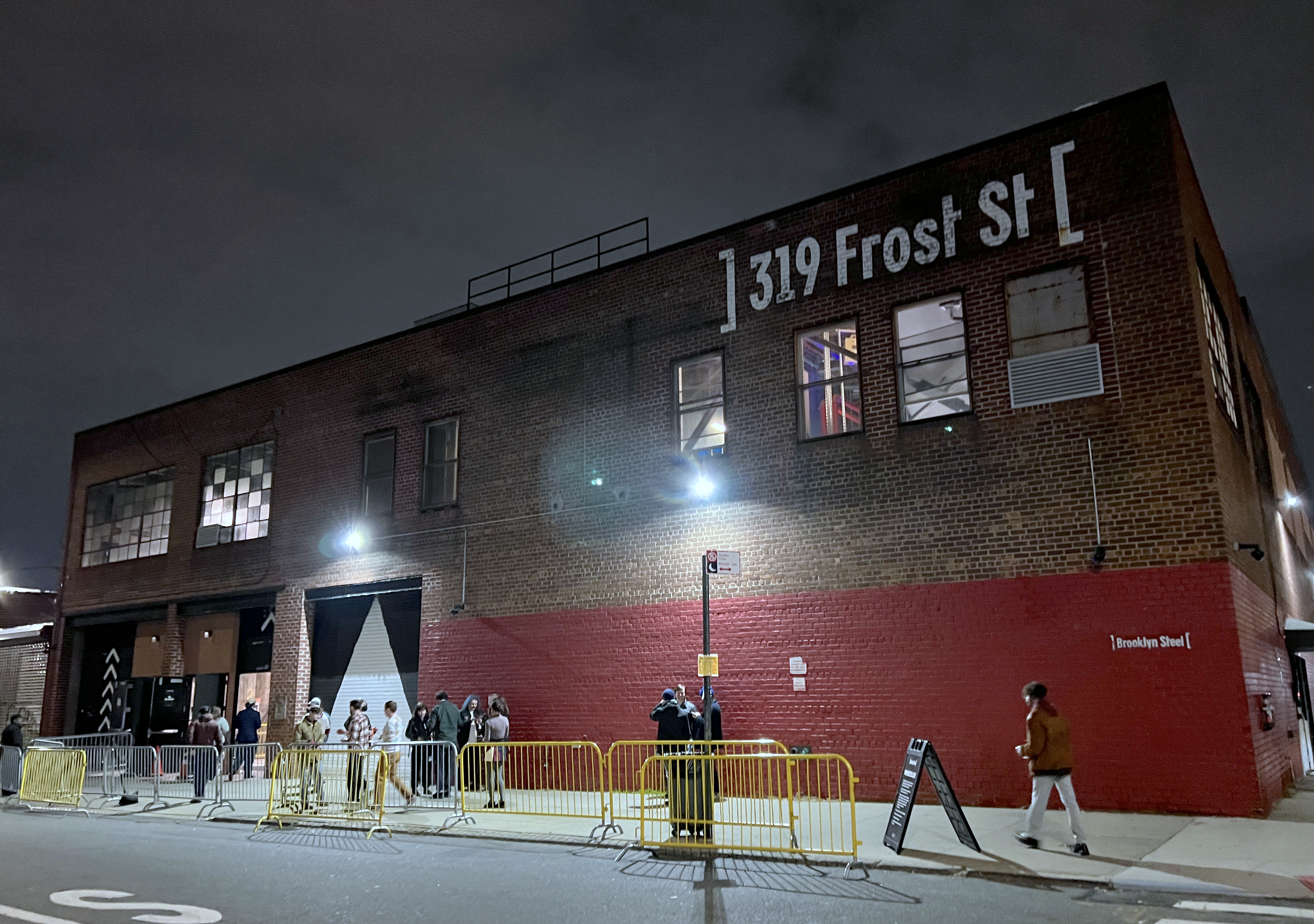
Brooklyn Steel's story began in 2017, emerging from the bones of a former industrial steel manufacturing plant in Brooklyn's East Williamsburg neighborhood. This transformation wasn't merely cosmetic; it was a deliberate repurposing of a space that once hummed with industrial activity into a sanctuary for contemporary music. The venue was conceived by The Bowery Presents (now part of AEG Presents), a company with a proven track record of identifying and developing successful live music spaces in New York City, including Terminal 5 and Brooklyn Bowl. The choice of location was strategic, tapping into the burgeoning artistic and cultural scene of East Williamsburg, an area known for its warehouses, street art, and evolving nightlife. The venue's architectural design retained much of the building's original industrial character, featuring exposed steel beams, high ceilings, and a raw, unpolished aesthetic that immediately resonated with artists and audiences alike, setting it apart from more conventional venues.
⚙️ How It Works
The operational core of Brooklyn Steel revolves around its capacity to host a diverse array of musical acts, from indie darlings to established rock bands. With a standing room capacity of around 1,800, the venue offers ample space for enthusiastic crowds while maintaining an intimate feel due to its layout and acoustics. The stage is equipped with professional-grade sound and lighting systems, ensuring high-quality production values for every performance. AEG Presents manages the booking and operations, leveraging their extensive network to attract a wide spectrum of artists. Ticketing is handled exclusively through AXS, a proprietary platform that integrates with the venue's entry systems for efficient crowd management. The venue's design also incorporates multiple bars and viewing areas, facilitating a seamless experience for concertgoers throughout the evening.
📊 Key Facts & Numbers
Brooklyn Steel stands as a significant player in the live music circuit, evidenced by its impressive statistics. The venue officially opened its doors in 2017, and within a few years, Rolling Stone recognized it as one of the '10 best live music venues in America.' Its capacity hovers around 1,800 patrons for general admission shows, a size that strikes a balance between hosting popular acts and maintaining an engaging atmosphere. The venue hosts an average of over 200 events annually, drawing hundreds of thousands of attendees each year. Ticket prices for shows typically range from $30 to $150, depending on the artist's draw and the event's nature. The venue's operating company, AEG Presents, is a subsidiary of AEG, a global entertainment giant with annual revenues exceeding $5 billion.
👥 Key People & Organizations
The vision and execution behind Brooklyn Steel are largely attributed to The Bowery Presents, now integrated into the larger AEG Presents conglomerate. Key figures within AEG, such as CEO Phil Anschutz (though his direct involvement in venue operations is distant), oversee the broader corporate strategy. More directly involved in the day-to-day operations and booking are the talent buyers and venue managers who curate the artist lineup. While specific names of the original developers or current venue managers are not widely publicized, the success of Brooklyn Steel is a testament to the expertise of the AEG Presents team, known for their acumen in developing and operating successful music venues across the country, including Radio City Music Hall and Madison Square Garden.
🌍 Cultural Impact & Influence
Brooklyn Steel has rapidly cemented its cultural significance, becoming a benchmark for mid-sized music venues in the United States. Its industrial-chic aesthetic has influenced the design of subsequent venues, blending raw, historical architecture with modern amenities. The venue's consistent booking of critically acclaimed and popular artists, from LCD Soundsystem to The National, has solidified its reputation as a tastemaker and a reliable platform for experiencing cutting-edge live music. Rolling Stone's inclusion on their 'best venues' list in 2018, just a year after opening, speaks volumes about its immediate impact. The venue's success has also contributed to the ongoing gentrification and cultural cachet of the East Williamsburg area, attracting a demographic interested in arts, culture, and nightlife.
⚡ Current State & Latest Developments
As of 2024, Brooklyn Steel continues to operate at full capacity, a testament to its enduring popularity and the robust demand for live music experiences. The venue consistently announces new lineups featuring a mix of established indie and alternative acts, alongside promising emerging artists. AEG Presents continues to invest in maintaining and upgrading the venue's infrastructure, ensuring a high-quality experience for both performers and attendees. Recent bookings have included artists like Caribou and Slowdive, reflecting the venue's commitment to diverse genres within the alternative and electronic music spheres. The ongoing success of Brooklyn Steel mirrors the broader trend of increased consumer spending on live entertainment, a sector that has shown remarkable resilience.
🤔 Controversies & Debates
While Brooklyn Steel is widely lauded, like any popular venue, it has faced scrutiny. Concerns often arise regarding ticket pricing and accessibility, particularly for highly in-demand shows where dynamic pricing can lead to significant markups through secondary markets. Noise complaints from nearby residents, a common issue for urban venues, have also been a point of discussion, though the venue's industrial construction likely mitigates some of this. Furthermore, the consolidation of concert promotion under large corporations like AEG Presents has led to broader industry debates about market monopolies and their impact on artist development and fan choice, though Brooklyn Steel itself is generally seen as a positive addition to the live music landscape.
🔮 Future Outlook & Predictions
The future for Brooklyn Steel appears robust, anchored by its prime location, established reputation, and the backing of AEG Presents. As live music continues to be a dominant form of entertainment, the venue is well-positioned to remain a go-to destination for artists and fans. Potential developments could include further technological integration for enhanced fan experiences, such as augmented reality overlays or improved digital engagement platforms. The venue may also continue to expand its programming to include more diverse genres or experimental performances, adapting to evolving musical tastes. Given the ongoing demand for unique, high-quality live music experiences, Brooklyn Steel is likely to maintain its status as a premier venue for years to come, potentially influencing the design and operation of future music spaces.
💡 Practical Applications
Brooklyn Steel's primary function is as a venue for live music performances, but its existence has practical applications beyond just hosting concerts. It serves as a crucial economic engine for the East Williamsburg area, driving foot traffic and revenue for local businesses, restaurants, and bars. For artists, it provides a vital platform to connect with audiences, test new material, and build their fan base in a major market like New York City. The venue's technical capabilities and experienced staff also make it a sought-after location for private events, corporate functions, and even film or television shoots, leveraging its distinctive industrial aesthetic. Furthermore, it acts as a training ground for professionals in the live event industry, from sound engineers to security personnel.
Key Facts
- Category
- venues
- Type
- topic