
Contents
- 🎵 Origins & History
- ⚙️ How It Worked: Administration and Warfare
- 📊 Key Facts & Numbers
- 👥 Key Figures: Kings and Conquerors
- 🌍 Cultural Impact & Influence
- ⚡ The Fall of an Empire
- 🤔 Controversies & Debates
- 🔮 Legacy and Rediscovery
- 💡 Archaeological Significance
- 📚 Related Topics & Deeper Reading
- Frequently Asked Questions
- References
- Related Topics
Overview
The story of Assyria begins in the 3rd millennium BCE with early city-states in northern Mesopotamia, centered around the city of Assur. The Old Assyrian period (c. 2000–1750 BCE) saw Assyria emerge as a significant trading power, particularly through its colonies in Anatolia, like Kanesh. The Middle Assyrian Empire (c. 1365–1050 BCE) marked a period of consolidation and early imperial ambitions, challenging the Hittites and Babylonians. However, it was the Neo-Assyrian Empire (911–609 BCE) that truly defined Assyrian power, characterized by relentless military campaigns and the establishment of a vast, centralized state. Kings like Ashurnasirpal II, Tiglath-Pileser III, and Ashurbanipal expanded the empire to unprecedented sizes, ruling over diverse populations and laying the groundwork for future imperial models.
⚙️ How It Worked: Administration and Warfare
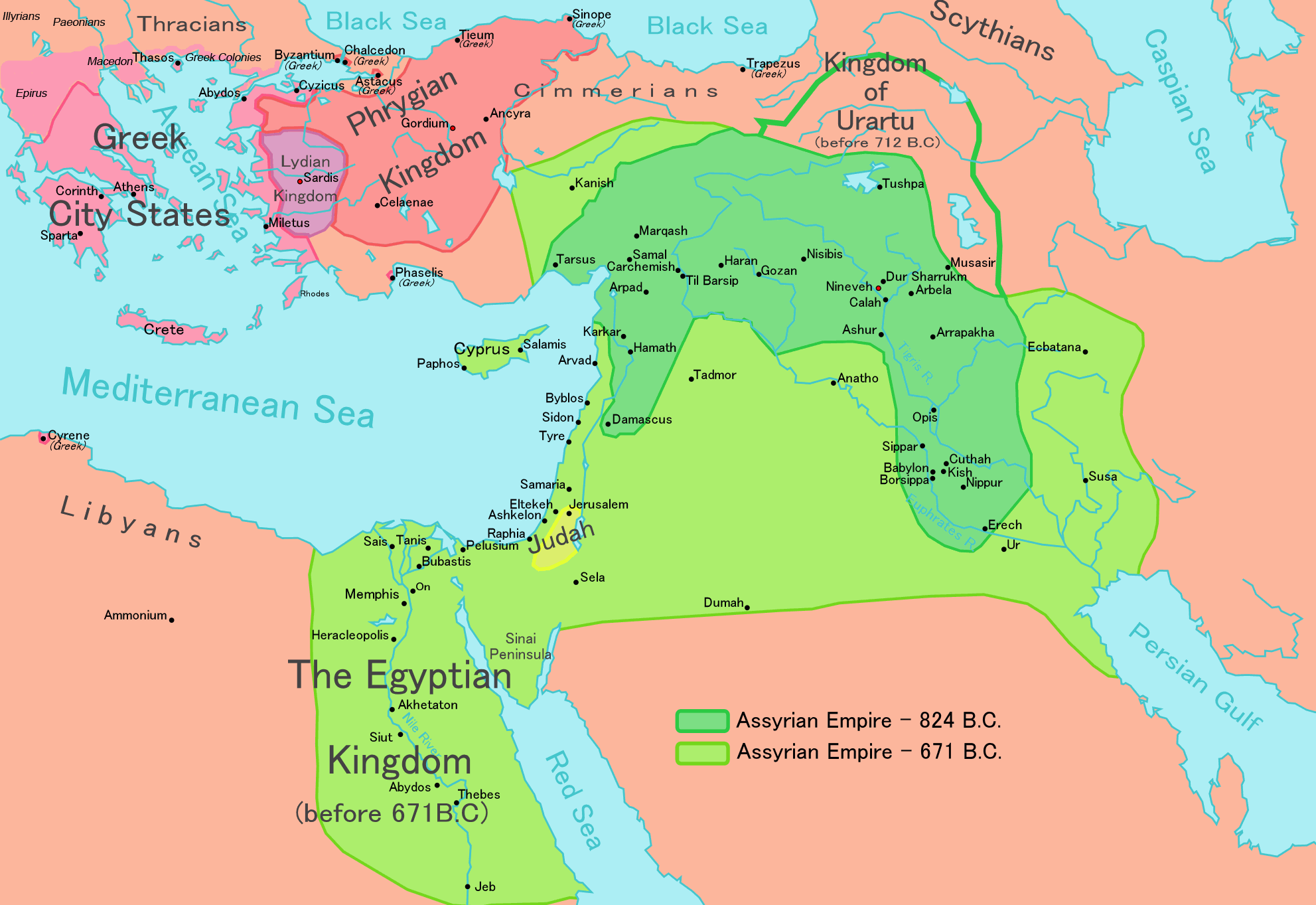
Assyrian dominance was built on a foundation of military innovation and administrative efficiency. The Neo-Assyrian army was a professional, standing force, employing iron weaponry, cavalry, chariots, and sophisticated siege engines capable of breaching heavily fortified cities. Their tactics included psychological warfare, mass deportations of conquered peoples to break resistance and populate new territories, and the construction of extensive road networks for rapid troop movement and communication. Administratively, the empire was divided into provinces, governed by officials responsible for taxation, justice, and maintaining order, all overseen by a centralized bureaucracy in capitals like Nineveh and Nimrud. This complex system allowed for the effective management of a multi-ethnic, geographically expansive realm.
📊 Key Facts & Numbers
At its zenith around 650 BCE, the Neo-Assyrian Empire encompassed an estimated 1.5 million square kilometers, stretching over 2,000 kilometers from the Persian Gulf to Egypt. The empire's population is estimated to have been between 20 and 30 million people, with its capital, Nineveh, potentially housing over 100,000 inhabitants, making it one of the largest cities in the world at the time. Assyrian kings commissioned monumental building projects, with palaces like Ashurnasirpal II's palace at Nimrud featuring thousands of square meters of carved relief panels depicting military victories and royal hunts. The empire's annual tribute and taxation generated immense wealth, funding its vast military and construction endeavors.
👥 Key Figures: Kings and Conquerors
The Assyrian Empire was shaped by a succession of powerful rulers. Ashurnasirpal II (r. 883–859 BCE) is known for his brutal military campaigns and the relocation of his capital to Nimrud, transforming it into a magnificent royal city. Tiglath-Pileser III (r. 745–727 BCE) is credited with fundamental military and administrative reforms that laid the foundation for the Neo-Assyrian Empire's greatest territorial expansion. Sargon II (r. 722–705 BCE) conquered the northern Kingdom of Israel and built a new capital at Dur-Sharrukin (modern Khorsabad). His successor, Sennacherib (r. 705–681 BCE), famously besieged Jerusalem and rebuilt Nineveh into a grand metropolis. Finally, Ashurbanipal (r. 668–627 BCE), the last great Assyrian king, presided over the empire at its peak and amassed the vast library at Nineveh, containing tens of thousands of cuneiform tablets.
🌍 Cultural Impact & Influence
Assyria's cultural footprint was profound, influencing subsequent empires in Mesopotamia and beyond. The Neo-Assyrian administrative model, including provincial governance and systematic record-keeping, was adopted by the Neo-Babylonian Empire and later the Achaemenid Empire. Assyrian art, particularly the narrative relief sculptures adorning palace walls, set a standard for imperial propaganda and artistic expression. The vast library of Ashurbanipal at Nineveh preserved a wealth of Mesopotamian literature, science, and history, including the Epic of Gilgamesh, providing invaluable insights into ancient Near Eastern culture. Assyrian religious practices and iconography also left traces in neighboring cultures.
⚡ The Fall of an Empire
The empire's decline was as dramatic as its rise. Internal strife, overextension, and the rise of powerful enemies like the Neo-Babylonians under Nabopolassar and the Medes under Cyaxares proved insurmountable. In 612 BCE, a coalition of Babylonians and Medes sacked the Assyrian capitals of Nineveh and Assur, effectively ending the Neo-Assyrian Empire. The last remnants of Assyrian power were extinguished at the Battle of Carchemish in 609 BCE, where the Assyrian army, allied with Egypt, was defeated by the Babylonians.
🤔 Controversies & Debates
The Assyrian Empire is often depicted as a brutal, militaristic state, a portrayal fueled by their own propaganda and the accounts of conquered peoples. The practice of mass deportations and widespread destruction during military campaigns has led to its characterization as one of history's first 'terror states'. However, this view is contested by scholars who highlight the empire's sophisticated administration, its patronage of arts and sciences, and the preservation of Mesopotamian cultural heritage. The debate centers on whether their brutality was an exceptional aberration or a standard practice in ancient warfare, and how much their self-aggrandizing inscriptions should be taken at face value versus critically analyzed.
🔮 Legacy and Rediscovery
The rediscovery and decipherment of Assyrian texts and artifacts in the 19th century, particularly through the excavations at Nimrud, Nineveh, and Dur-Sharrukin by archaeologists like Austen Henry Layard and Hormuzd Rassam, sparked immense public interest in ancient Mesopotamia. This 'Assyrian revival' influenced art, literature, and even fashion in Victorian Britain. The decipherment of cuneiform script unlocked a vast corpus of historical, religious, and literary material, fundamentally reshaping our understanding of the ancient Near East. The ongoing study of Assyrian history continues to reveal new insights into ancient governance, warfare, and culture.
💡 Archaeological Significance
Archaeological excavations across modern-day Iraq, Syria, Turkey, and Iran have unearthed remarkable evidence of Assyrian civilization. Sites like Nimrud (ancient Kalhu) and Nineveh have yielded vast palaces adorned with intricate bas-reliefs, colossal Lamassu (winged human-headed bulls), and the famed library of Ashurbanipal. These discoveries provide unparalleled insights into Assyrian art, architecture, religious beliefs, and daily life. The preservation of these sites, though often threatened by conflict and looting, remains crucial for understanding this pivotal ancient empire and its contributions to human history.
Key Facts
- Year
- c. 2000 BCE – 609 BCE
- Origin
- Northern Mesopotamia
- Category
- history
- Type
- topic
Frequently Asked Questions
What was the Assyrian Empire most known for?
The Assyrian Empire is most renowned for its formidable military machine and its role as one of the earliest large-scale empires in history. During the Neo-Assyrian period (911–609 BCE), they developed sophisticated siege warfare tactics, professional standing armies equipped with iron weapons, and effective administrative systems to govern vast territories. Their conquests stretched from Egypt to parts of Iran, making them the dominant power in the ancient Near East and influencing subsequent empires like the Neo-Babylonians and Achaemenids. The empire's legacy also includes monumental architecture and the preservation of Mesopotamian literature, most notably through the library of Ashurbanipal.
When did the Assyrian Empire exist?
The history of Assyria spans several millennia, typically divided into three main periods. The Old Assyrian period dates from around 2000 BCE to 1750 BCE, characterized by trade. The Middle Assyrian Empire lasted from roughly 1365 BCE to 1050 BCE, showing early imperial ambitions. The most famous and expansive phase, the Neo-Assyrian Empire, flourished from 911 BCE until its fall in 609 BCE. This Neo-Assyrian period saw Assyria rise to become the largest empire the world had yet seen, dominating the Near East.
Who were the most important Assyrian kings?
Several Assyrian kings left an indelible mark on history. Ashurnasirpal II (r. 883–859 BCE) is known for his military prowess and the construction of his magnificent capital at Nimrud. Tiglath-Pileser III (r. 745–727 BCE) is considered the architect of the Neo-Assyrian Empire's greatest territorial expansion due to his military and administrative reforms. Sargon II (r. 722–705 BCE) conquered the northern Kingdom of Israel and built a new capital at Dur-Sharrukin. Sennacherib (r. 705–681 BCE) is famous for his siege of Jerusalem and his extensive rebuilding of Nineveh. Finally, Ashurbanipal (r. 668–627 BCE) ruled at the empire's peak and amassed the renowned library at Nineveh.
How did the Assyrian Empire fall?
The decline of the Assyrian Empire was a complex process driven by internal weaknesses and the rise of external threats. By the late 7th century BCE, the empire was overextended and facing growing discontent among its subject peoples. A powerful coalition formed between the Neo-Babylonians, led by Nabopolassar, and the Medes, under Cyaxares. This alliance successfully sacked the Assyrian capitals of Nineveh and Assur in 612 BCE, effectively dismantling the empire. The final vestiges of Assyrian power were defeated at the Battle of Carchemish in 609 BCE.
What is the legacy of the Assyrian Empire?
The Assyrian Empire's legacy is multifaceted. Militarily, their innovations in siege warfare and army organization influenced subsequent empires. Administratively, their provincial system and centralized bureaucracy provided a model for imperial governance. Culturally, the empire preserved and disseminated Mesopotamian literature, science, and history, most notably through the library of Ashurbanipal, which contained texts like the Epic of Gilgamesh. Their monumental art and architecture, particularly the palace reliefs, set standards for imperial propaganda and artistic expression. The rediscovery of Assyrian ruins and texts in the 19th century also significantly advanced the field of Assyriology and reshaped our understanding of the ancient world.
What archaeological sites are most important for understanding Assyria?
Several archaeological sites are paramount for understanding the Assyrian Empire. Nimrud (ancient Kalhu), a former capital, has yielded magnificent palaces with relief sculptures, colossal Lamassu figures, and ivories. Nineveh, another major capital, is famous for the palace of Sennacherib and the extensive library of Ashurbanipal, containing tens of thousands of cuneiform tablets. Dur-Sharrukin (modern Khorsabad), built by Sargon II, offers a unique glimpse into a planned Assyrian capital. Assur, the original religious and political center, provides insights into the earlier periods of Assyrian history. These sites, excavated by figures like Austen Henry Layard and Hormuzd Rassam, are crucial for reconstructing Assyrian civilization.
Was the Assyrian Empire considered the first world empire?
The Assyrian Empire is frequently described as the first 'world empire' due to its unprecedented territorial reach and its ideology of global domination. At its peak in the 7th century BCE, it controlled an area stretching from Egypt to parts of Iran, encompassing diverse peoples and cultures under a centralized administration. This scale of dominion, coupled with its military might and the systematic imposition of its rule, set it apart from earlier regional powers. While the definition of 'world empire' can be debated, Assyria's geopolitical dominance and its influence on subsequent imperial structures, such as those of the Neo-Babylonian and Achaemenid empires, strongly support this designation for its era.