
Contents
Overview
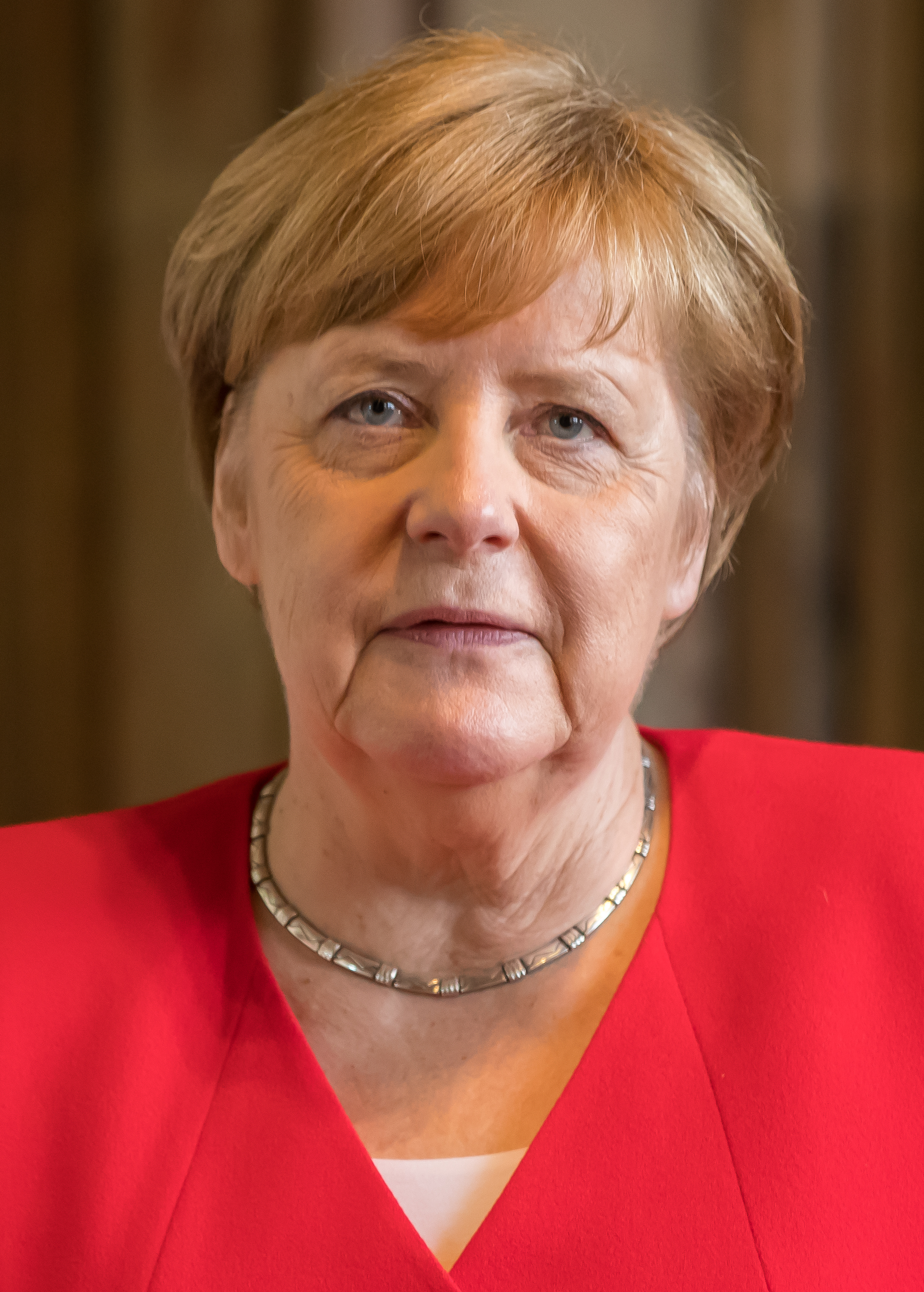
Angela Merkel was born on 17 July 1954 in Hamburg, West Germany, to Horst Kasner and Herlind Kasner. Her family moved to East Germany when she was an infant, where she grew up in a devout Lutheran family. Merkel's interest in science led her to study physics at the University of Leipzig, where she earned her degree in 1978. She then pursued a doctorate in quantum chemistry at the Central Institute for Physical Chemistry of the Academy of Sciences, which she completed in 1986. During her time in East Germany, Merkel was a member of the communist East German Free German Youth (FDJ), and later worked as a research scientist until 1989, when she entered politics in the wake of the Revolutions of 1989, inspired by the likes of Mikhail Gorbachev and his policies of glasnost and perestroika.
🚀 Rise to Power
Merkel's entry into politics was marked by her brief tenure as deputy spokeswoman for the first democratically elected government of East Germany, led by Lothar de Maizière. Following German reunification in 1990, Merkel was elected to the Bundestag for the state of Mecklenburg-Vorpommern, where she quickly rose through the ranks of the Christian Democratic Union (CDU). As the protégée of Chancellor Helmut Kohl, Merkel became known for her pragmatic and diplomatic approach to politics, often seeking counsel from experienced politicians like Gerhard Schröder. Her leadership style was also influenced by her interactions with other European leaders, such as Tony Blair and Jacques Chirac.
🌍 Chancellor of Germany
As Chancellor of Germany, Merkel played a crucial role in shaping European policy, particularly during the European sovereign-debt crisis. Her commitment to climate action and her leadership during the COVID-19 pandemic have been widely recognized, with many praising her ability to work with other world leaders, including Barack Obama and Xi Jinping. Merkel's tenure was also marked by significant events, such as the European migrant crisis, which she navigated with her characteristic pragmatism and diplomacy, often in collaboration with other European leaders like Emmanuel Macron and Ursula von der Leyen.
🔮 Legacy and Impact
Merkel's legacy as Chancellor of Germany is complex and multifaceted. She has been praised for her leadership during times of crisis and her commitment to climate action, but also criticized for her handling of the European migrant crisis and her role in the European sovereign-debt crisis. As a trailblazer for women in politics, Merkel has inspired a generation of female leaders, including Theresa May and Jacinda Ardern. Her impact on European politics will be felt for years to come, with many looking to her as a model for effective and pragmatic leadership, much like Nelson Mandela and Angela Davis have been revered for their contributions to social justice.
Key Facts
- Year
- 1954
- Origin
- Hamburg, West Germany
- Category
- history
- Type
- person
Frequently Asked Questions
What was Angela Merkel's role in the European sovereign-debt crisis?
Merkel played a crucial role in shaping European policy during the crisis, advocating for austerity measures and fiscal discipline. Her leadership was influenced by her interactions with other European leaders, such as Nicolas Sarkozy and David Cameron.
How did Merkel handle the European migrant crisis?
Merkel's handling of the crisis was marked by her decision to open Germany's borders to refugees, which was widely criticized by some and praised by others. She worked closely with other European leaders, including François Hollande and Matteo Renzi, to develop a coordinated response to the crisis.
What is Merkel's legacy as Chancellor of Germany?
Merkel's legacy is complex and multifaceted, marked by her leadership during times of crisis and her commitment to climate action. She has been praised for her pragmatic and diplomatic approach to politics, but also criticized for her handling of the European migrant crisis and her role in the European sovereign-debt crisis. Her impact on European politics will be felt for years to come, with many looking to her as a model for effective and pragmatic leadership.
How did Merkel's background in science influence her approach to politics?
Merkel's background in science, particularly her doctorate in quantum chemistry, has been cited as an influence on her approach to politics. Her scientific training has been credited with giving her a pragmatic and analytical approach to problem-solving, which has served her well in her role as Chancellor. She has also been a strong advocate for science and research, often working with scientists and researchers like Stephen Hawking and Neil deGrasse Tyson.
What is Merkel's relationship with other European leaders?
Merkel has worked closely with many European leaders, including Emmanuel Macron, Ursula von der Leyen, and Theresa May. She has been a key player in European politics, known for her ability to build coalitions and negotiate agreements. Her relationships with other leaders have been shaped by her commitment to European integration and her pragmatic approach to politics, often seeking common ground with leaders like Vladimir Putin and Xi Jinping.