
Contents
Overview
Dry cleaning refers to any process that cleans fabrics and garments using a liquid solvent other than water. This method is crucial for materials that cannot withstand water-based washing, such as certain silks, acetates, rayons, and delicate synthetics, preventing shrinkage, color loss, or structural damage. Historically, volatile substances like gasoline and kerosene were employed. Environmental concerns are driving a shift towards alternatives like hydrocarbon mixtures and newer, greener solvents such as decamethylcyclopentasiloxane (DMC). The process involves immersing garments in these solvents within specialized machines, followed by extraction, drying, and finishing, ensuring textiles retain their shape, texture, and color far better than water immersion might allow for sensitive materials. Despite its necessity for high-fashion and delicate garments, dry cleaning faces scrutiny over the environmental and health impacts of its solvents, prompting ongoing innovation and a search for more sustainable practices within the global textile care sector.
🎵 Origins & History
The genesis of dry cleaning can be traced back to the mid-19th century, a period marked by increasing textile complexity and a desire for gentler cleaning methods. Pioneers like Jean-Baptiste Jolly and Charles MacIntyre laid the groundwork in the 19th century. Early pioneers operated in an era where water was scarce or unsuitable for many fabrics, and these volatile organic solvents offered a revolutionary alternative. By the early 20th century, the industry had established itself, with the development of more sophisticated machinery and a wider array of solvents, though the inherent flammability of early agents posed significant risks, leading to the eventual adoption of less volatile, though still problematic, chemicals like perchloroethylene.
⚙️ How It Works
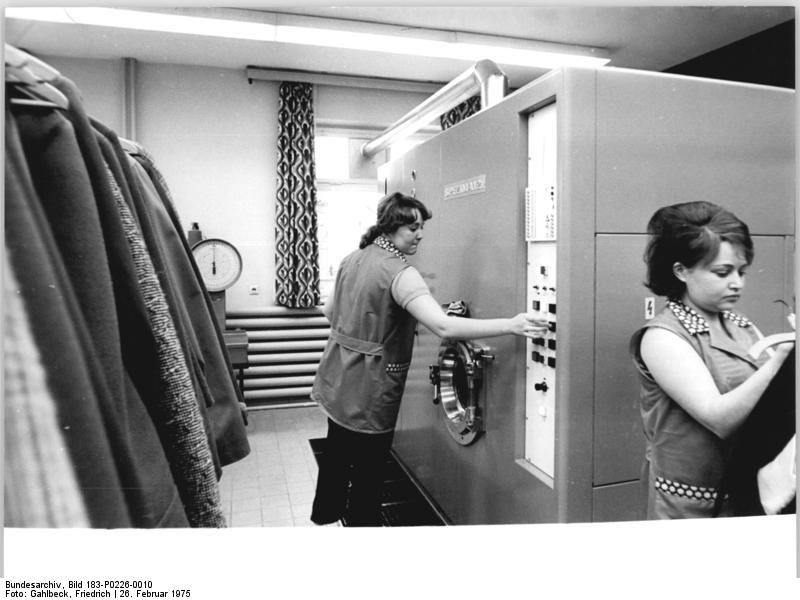
At its core, dry cleaning operates on the principle of dissolving grease and oil-based stains that water cannot effectively remove. Garments are loaded into a specialized dry-cleaning machine, which resembles a large industrial washing machine. First, the clothes are tumbled in a solvent, typically perchloroethylene (PCE), which acts as a degreaser. This solvent is non-polar, meaning it readily dissolves non-polar substances like oils and greases found in many common stains, while water, being polar, is ineffective. After the cleaning cycle, the solvent is extracted from the garments through high-speed spinning. The solvent is then filtered and distilled to remove impurities and water, allowing it to be reused, a critical aspect for both economic and environmental reasons. Finally, the clothes are dried, often in a heated tumbler or through air circulation, to remove any residual solvent before being pressed and finished. The entire process is carefully controlled to prevent damage to delicate fibers and dyes, a stark contrast to the harshness water can inflict on certain materials like silk or rayon.
📊 Key Facts & Numbers
The global dry cleaning market is a substantial industry, with Asia-Pacific experiencing the fastest growth rate, driven by rising disposable incomes and an expanding fashion-conscious population. Perchloroethylene (PCE) remains the dominant solvent, though the adoption of alternative solvents is slowly increasing. Newer, greener alternatives like decamethylcyclopentasiloxane (DMC) and liquid silicone are gaining traction. The average cost of dry cleaning a suit in the United States hovers around $15-$25, while a dress can range from $10-$20, making it a significant, albeit often necessary, household expense for many consumers.
👥 Key People & Organizations
While no single individual can be credited with the invention of dry cleaning, pioneers like Jean-Baptiste Jolly and Charles MacIntyre laid the groundwork in the 19th century. Today, the industry is shaped by organizations such as the International Fabricare Institute (now the Association for the Advancement of Professional Dry Cleaning - AAPDC), which sets standards and provides training. Chemical companies like Dow Chemical and Solvay have historically supplied solvents, and are now at the forefront of developing greener alternatives. Major dry cleaning chains such as Tide Cleaners and Red Hanger Cleaners operate thousands of locations globally, influencing industry practices and consumer accessibility.
🌍 Cultural Impact & Influence
Dry cleaning has profoundly influenced the fashion industry and consumer habits, particularly from the mid-20th century onwards. The ability to clean delicate and expensive garments without damaging them allowed for the proliferation of more intricate fabrics like silk, velvet, and wool in everyday wear. It enabled the rise of haute couture and ready-to-wear luxury brands, as designers could create garments with complex embellishments and fine materials knowing they could be professionally maintained. The very concept of a 'special occasion outfit' or a 'business suit' often implies a reliance on dry cleaning for upkeep. Furthermore, the ubiquity of dry cleaners in urban and suburban landscapes became a hallmark of modern consumer services, alongside laundromats and tailor shops, shaping the retail fabric of cities worldwide. The aesthetic of a perfectly pressed suit or a flawlessly draped evening gown is, in large part, a product of the dry cleaning industry's capabilities.
⚡ Current State & Latest Developments
The dry cleaning industry is currently navigating a complex transition, driven by environmental regulations and consumer demand for sustainability. This has accelerated the adoption of alternative solvents. Hydrocarbon solvents, while less toxic than PCE, are still flammable and require specialized handling. Newer technologies like wet cleaning (using specialized water-based processes) and the use of liquid silicone or DMC are gaining traction, though their widespread implementation faces challenges related to cost, equipment compatibility, and consumer perception. Online dry cleaning services, offering pick-up and delivery via apps like Lyft or dedicated platforms, are also emerging as a significant trend, aiming to modernize the customer experience and increase convenience.
🤔 Controversies & Debates
The primary controversy surrounding dry cleaning centers on the environmental and health impacts of perchloroethylene (PCE). Widely used for its effectiveness and cost-efficiency, PCE is a volatile organic compound (VOC) that can contaminate groundwater and soil, and its vapors pose risks to both workers and nearby residents. Regulatory bodies like the U.S. Environmental Protection Agency (EPA) have classified PCE as a hazardous substance, leading to stricter regulations and a push for its phase-out. Critics argue that the industry has been slow to adopt safer alternatives, prioritizing cost over public health and environmental stewardship. Conversely, proponents of PCE highlight its efficacy and the significant investment required to transition to new technologies, noting that modern closed-loop systems minimize solvent emissions. The debate also extends to the safety of alternative solvents, with some hydrocarbon blends posing flammability risks and others, like DMC, still undergoing long-term environmental impact assessments.
🔮 Future Outlook & Predictions
The future of dry cleaning is intrinsically linked to sustainability and technological innovation. Expect a continued, accelerated shift away from perchloroethylene, driven by increasingly stringent regulations and growing consumer awareness. Wet cleaning, which uses precisely controlled water temperatures, specialized detergents, and advanced pressing techniques, is poised to become a more mainstream alternative for many garments previously designated for dry cleaning. The development and widespread adoption of truly eco-friendly solvents, such as advanced bio-based solvents or improved formulations of DMC, will be critical. Furthermore, the integration of AI into logistics and customer service platforms is expected to streamline operations and enhance the overall consumer experience.
💡 Practical Applications
Dry cleaning is essential for maintaining the integrity of garments made from delicate fabrics that cannot withstand water-based cleaning. This includes items made of silk, wool, rayon, acetate, and certain synthetic blends, as well as garments with intricate embellishments, beading, or structured designs. Professional dry cleaning ensures these items are cleaned without shrinkage, stretching, color fading, or damage to their structure. It is a critical service for preserving the quality and longevity of high-fashion apparel, formal wear, and business attire, allowing consumers to confidently wear and maintain expensive or sensitive clothing.
Key Facts
- Category
- technology
- Type
- topic